"Trump Bucks" World Liberty Financial to release their own stablecoin USD1 on ETH and BSC
Medium •
Revision history
6 recorded changes
Want your article here?
Promote with Leviathan News6 recorded changes
Want your article here?
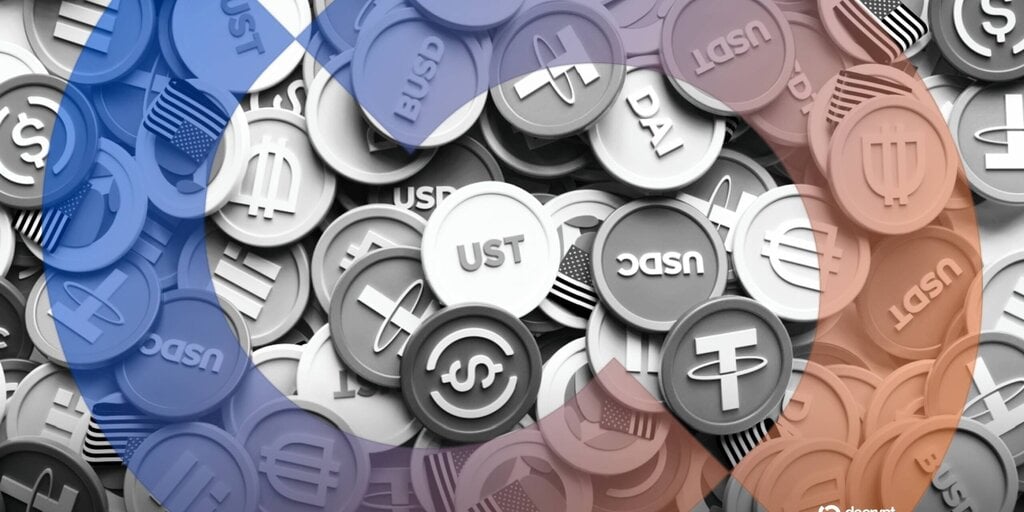
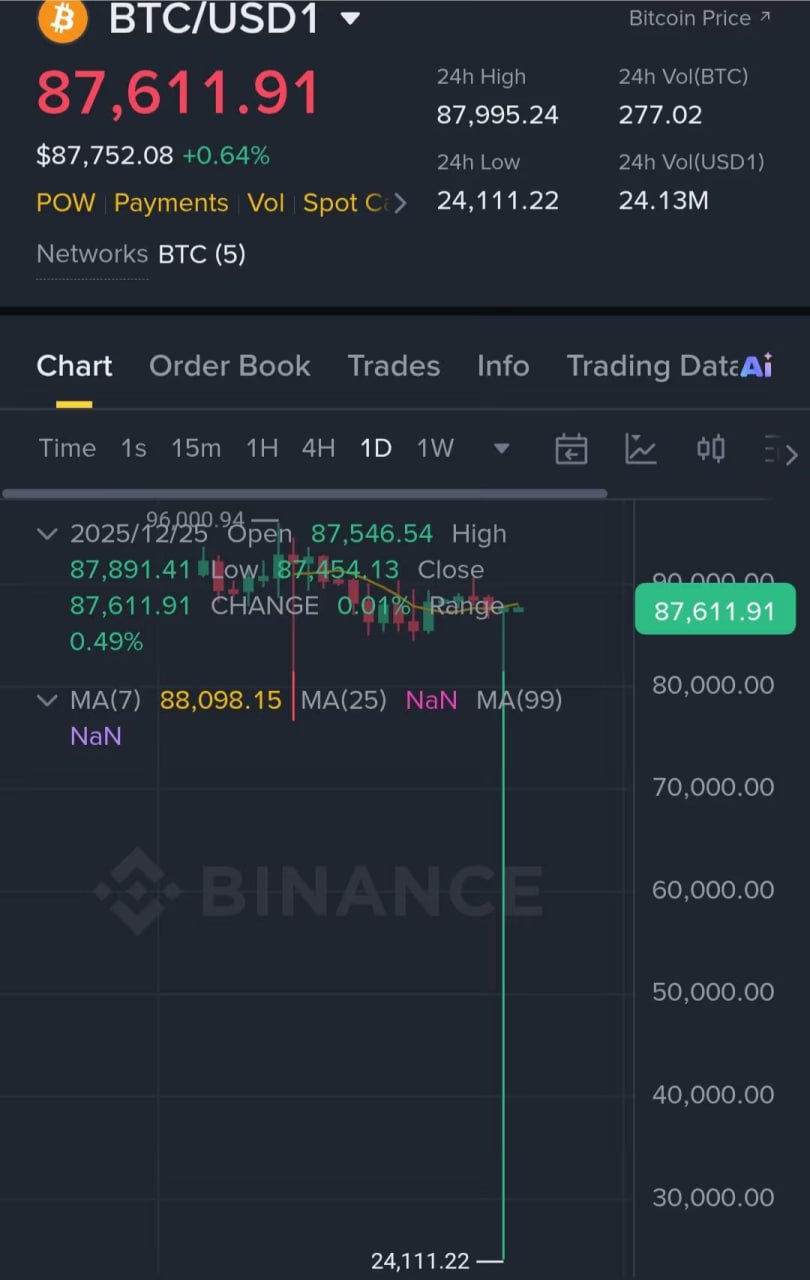
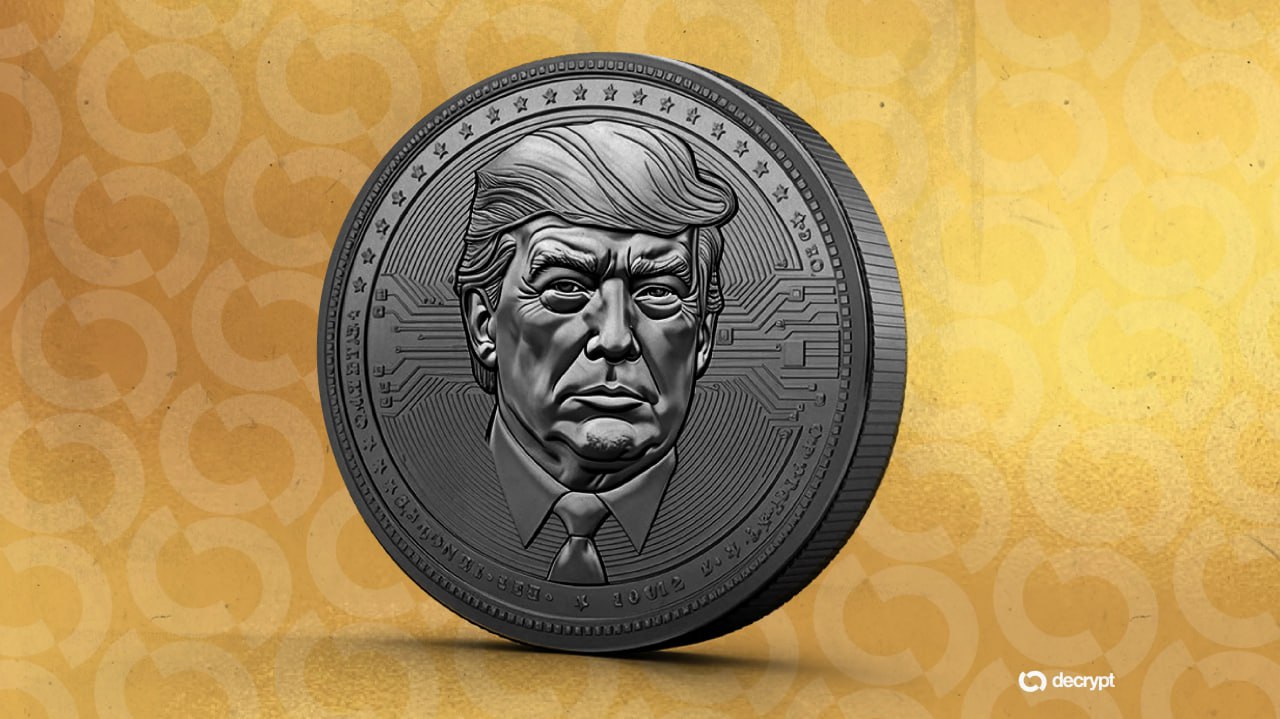
Promote with Leviathan NewsWorld Liberty Financial (WLFI), a crypto and on-chain credit platform closely associated in media and research coverage with Donald Trump’s business network, is launching its own U.S. dollar stablecoin USD1 on Ethereum and BNB Smart Chain as a fiat‑backed, institutional‑focused asset. According to the project’s materials, USD1 is structured as a fully redeemable, 1:1 dollar‑pegged token backed by U.S. Treasuries, cash deposits, and other cash equivalents, with issuance and custody handled by BitGo Trust Company, a regulated South Dakota trust entity. Coinbase and other market data providers describe USD1 as a dollar stablecoin intended to hold parity with USD, with a multi‑billion‑dollar circulating supply in secondary markets. The stablecoin is positioned as the core settlement asset for the World Liberty ecosystem, which includes World Liberty Markets, an on‑chain borrowing and lending platform built around USD1 as collateral and settlement currency. Research from DWF Labs and coverage in mainstream financial media frame WLFI and USD1 as an attempt to bridge tradfi and DeFi by offering an instrument that traditional institutions may be more comfortable using due to regulated custody and transparent reserve backing. This places USD1 in direct competition with established dollar stablecoins such as USDC, USDT, and others, but with the additional political and branding dimension created by its association with the “Trump Bucks” narrative and the Trump family’s backing highlighted in third‑party analyses. The launch on both Ethereum and BNB Smart Chain (BSC) is strategically significant: Ethereum remains the primary base layer for DeFi, while BSC offers lower‑cost transactions and large retail user bases, potentially broadening USD1’s adoption footprint. Binance’s separate announcement that it would list USD1 for spot trading, noting its backing by U.S. Treasuries and BitGo custody, underscores the project’s focus on liquidity and exchange integrations. As regulators globally scrutinize stablecoins and their reserve practices, USD1’s structure as a regulated‑custody, treasury‑backed token and its use as collateral in WLFI’s on‑chain markets will be key elements watched by both institutional users and policymakers.
AI-generated background, compiled from web sources — not editorial content.
Businesswire ·
decrypt.co ·
Coindesk ·

decrypt.co ·
𝕏/@lista_dao ·
decrypt.co ·
Businesswire ·
decrypt.co ·
Coindesk ·
decrypt.co ·
𝕏/@lista_dao ·
decrypt.co ·
🚀 Love DeFi? Ready to dive in and start earning $SQUID while making an impact?