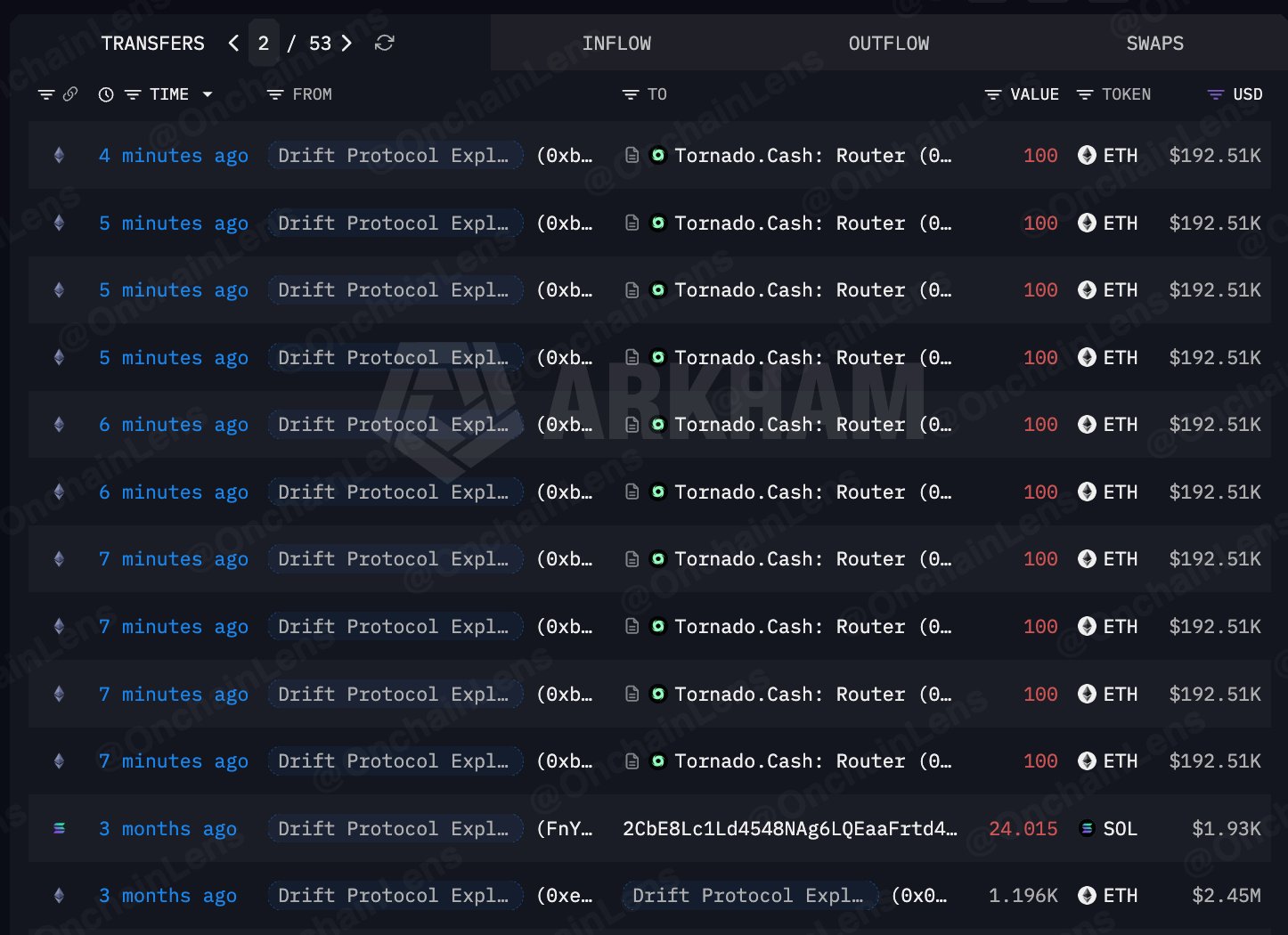
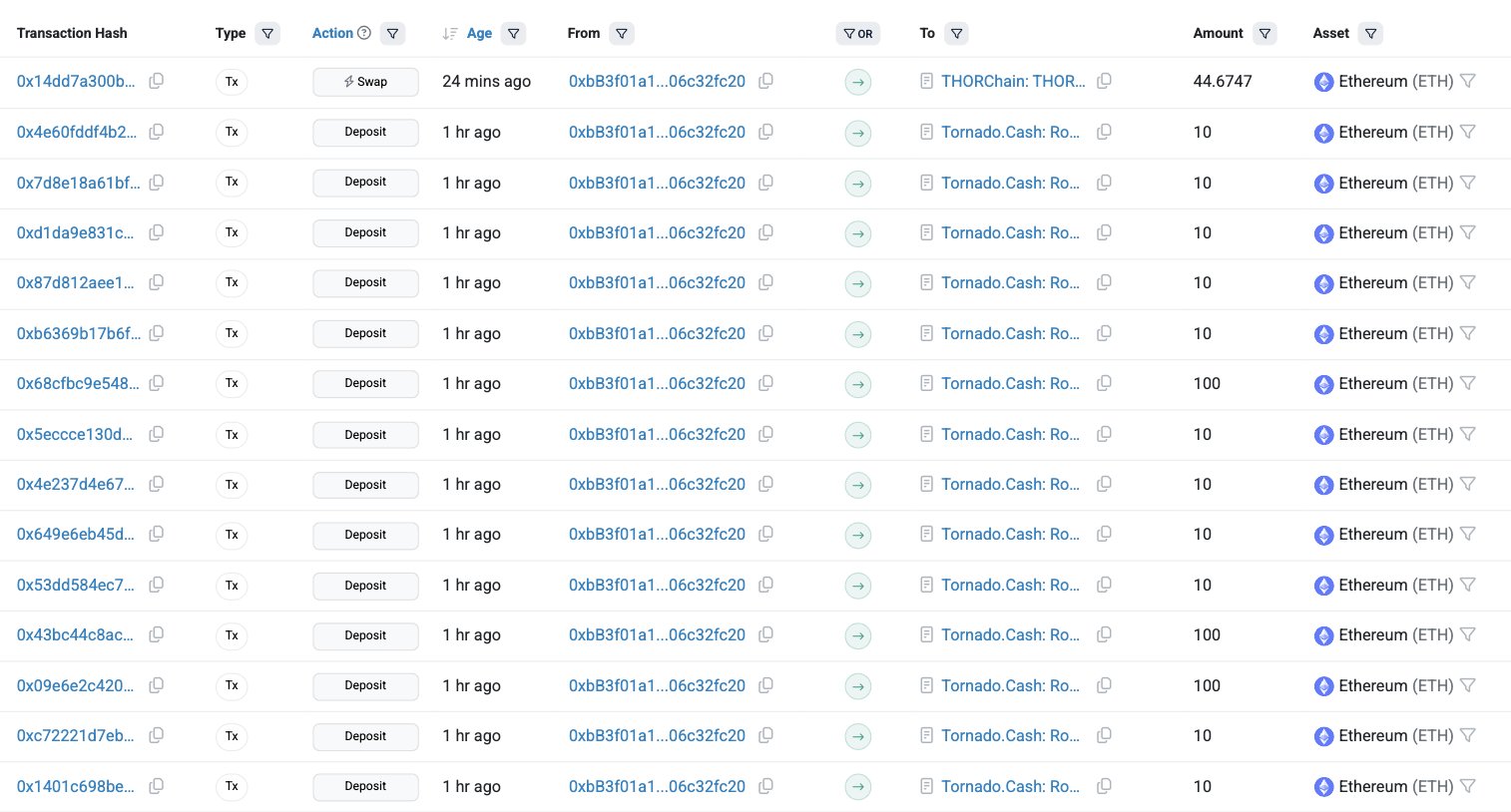
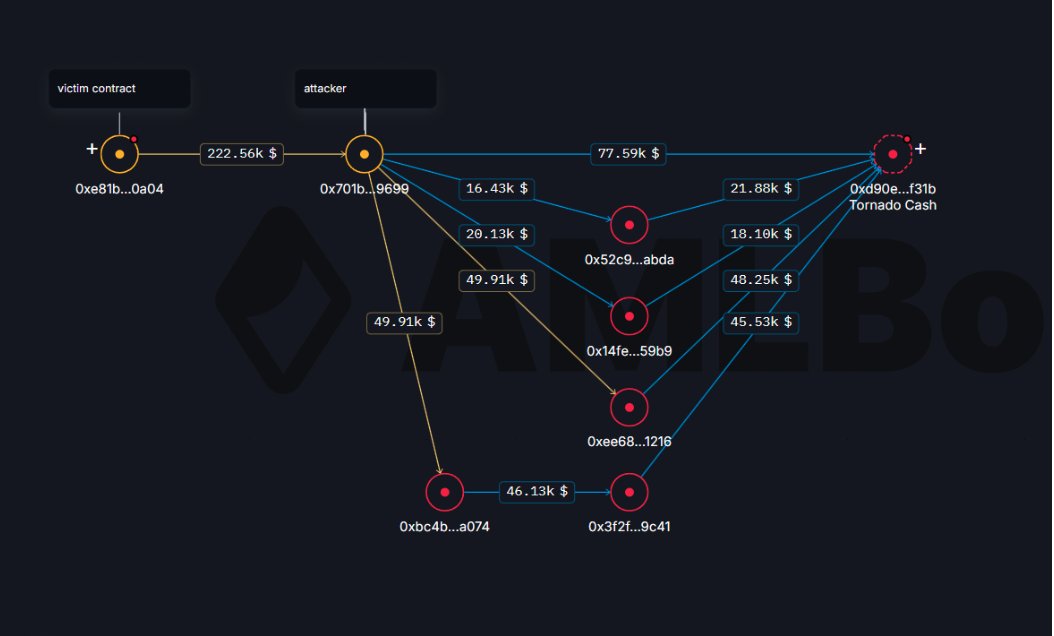
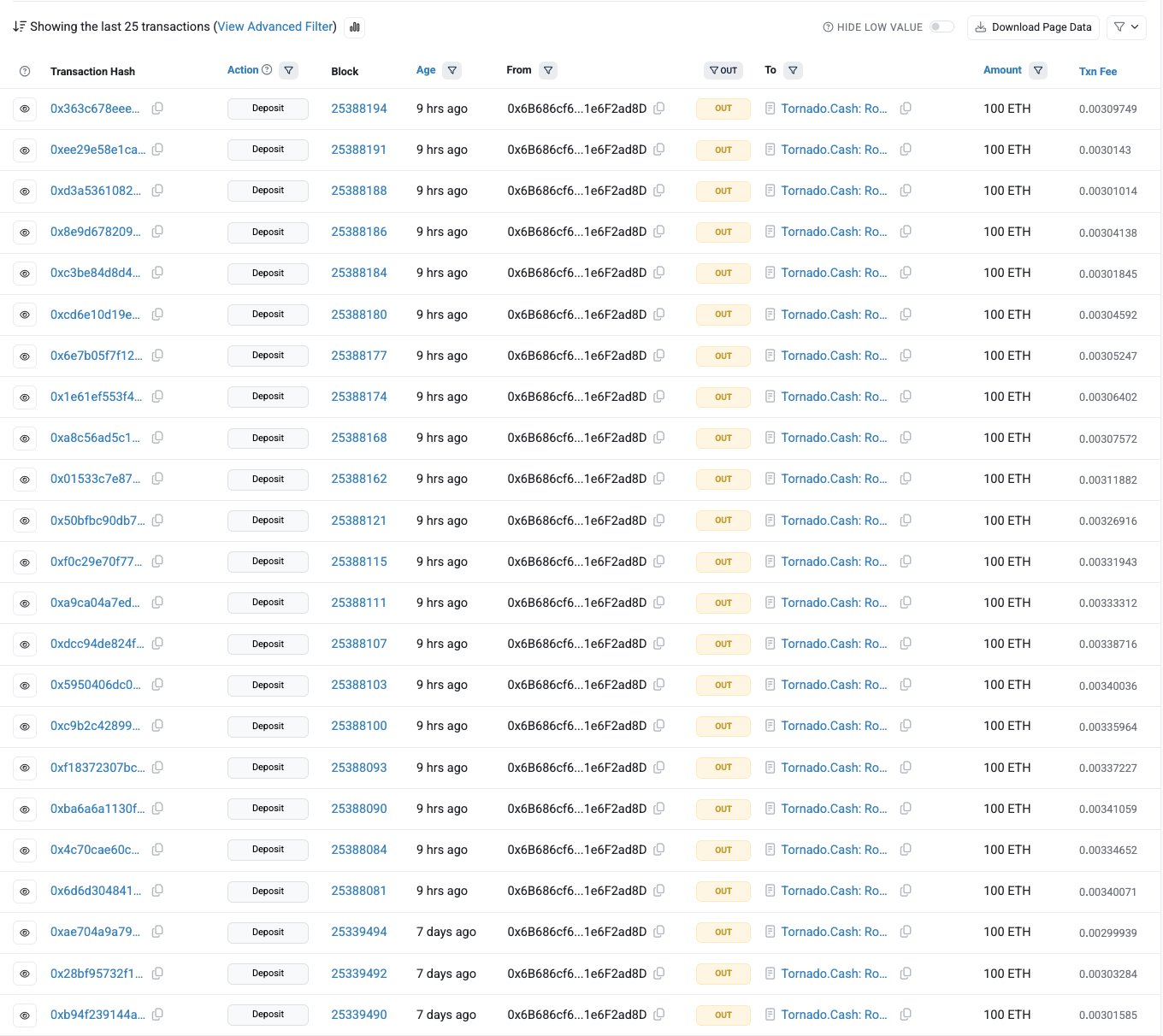
Tornado Cash co-founder Roman Storm is set to stand trial in the Southern District of New York on charges that test how far U.S. criminal law can reach into the act of writing and deploying privacy-focused open-source code. Prosecutors allege that from 2019 to 2022 Storm and fellow developer Roman Semenov built, marketed, and operated Tornado Cash as a crypto “mixing” service that facilitated more than $1 billion in criminal proceeds, including funds linked to North Korea’s Lazarus Group and other hacks. The August 2023 indictment charges Storm with conspiracy to commit money laundering, conspiracy to operate an unlicensed money transmitting business, and conspiracy to violate the International Emergency Economic Powers Act (IEEPA), arguing that he continued to support the service despite knowing its extensive criminal use and sanctions exposure.
Storm has pleaded not guilty, characterizing himself as a software developer who built non-custodial, open-source smart contracts to provide financial privacy, not as an operator of a custodial financial service. The case gained additional attention in May 2025 when the Department of Justice, following an internal charging-policy memo, narrowed one aspect of the unlicensed money-transmission charge but chose to press ahead to trial on the remaining theories. Legal and policy advocates, including the DeFi Education Fund, argue that the prosecution risks establishing a precedent that would hold developers of non-custodial protocols criminally responsible for how others use autonomous code, with potential implications for privacy tools, free-speech protections around publishing code, and the broader Web3 development ecosystem.
The trial, scheduled to begin July 14, 2025, in Manhattan, is widely viewed as a landmark test of whether building and publishing privacy-preserving smart contracts can be treated as part of a criminal money-laundering conspiracy when those tools are heavily used by sanctioned or criminal actors. It follows related enforcement actions against Tornado Cash, including the U.S. Treasury’s 2022 sanctions (partially rolled back after a 2024 appellate ruling that immutable smart contracts are not “property” for OFAC purposes) and the 2024 Dutch conviction of fellow developer Alexey Pertsev for money laundering. The outcome will help define the boundary between software development and regulated financial activity in crypto, and will signal how U.S. authorities intend to balance privacy, national security, and innovation in decentralized finance.
✨ AI-generated background, compiled from web sources — not editorial content.