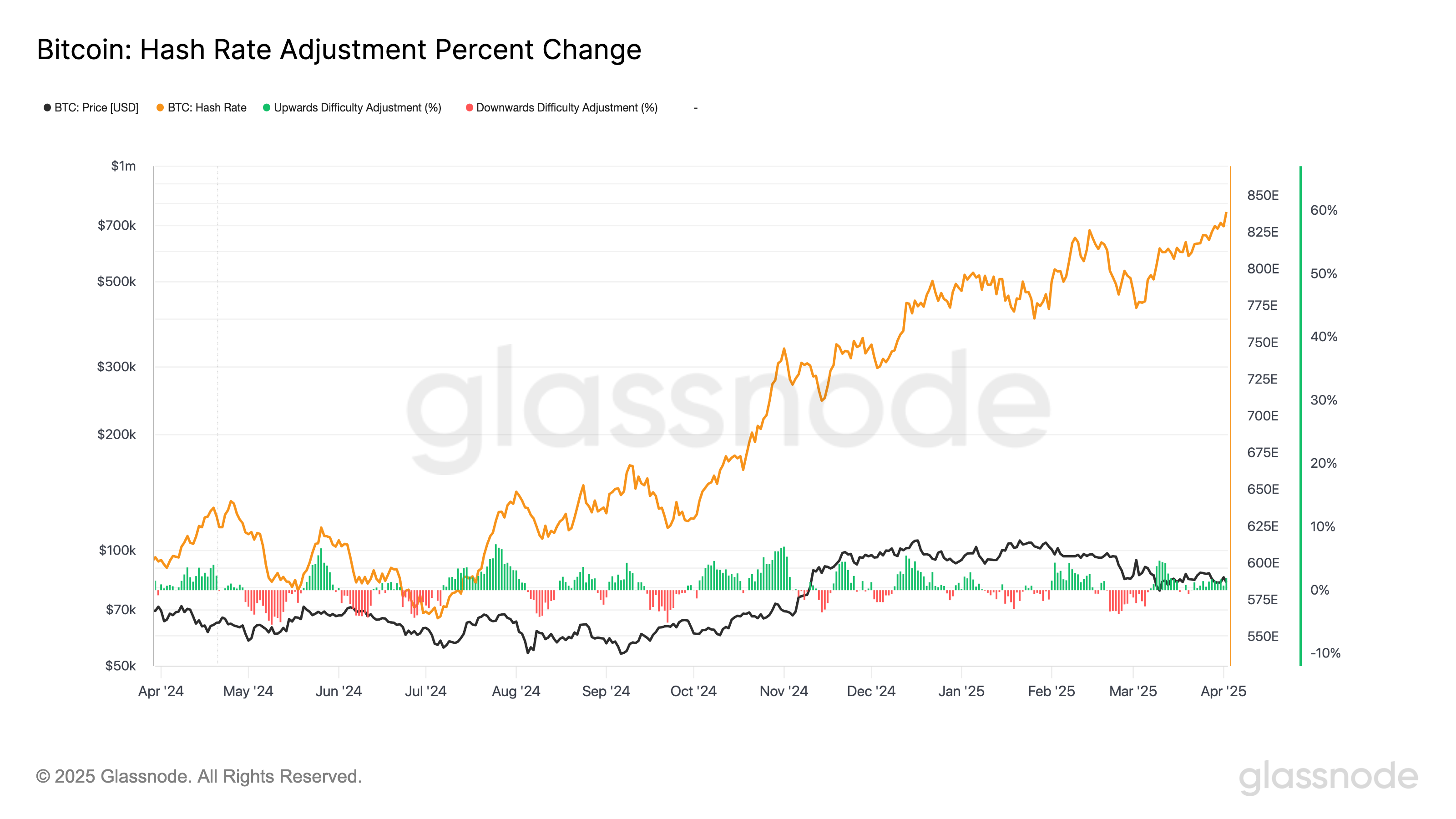
BTC’s hash rate just hit a new ATH, but sluggish network activity, low fees, and empty blocks are fueling doubts about the network’s long-term health and utility.

8 recorded changes
Want your article here?
Promote with Leviathan News


8 recorded changes
Want your article here?
Promote with Leviathan NewsBitcoin’s network hash rate has continued to climb to record highs, a sign that miners are committing more computing power to securing the chain. But the Coindesk framing of the story is that this strength on the mining side is being contrasted with weaker signs of network use: slow on-chain activity, low transaction fees, and blocks that are not consistently full, which raises questions about how much demand the network is seeing beyond mining competition. The key context is that hash rate measures the amount of computing power securing Bitcoin, not directly how much users are transacting. As a result, a rising hash rate can coexist with muted fee pressure and relatively light blockspace demand, because miners are incentivized by Bitcoin’s economics and operational costs, while fee revenue depends more on user demand for block inclusion. That tension matters because it feeds a broader debate over Bitcoin’s long-term utility: whether the network’s value will continue to be driven mainly by monetary credibility and security, or whether weak fee generation and sparse block usage could limit its sustainability as block subsidies decline over time.
AI-generated background, compiled from web sources — not editorial content.

𝕏/@saylor ·

𝕏/@fintechfrank ·

The Block ·

𝕏/@wowens ·

The Block ·

Coindesk ·

𝕏/@saylor ·

𝕏/@fintechfrank ·

The Block ·

𝕏/@wowens ·

The Block ·

Coindesk ·
🚀 Love DeFi? Ready to dive in and start earning $SQUID while making an impact?