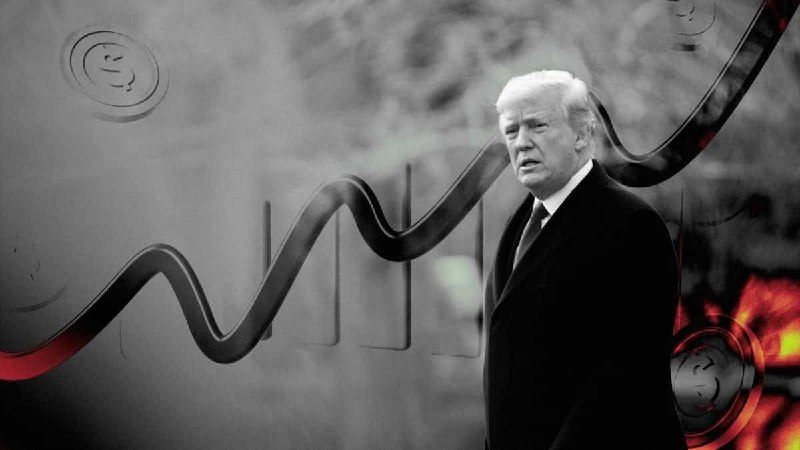
In a new CNBC “Beyond the Valley” segment recorded at Paris Blockchain Week, Ripple president Monica Long outlines how the company’s planned U.S. dollar stablecoin fits into its broader strategy, the growing push to tokenize real‑world assets, and how a Donald Trump return to the White House could affect U.S. crypto policy. Long explains that Ripple’s stablecoin (often referred to in other venues as Ripple USD or RLUSD) is designed to complement, rather than replace, the XRP token, especially in cross‑border payment products where Ripple uses XRP as a bridge asset for fast settlement between financial institutions. She situates Ripple’s move within the wider, rapidly expanding stablecoin market, arguing that compliant, institution‑grade stablecoins will increasingly underpin global payment flows and serve as collateral in traditional markets. Long also highlights tokenization of real‑world assets—such as financial instruments and other off‑chain assets brought on‑chain—as one of the key next phases for institutional adoption, predicting rising use of tokenized assets in capital markets and treasury operations. On U.S. policy, she contrasts the industry’s earlier environment of aggressive enforcement actions with a post‑Trump‑return scenario in which a more permissive or clearer regulatory framework could emerge, including bipartisan work on stablecoin legislation and the potential rollback of some past enforcement cases. For the crypto sector, her comments underscore that regulatory clarity, the maturation of stablecoins, and scalable tokenization infrastructure are now central to how large firms like Ripple plan product development and institutional partnerships, positioning blockchain less as a speculative niche and more as core financial plumbing.

AI-generated background, compiled from web sources — not editorial content.

More coverage

Explore the topic

More on Trump

Comments