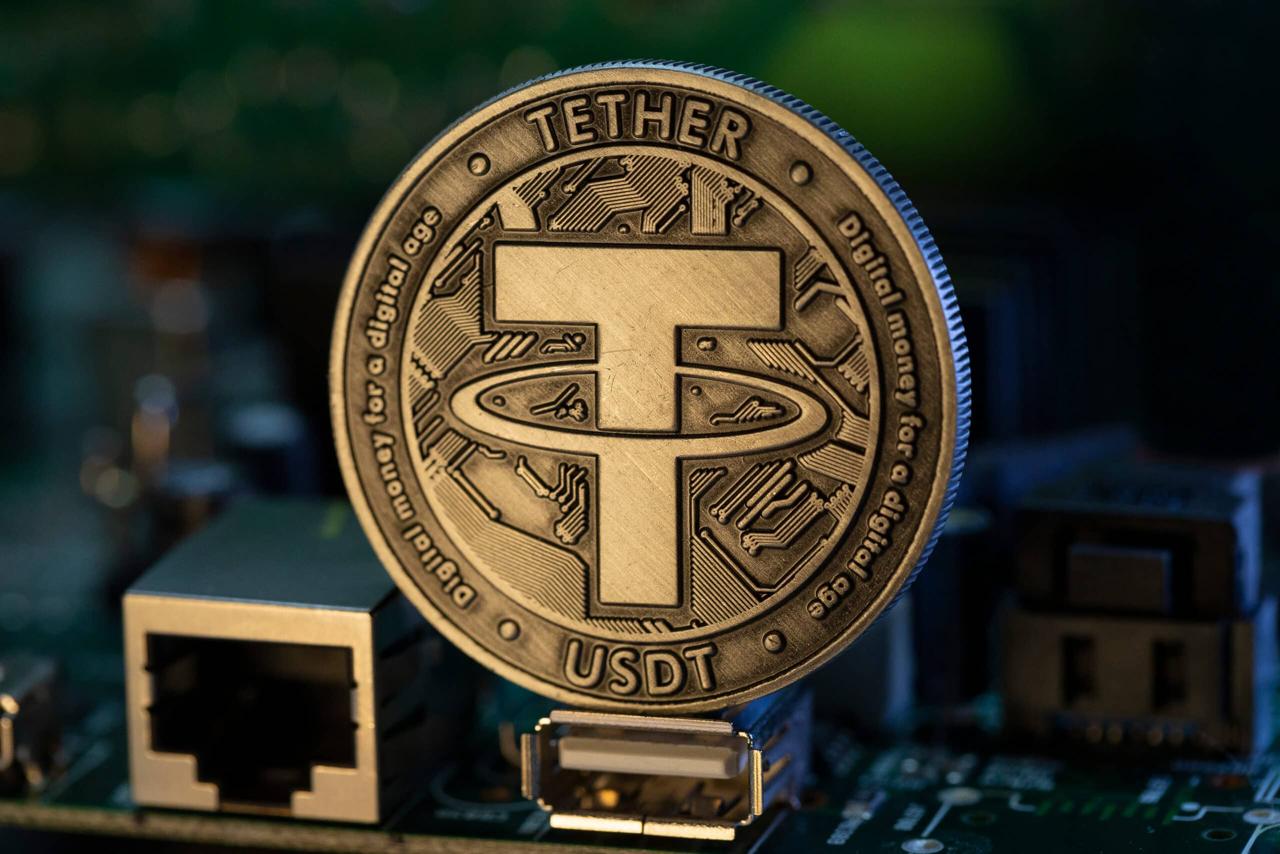
Tether to be brought under US jurisdiction, regardless of where it is based, according to newest version of Genius Stablecoin Bill
Unchainedcrypto •
Revision history
11 recorded changes
Want your article here?
Promote with Leviathan News11 recorded changes
Want your article here?
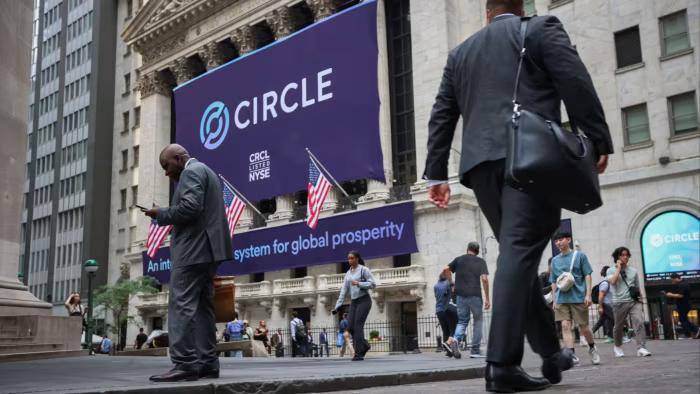
Promote with Leviathan NewsThe newest version of the US Senate’s GENIUS stablecoin bill would pull large foreign issuers like Tether more clearly into US regulatory reach by tying jurisdiction to where their stablecoins are offered and used, not where the company is incorporated. This reflects a broader legislative push to impose bank‑style oversight, reserve rules, and AML requirements on all major dollar‑pegged stablecoins that circulate in US markets. The Guiding and Establishing National Innovation for US Stablecoins (GENIUS) Act is a Senate stablecoin framework that has advanced with bipartisan support and is viewed as the lead vehicle for federal US stablecoin regulation. It sets detailed requirements for “payment stablecoins,” including strict 1:1 reserve backing in high‑quality liquid assets, monthly third‑party attestations, and explicit application of Bank Secrecy Act, AML, and sanctions compliance obligations to issuers. Under the bill, issuers with more than a specified size threshold in circulation (commonly discussed around $10 billion outstanding) must obtain a federal charter and fall under federal prudential supervision, while smaller issuers can be overseen at the state level if state rules are comparable to the federal standard. This structure is designed to capture the largest players in the market, such as Tether (USDT) and Circle (USDC), regardless of whether they are structured as banks or non‑bank entities. A key policy question in recent drafts has been how to handle offshore or foreign‑domiciled stablecoin issuers whose tokens trade heavily in US dollar markets and on US‑facing platforms. New York’s Attorney General and other policymakers have urged Congress to ensure that any foreign issuer whose stablecoins are accessible in the United States is automatically subject to US law and to the jurisdiction of relevant federal and state authorities. That approach—effectively basing jurisdiction on market access rather than corporate domicile—would mean that a company like Tether, even if headquartered and licensed outside the US, could be treated as operating in the US and required to comply with US reserve, disclosure, and AML/KYC standards if its tokens are offered to US users or integrated into US financial infrastructure. For regulators, this is central to addressing systemic and national‑security risks from large dollar‑pegged tokens circulating globally; for Tether and similar issuers, it would significantly increase regulatory obligations and legal exposure tied to their US market footprint.
AI-generated background, compiled from web sources — not editorial content.

CoinTelegraph ·
𝕏/@brian_armstrong ·
FT (No Paywall) ·
coinage.media ·

The Block ·
The Block ·
CoinTelegraph ·
𝕏/@brian_armstrong ·
FT (No Paywall) ·
coinage.media ·
The Block ·
The Block ·
🚀 Love DeFi? Ready to dive in and start earning $SQUID while making an impact?