Former President Joe Biden diagnosed with 'aggressive' form of prostate cancer

The Guardian •
Revision history
14 recorded changes
Want your article here?
Promote with Leviathan News14 recorded changes
Want your article here?
Promote with Leviathan NewsFormer US president Joe Biden has been diagnosed with an aggressive, metastatic prostate cancer that has spread to his bones. His office announced in mid‑May that the 82‑year‑old sought medical attention for worsening urinary symptoms, where a prostate nodule was detected and subsequent biopsy confirmed cancer. Clinicians reported a Gleason score of 9 out of 10, indicating a high‑grade tumor with a strong tendency to grow and spread, and imaging showed metastasis to the bone, classifying the disease as stage 4 prostate cancer. His team has also said the cancer is hormone‑sensitive, which typically makes it more responsive to standard hormone‑blocking therapies, even though it is not considered curable once it has reached the bones. Following the diagnosis, Biden and his family began consulting specialists to evaluate treatment options, including hormone therapy, radiation, and potentially chemotherapy, approaches that are commonly used in metastatic, hormone‑sensitive prostate cancer. Medical experts note that while bone‑metastatic prostate cancer is generally incurable, many patients can live for multiple years with modern treatments that aim to slow progression and manage symptoms. The case is drawing attention not only because of Biden’s prominent role—especially his leadership of the Obama‑era “Cancer Moonshot”—but also because it highlights broader issues around screening, early detection, and management of prostate cancer in older men, a disease that remains one of the most commonly diagnosed cancers in men in the United States.
AI-generated background, compiled from web sources — not editorial content.
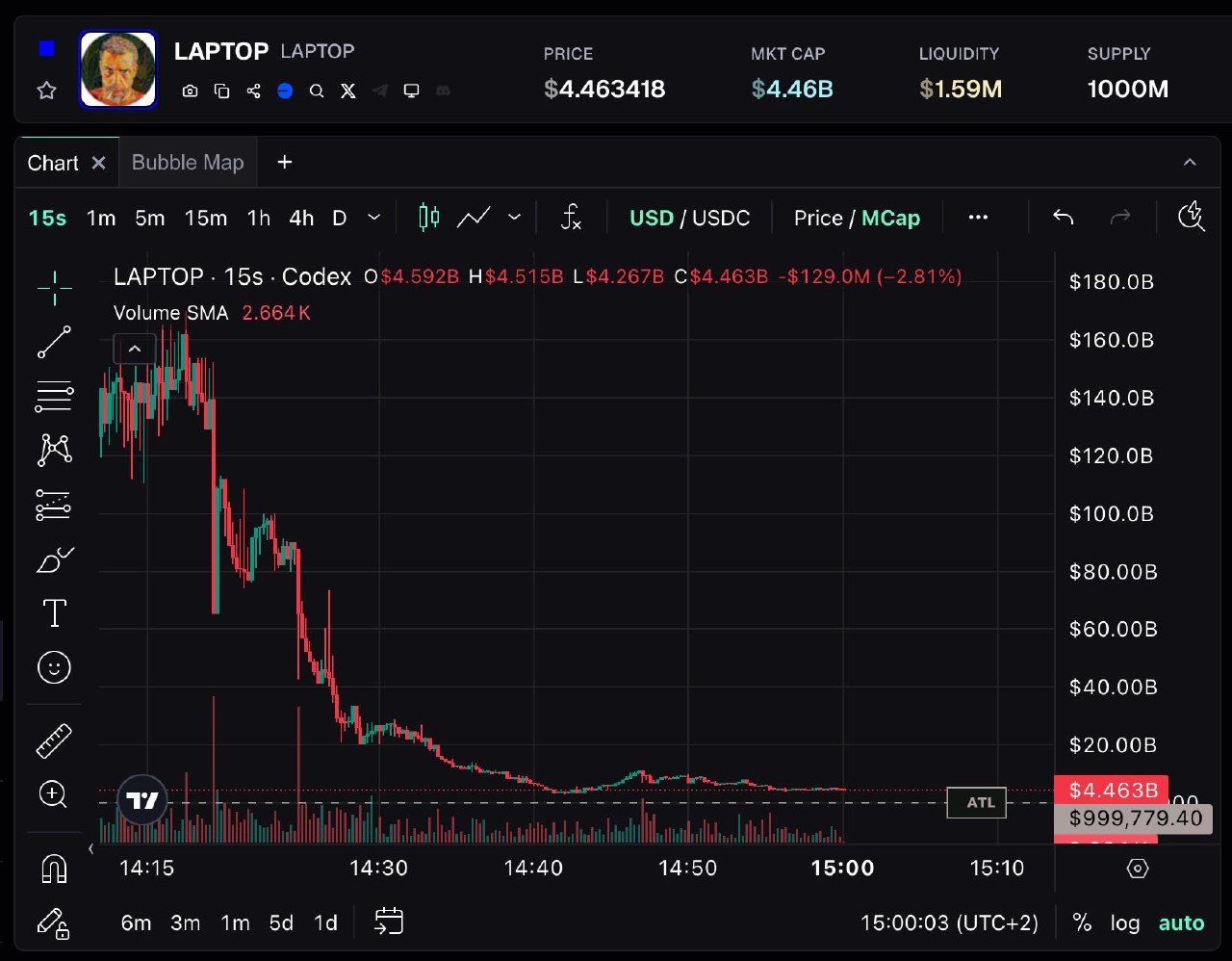
defined.fi ·

open.substack ·

𝕏/@HunterBiden ·

Axios ·

Axios ·

The Block ·
defined.fi ·
open.substack ·
𝕏/@HunterBiden ·
Axios ·
Axios ·
The Block ·
🚀 Love DeFi? Ready to dive in and start earning $SQUID while making an impact?