U.S. Treasury tells Congress crypto mixers protect financial privacy but remain a top tool for DPRK hackers, fraud and ransomware operators
home.treasury.gov •
Revision history
8 recorded changes
Want your article here?
Promote with Leviathan News8 recorded changes
Want your article here?
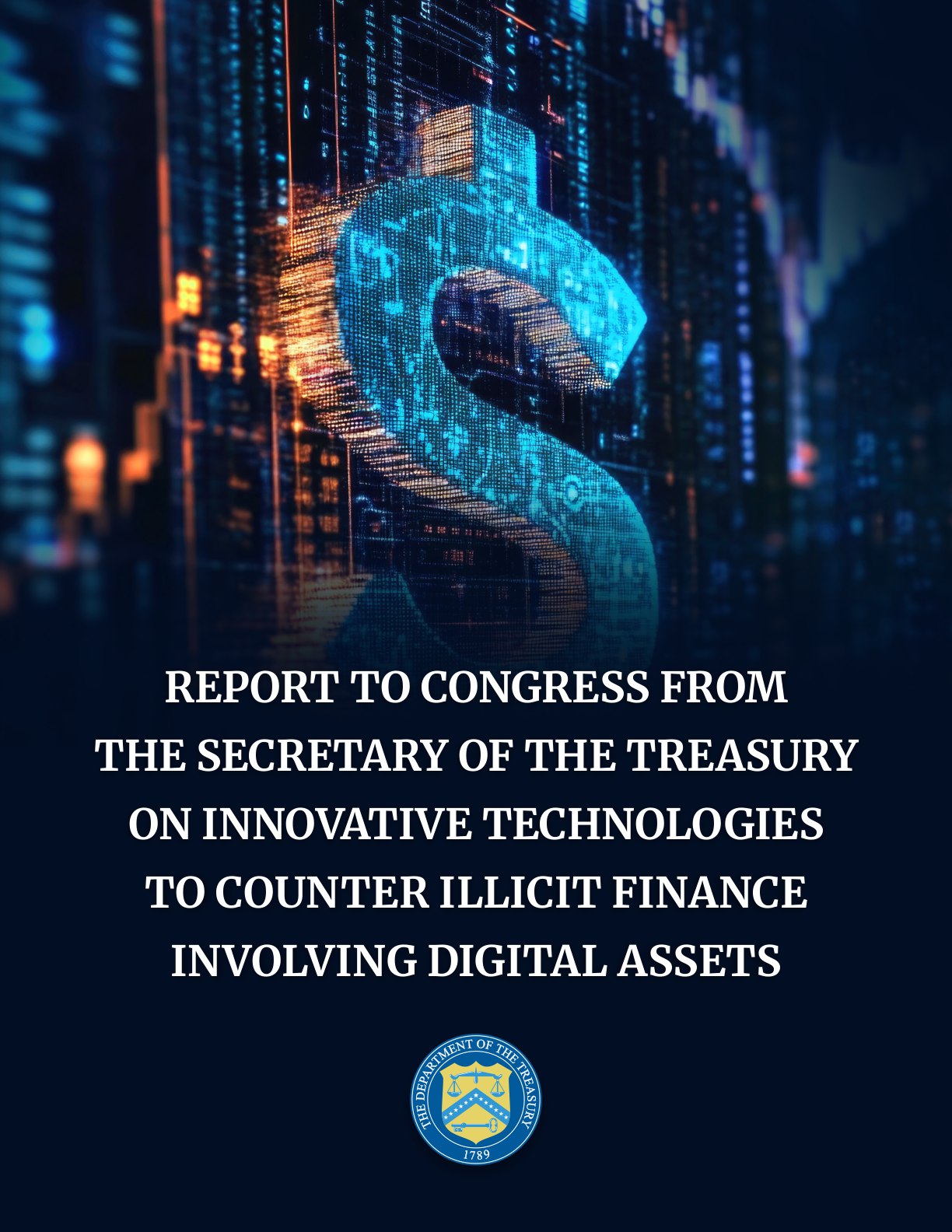
Promote with Leviathan NewsThe U.S. Treasury told Congress in a March 2026 report that crypto mixers can serve legitimate privacy needs on public blockchains, even as they remain heavily exploited by North Korean-linked hackers, fraudsters, ransomware operators and other illicit actors. The report was issued under the GENIUS Act framework and reflects Treasury’s attempt to balance financial privacy with anti-money-laundering and sanctions enforcement concerns. Treasury’s analysis says users may turn to mixers to conceal sensitive information such as personal wealth, business payments or charitable donations, but the same tools also help criminals obscure the origin of stolen or sanctioned assets. The report cites large-scale laundering patterns involving bridges and mixers, including more than $1.6 billion in deposits from mixing services flowing into crypto bridges since May 2020 and more than $900 million tied to one bridge associated with North Korean laundering activity. It also notes that North Korean-linked groups stole at least $2.8 billion in digital assets in 2024–2025 and frequently used mixers to disguise the proceeds. Why it matters: Treasury’s acknowledgment of lawful privacy uses is a notable shift in official U.S. language, but the report also underscores that mixers remain a major enforcement concern because they can weaken transaction tracing and sanctions controls. The document is part of a broader policy push to update digital-asset compliance tools and clarify responsibility across decentralized finance, while preserving room for legitimate privacy on transparent blockchains.
AI-generated background, compiled from web sources — not editorial content.

Chainalysis ·

𝕏 ·

𝕏/@KelpDAO ·

Coindesk ·
𝕏/@imperiumpaper ·

blog.ethereum.org ·
Chainalysis ·
𝕏 ·
𝕏/@KelpDAO ·
Coindesk ·
𝕏/@imperiumpaper ·
blog.ethereum.org ·
🚀 Love DeFi? Ready to dive in and start earning $SQUID while making an impact?