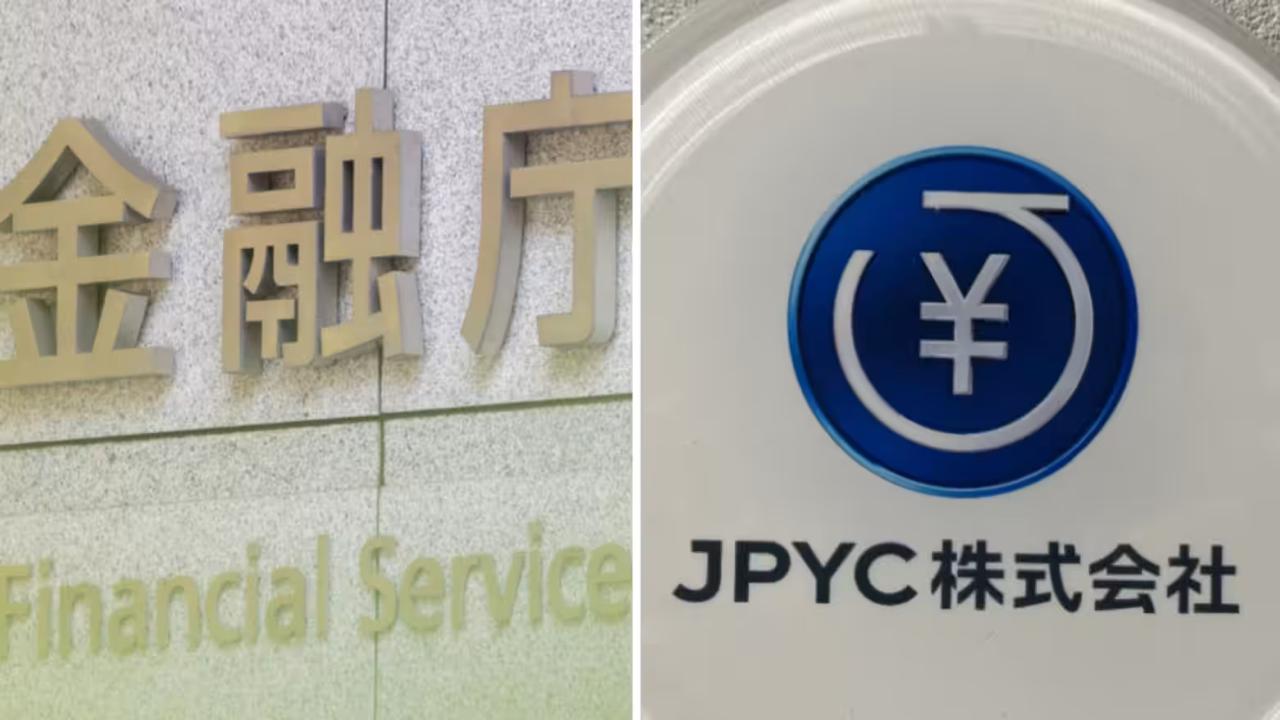
Japan’s Financial Services Agency (FSA) is expected to approve issuance of the country’s first yen‑denominated, blockchain-based stablecoin as early as autumn, with the token designed primarily for international remittances and corporate settlements. The stablecoin will be issued by Tokyo-based fintech JPYC, which plans to register as a licensed money transfer business so it can issue a fully collateralized token pegged 1:1 to the Japanese yen and backed by highly liquid reserves such as bank deposits and Japanese government bonds. Once approved, individuals, companies, and institutional investors will be able to purchase JPYC with fiat, receive the tokens into electronic wallets, and use them for cross-border payments and other on-chain transactions. This development is a direct outcome of Japan’s post-2022 regulatory reforms, where amendments to the Payment Services Act created a dedicated framework for fiat-backed stablecoins and restricted issuance to banks, trust companies, and registered money transfer businesses. By moving from regulation-on-paper to an actually approved yen stablecoin, Japan is positioning itself as a tightly regulated but active hub for compliant stablecoins and digital payment infrastructure, in contrast to more permissive regimes elsewhere. Policymakers and industry stakeholders see potential use cases in lowering costs and settlement times for overseas remittances (for example, sending funds to students or family abroad), streamlining cross-border corporate payments, and enabling participation in decentralized finance (DeFi) with a yen‑pegged asset rather than dollar stablecoins. The issuer has signaled ambitions to scale issuance up to around 1 trillion yen over several years, underscoring expectations that regulated yen stablecoins could become a meaningful component of Japan’s financial and crypto markets.

AI-generated background, compiled from web sources — not editorial content.

More coverage

Explore the topic

More on Japan

Comments