Investors warn of ‘Fiscal Dominance’ era as soaring debt and rising rates pressure Central Banks to ease policy.
Global markets may be entering a phase of fiscal dominance, where central banks face growing pressure to keep interest rates low to offset record government borrowing costs—most notably in the U.S., U.K., and Japan.
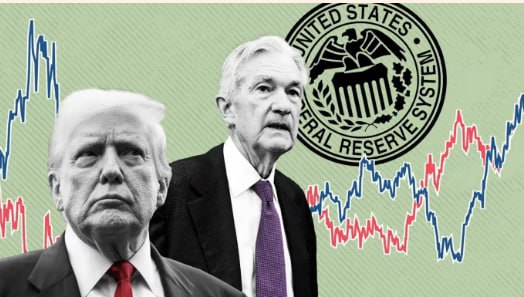
Investors warn of ‘Fiscal Dominance’ era as soaring debt and rising rates pressure Central Banks to ease policy.
Global markets may be entering a phase of fiscal dominance, where central banks face growing pressure to keep interest rates low to offset record government borrowing costs—most notably in the U.S., U.K., and Japan.
archive.md
Revision history

9 recorded changes

Want your article here?

Promote with Leviathan News


Global investors and economists are increasingly warning that major developed economies may be shifting into an era of fiscal dominance, in which high government debt and large deficits begin to constrain central banks’ ability to set interest rates purely to control inflation and manage the business cycle. Under fiscal dominance, monetary policy is effectively steered by fiscal needs: central banks come under pressure to keep interest rates lower than they otherwise would to contain governments’ debt‑servicing costs and avoid destabilizing sovereign bond markets. Analysts highlight the United States, United Kingdom, and Japan as particularly exposed, given their elevated debt levels, heavy reliance on short‑maturity issuance, and rising interest bills as post‑pandemic rate hikes feed through to government financing costs. In this context, market commentators are reviving concepts such as the “return of the bond vigilantes,” noting that investors are demanding higher risk premia at longer maturities and showing weaker demand in some recent long‑dated government bond auctions in countries including the U.S. and Japan. Research from central bank economists and policy think tanks stresses that if fiscal dominance becomes entrenched, central banks could be forced to tolerate higher inflation or financial repression (keeping real rates artificially low) in order to maintain debt sustainability, eroding their inflation‑fighting credibility and potentially increasing macroeconomic volatility over time. The debate matters because it frames how sustainable current debt trajectories are, how independent monetary policy truly remains in heavily indebted economies, and how bond markets might respond if investors lose confidence in governments’ willingness or ability to stabilize their public finances.

AI-generated background, compiled from web sources — not editorial content.

More coverage

Explore the topic

More on Japan

Comments