One year after his absurd, four-day detention in France, Pavel Durov praises his father’s advice on conscience, positivity, and leading by example.

ꘜ/@durov •
Revision history
8 recorded changes
Want your article here?
Promote with Leviathan News8 recorded changes
Want your article here?
Promote with Leviathan NewsIn late August 2024, Telegram founder and CEO Pavel Durov was detained by French authorities for four days after landing at Le Bourget airport near Paris, then placed under formal investigation and released on bail with strict conditions. Investigators allege that Telegram failed to adequately curb criminal activity on the platform, including extremist content, child sexual exploitation material, drug trafficking, fraud, and money laundering, and accuse Durov personally of “complicity” in enabling illicit transactions and of failing to cooperate with law-enforcement requests. He was released under judicial supervision on a €5 million bail, barred from leaving France and required to report regularly to police while the case proceeds toward a possible trial. Durov and Telegram have publicly criticized the French move as a “surprising” and disproportionate response, arguing that authorities should have raised content and cooperation issues directly with the company rather than arresting its CEO. The detention has sparked a broader debate about platform liability and personal responsibility of tech founders for user-generated content: supporters frame the case as overdue accountability for a service widely used by criminals, while critics warn it could set a precedent for targeting messaging-app executives over content they do not directly control. In the year since his detention, Durov has used public channels (including his personal Telegram account) to frame the episode through themes of conscience, positivity, and leading by example, positioning it within a wider narrative about privacy, free communication, and state pressure on encrypted platforms. "entities":["Pavel Durov","Telegram","VK (VKontakte)","French judiciary / Paris prosecutor’s office","Le Bourget Airport","Human Rights Foundation (Oslo Freedom Forum context)","European law-enforcement authorities"]}'}
AI-generated background, compiled from web sources — not editorial content.

Jumpsec ·

slowmist.medium ·

𝕏/@aave ·

𝕏/@ellenleanartha ·

Reuters ·
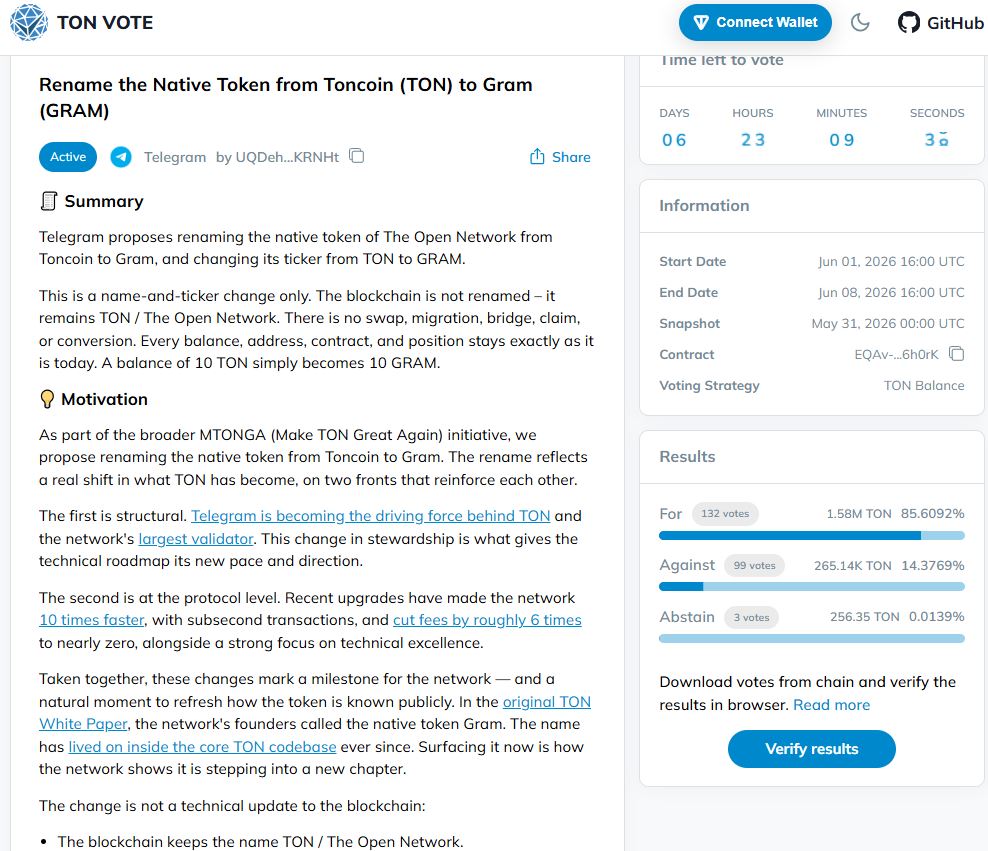
ton.vote ·
Jumpsec ·
slowmist.medium ·
𝕏/@aave ·
𝕏/@ellenleanartha ·
Reuters ·
ton.vote ·
🚀 Love DeFi? Ready to dive in and start earning $SQUID while making an impact?