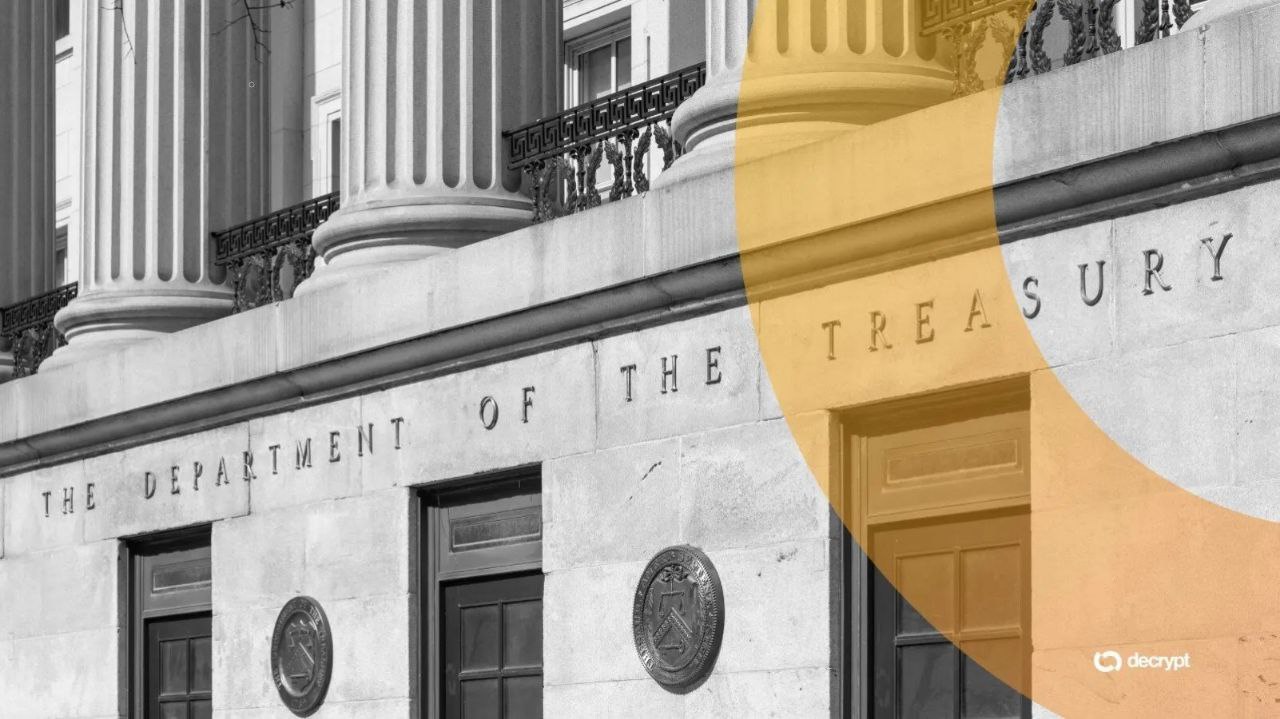
U.S. lawmakers have introduced bipartisan legislation directing the Treasury Department to conduct a rapid, formal study on creating a Strategic Bitcoin Reserve, examining whether and how the federal government should hold and manage Bitcoin as a reserve asset. The bill would require Treasury to report on feasibility, custody models, cybersecurity, accounting treatment, and the scope of its legal authority to operate such a reserve within a short deadline, positioning that report as the basis for any future federal standards.
According to congressional materials and related coverage of the American Reserve Modernization Act of 2026 (ARMA), the emerging policy framework envisions consolidating all federally held Bitcoin and other digital assets under the U.S. Treasury, establishing a dedicated Strategic Bitcoin Reserve and a separate Digital Asset Stockpile for non‑Bitcoin holdings. The study mandate described in the story fits into this broader effort: Treasury would need to evaluate secure custody architectures (including multi‑party or institutional custody), common cybersecurity baselines, and consistent valuation and accounting rules for Bitcoin on the federal balance sheet, as well as identify any statutory gaps that might limit Treasury’s authority to acquire, hold, or deploy Bitcoin at scale. If this work leads to binding standards, it could define federal “best practices” for Bitcoin custody, auditing, and disclosure—standards that banks, custodians, and large institutional holders are likely to look to as benchmarks, influencing how Bitcoin reserves are managed across the wider industry.
✨ AI-generated background, compiled from web sources — not editorial content.