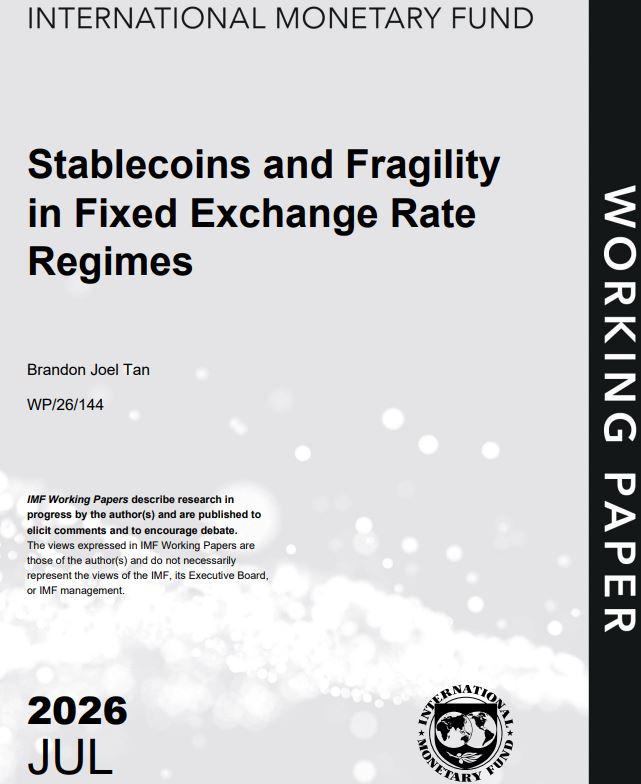
El Salvador’s bitcoin purchases are under scrutiny after onchain analyst Sani presented evidence suggesting the government may be “recycling” BTC across wallets rather than making fresh acquisitions. The IMF has previously raised similar concerns, but President Bukele’s administration continues to post each transfer as a new purchase via the Bitcoin Office.
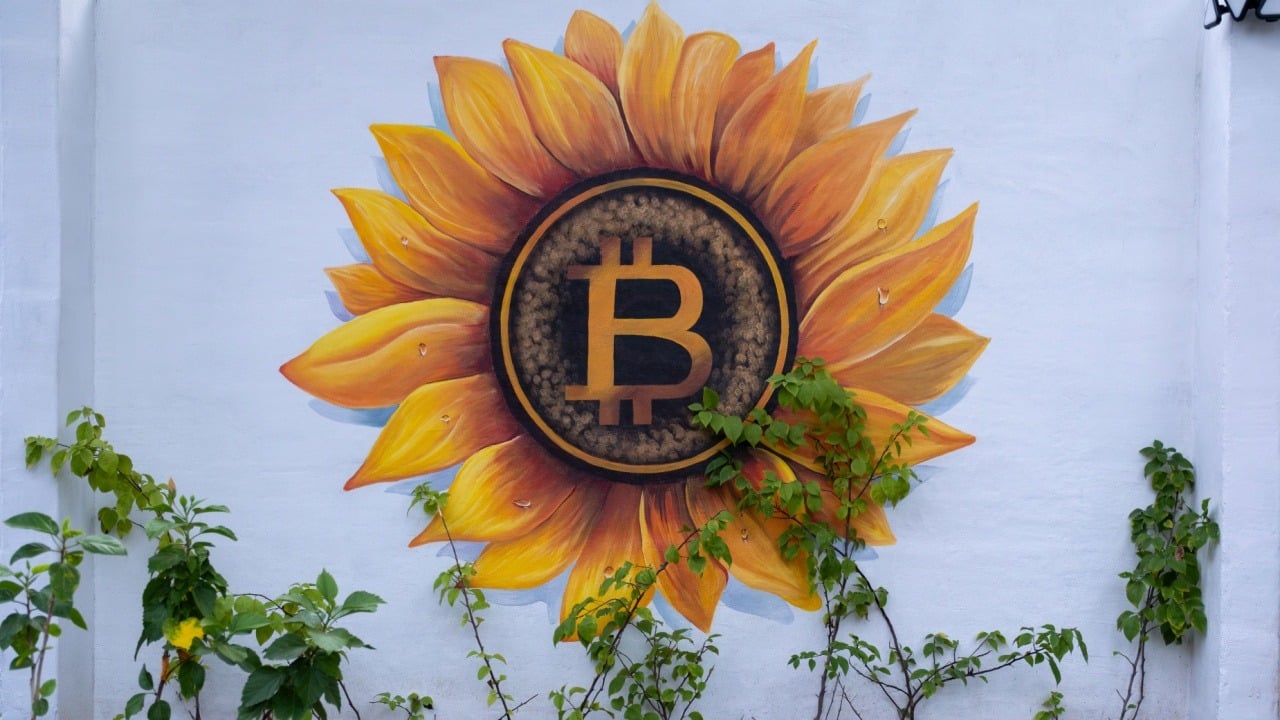
El Salvador’s bitcoin purchases are under scrutiny after onchain analyst Sani presented evidence suggesting the government may be “recycling” BTC across wallets rather than making fresh acquisitions. The IMF has previously raised similar concerns, but President Bukele’s administration continues to post each transfer as a new purchase via the Bitcoin Office.
news.bitcoin
Revision history

6 recorded changes

Want your article here?

Promote with Leviathan News

El Salvador’s official Bitcoin purchases are under renewed scrutiny after onchain analyst Sani argued that some of the government’s reported acquisitions may not be fresh buys at all, but transfers of bitcoin already controlled by the state between wallets. The allegation echoes earlier IMF concerns that some wallet activity presented as new accumulation could instead reflect consolidation or internal movement rather than market purchases. The issue matters because President Nayib Bukele’s administration has made public Bitcoin buying a signature policy and has continued to post transfers through the government’s Bitcoin Office as if they were new acquisitions. That has significance well beyond accounting: El Salvador was the first country to make bitcoin legal tender in 2021, and its Bitcoin policy has become a closely watched test case for sovereign crypto adoption, fiscal transparency, and the credibility of official reserve disclosures.

AI-generated background, compiled from web sources — not editorial content.

More coverage

Explore the topic

More on IMF

Comments