Jack Dorsey’s decentralized chat app Bitchat has surged in Nepal and Indonesia as protests and social media bans push users to censorship-resistant tools. Downloads in Nepal spiked 1,400% to 48K, while 11K Indonesians joined amid unrest, cementing Bitchat as a protest tool.
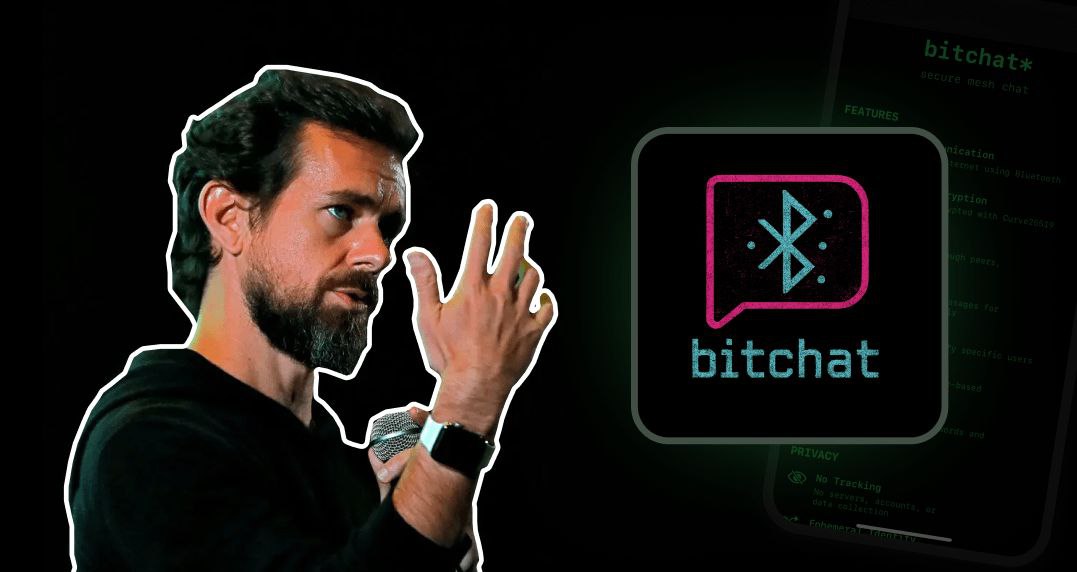
Jack Dorsey’s decentralized chat app Bitchat has surged in Nepal and Indonesia as protests and social media bans push users to censorship-resistant tools. Downloads in Nepal spiked 1,400% to 48K, while 11K Indonesians joined amid unrest, cementing Bitchat as a protest tool.
decrypt.co
Revision history

9 recorded changes

Want your article here?

Promote with Leviathan News


Jack Dorsey’s decentralized messaging app Bitchat has rapidly gained users in Nepal and Indonesia as protesters sought communication tools that could function amid internet disruptions and social media bans. In Nepal, anti-corruption and anti-government demonstrations escalated after authorities blocked access to around two dozen major social platforms, including Facebook, Instagram, YouTube, and WhatsApp, prompting tens of thousands of people—especially younger protesters—to turn to Bitchat as an alternative channel for coordination. Downloads in Nepal jumped from a few thousand to roughly 48,000 within days, representing well over a third of the app’s total installs at that time and briefly making Nepal its largest user base. Bitchat is built on the Nostr protocol and uses a Bluetooth-based mesh networking model that allows messages to propagate device-to-device without relying on centralized servers or continuous internet connectivity, making it attractive in environments where authorities block or monitor conventional platforms. Similar dynamics reportedly played out in Indonesia, where protests over lawmakers’ perks and a subsequent crackdown pushed thousands of demonstrators to use Bitchat for local, peer-to-peer messaging in late August. The app’s growing footprint in protest movements—alongside reported usage spikes in other countries facing unrest and shutdowns, such as Iran and Madagascar—has positioned Bitchat as part of a broader trend toward censorship-resistant, decentralized communication tools that can bypass state control over social media and telecom infrastructure.

AI-generated background, compiled from web sources — not editorial content.

More coverage

Explore the topic

More on App

Comments