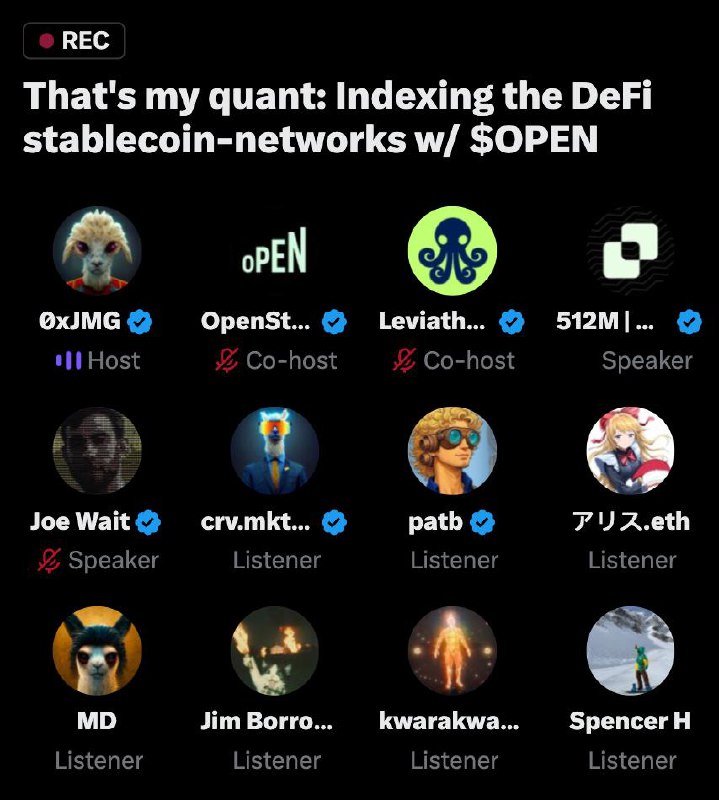
Live now: "That's my quant!" -- Indexing the DeFi Stablecoin networks with OPEN Stablecoin Index
𝕏/@0xJMG •
Revision history
3 recorded changes
Want your article here?
Promote with Leviathan News3 recorded changes
Want your article here?
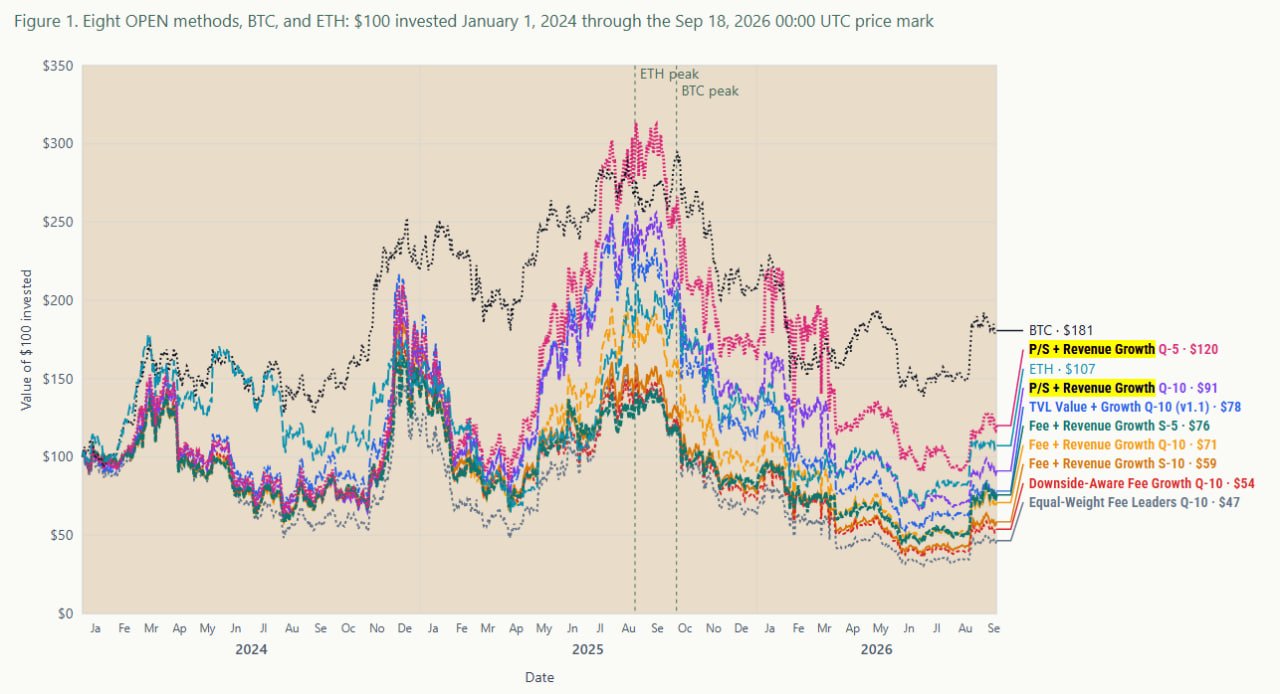
Promote with Leviathan NewsA post by pseudonymous DeFi researcher and index creator 0xJMG promoted a live session titled “That’s my quant! – Indexing the DeFi Stablecoin networks with OPEN Stablecoin Index,” highlighting the design and role of the Open Stablecoin Index (ticker: OPEN). The index is structured as an on-chain product that bundles major decentralized stablecoin networks into a single token, aiming to offer systematic, rules-based exposure to what its creators frame as the “strongest” or “leading” open stablecoin ecosystems in DeFi. The session’s theme of “indexing the DeFi stablecoin networks” references the quantitative methodology behind selecting and weighting these underlying stablecoin protocols rather than focusing on a single asset. According to public documentation, the Open Stablecoin Index is implemented as a DeFi index/DTF (decentralized tokenized fund) that tracks multiple open stablecoin networks in one ERC‑20 token, using either equal- or value-weighted rules depending on the version referenced. It is positioned as an index of stablecoin networks that emphasize on-chain transparency, composability with DeFi protocols, and some form of user-led or community governance, in contrast to fully centralized custodial stablecoins. The live discussion therefore matters for DeFi participants following the evolution of decentralized stablecoins and on-chain index products, as it showcases an attempt to make diversified stablecoin network exposure investable through a single, rules-based token. From a market perspective, OPEN trades on-chain and on a handful of exchanges and DeFi interfaces, with a relatively small market capitalization and modest daily volume compared with major stablecoins. Nonetheless, it reflects a broader trend of using index-style tokens to package entire subsectors of DeFi—here, decentralized stablecoin networks—into one asset that can be integrated into wallets, trading venues, and composable DeFi strategies. For researchers and practitioners, the project illustrates how quantitative index construction methods are being applied to infrastructure-level crypto segments like stablecoin networks, and how those choices (e.g., weighting, inclusion criteria, and governance) can shape perceived “beta” exposure to a key part of the DeFi stack.
AI-generated background, compiled from web sources — not editorial content.
Loading related coverage…
𝕏/@OpenMoneyIndex ·
𝕏/@artemis ·

𝕏/@Figure ·

𝕏/@Tether_to ·

𝕏/@exodus ·
𝕏/@StaniKulechov ·
𝕏/@OpenMoneyIndex ·
𝕏/@artemis ·
𝕏/@Figure ·
𝕏/@Tether_to ·
𝕏/@exodus ·
𝕏/@StaniKulechov ·