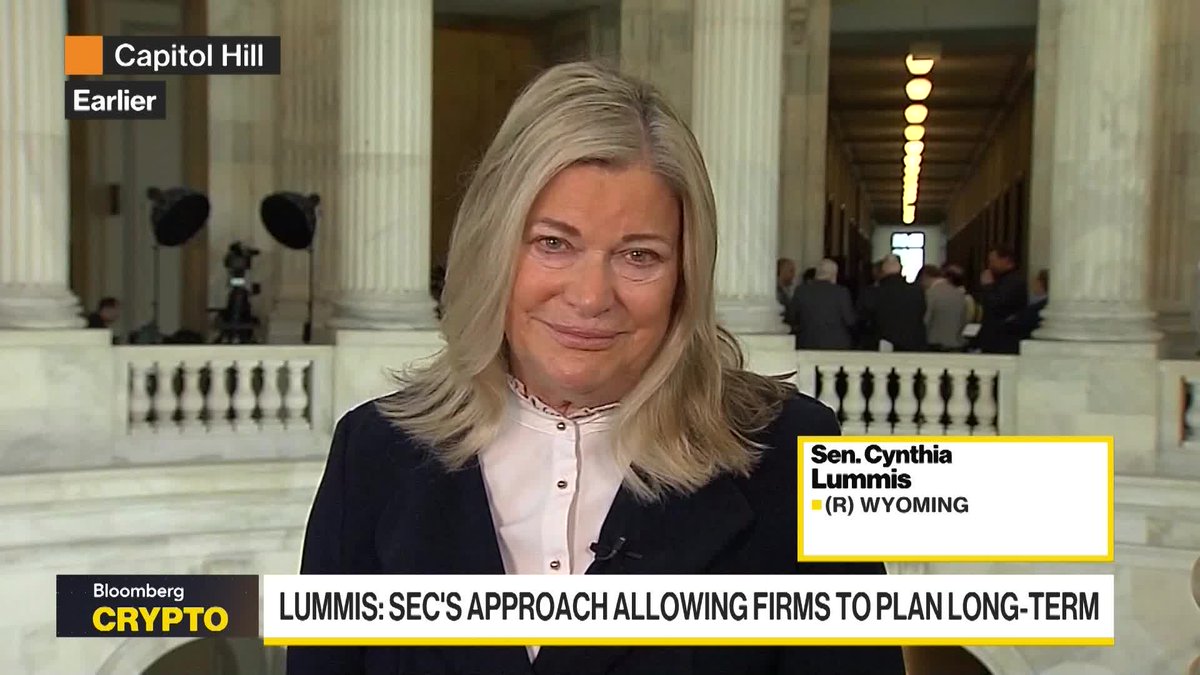
With the GENIUS Act now enacted, Congress is moving to the next major piece of crypto legislation: a market-structure bill meant to define how U.S. digital assets are classified and which regulators oversee them. The Senate has already prepared to consider this bill, building on the House-passed CLARITY Act and a Senate draft that would create new legal categories for crypto assets and shift much of the oversight from the SEC to the CFTC. The central policy question is how to regulate crypto markets without undermining investor protections or financial stability. Supporters frame the legislation as a way to give the industry clearer rules and promote U.S. innovation, while critics warn that the draft framework is lengthy, complex, and materially weaker than existing securities-law protections, with potential gaps around stablecoins, decentralized finance, and illicit finance. The timing matters because the GENIUS Act already established a federal stablecoin regime, and lawmakers now face the broader question of how the rest of the digital-asset market should fit into U.S. law.

AI-generated background, compiled from web sources — not editorial content.

More coverage

Explore the topic

More on Regulation

Comments