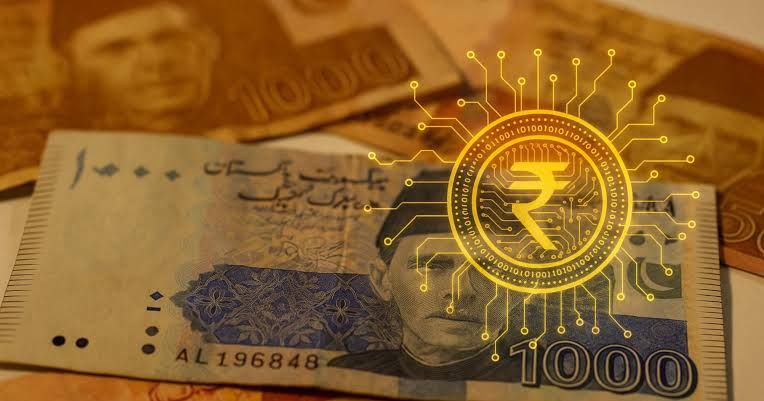
Pakistan is reportedly considering a rupee-backed stablecoin as part of a broader push to modernize payments, improve remittances, and expand financial access under emerging crypto rules. Coverage of the story cites banking-sector comments from the Sustainable Development Policy Institute conference, where Pakistan Banks Association President Zafar Masud said the country could capture as much as $20 billion to $25 billion in crypto-related economic opportunity if regulation keeps pace. The policy context is that Pakistan is moving toward a more formal digital-asset framework, including a Virtual Assets Ordinance 2025 and a newly established Pakistan Virtual Asset Regulatory Authority (PVARA) to license and supervise crypto businesses. Reports also say the State Bank of Pakistan is working on a central bank digital currency (CBDC) prototype with support from the World Bank and IMF, suggesting the rupee stablecoin idea sits alongside broader state-backed digital payments planning rather than as a standalone project. Why it matters is that Pakistan has a large unbanked population and high remittance reliance, so a regulated local-currency stablecoin could lower transaction frictions and broaden access to digital finance if implemented effectively. The story has also drawn extra attention because Pakistan has risen in global crypto adoption rankings, and local and international crypto firms are positioning themselves for the market as licensing opens up.

AI-generated background, compiled from web sources — not editorial content.

More coverage

Explore the topic

More on Stablecoin Payments

Comments