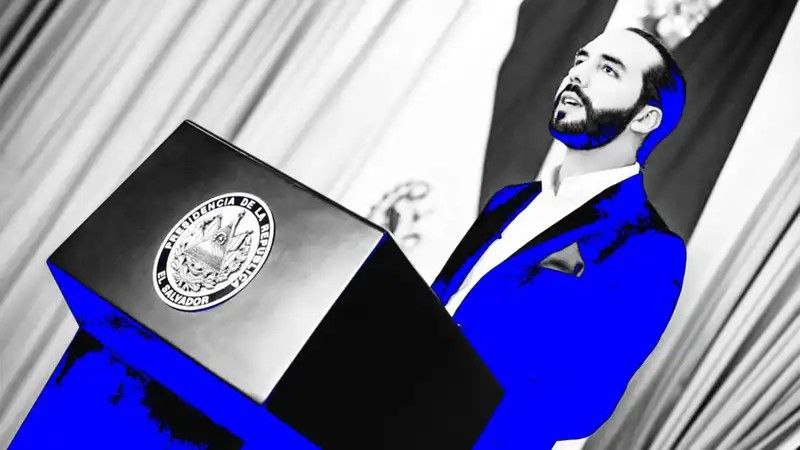
El Salvador’s government has disclosed a record purchase of roughly 1,090 BTC (about $100 million) during a recent bitcoin price dip, but the move is drawing scrutiny over whether it conflicts with the country’s $1.4 billion IMF loan program, which restricts new public‑sector bitcoin acquisitions. The Bitcoin Office said the buy was executed in a single transaction and brings El Salvador’s reported holdings to about 7,474 BTC, while President Nayib Bukele continues to promote a strategy of accumulating bitcoin as a long‑term reserve asset. The controversy centers on conditions attached to El Salvador’s IMF Extended Fund Facility, which require limiting public‑sector engagement with bitcoin, including a commitment not to use public funds for new government bitcoin purchases and to curb risks from the original “Bitcoin law.” IMF documentation emphasizes that acceptance of bitcoin must be voluntary, that the state’s role in the bitcoin project should be reduced, and that the government’s crypto holdings should not expand in a way that heightens financial and balance‑sheet risk. Against that backdrop, large new additions to the national bitcoin treasury raise questions over whether they are genuinely fresh market buys or a consolidation and reclassification of existing wallets, a distinction that Salvadoran officials and the IMF have previously used to argue that headline “purchases” do not breach the program’s terms. The episode matters because it tests how far El Salvador can pursue a bitcoin‑centric reserve strategy while under an IMF program designed to stabilize its finances and reduce crypto‑related risk. Persistent accumulation of bitcoin could complicate disbursement of future IMF tranches if Fund staff determine the government is not adhering to agreed limits, potentially affecting debt sustainability, investor confidence, and El Salvador’s broader experiment of using bitcoin as a state‑level asset even after scaling back its role as legal tender. The outcome will be closely watched by other highly indebted countries considering digital assets in their reserve mix, as it may set a precedent for how the IMF responds when member states push against crypto‑related conditionality.

AI-generated background, compiled from web sources — not editorial content.

More coverage

Explore the topic

More on Loan Agreement

Comments