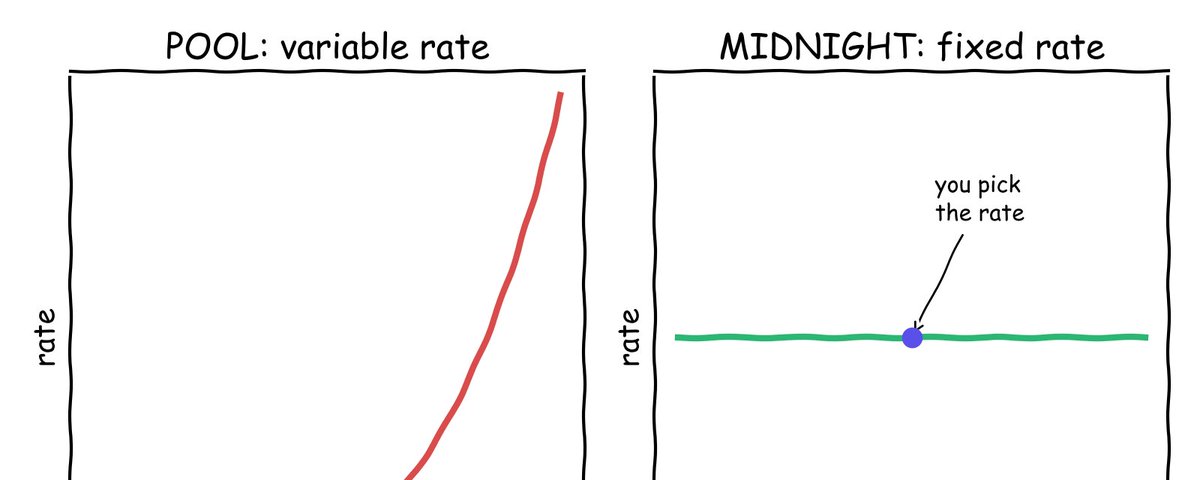
The post from the research account Baseline Markets argues that the economics of launching a new crypto token are increasingly unfavorable for founders because of how centralized exchanges, market makers, and liquidity incentive programs are structured. According to this view, high listing fees, expensive or dilutive market‑making agreements, and aggressive liquidity mining or incentive schemes collectively create strong net sell pressure on new tokens and continually extract value from projects rather than supporting sustainable markets. In practice, many centralized exchanges charge substantial listing or “marketing” fees and require projects to fund market‑making mandates or liquidity commitments, often via token allocations that market makers can systematically monetize over time. At the same time, exchanges and protocols commonly run liquidity mining programs, maker‑rebate schemes, and VIP or market‑maker tiers that reward high‑volume traders with fee discounts or rebates, encouraging frequent trading and systematic liquidity provision. While these mechanisms can deepen order books and reduce spreads, they also tend to favor well‑capitalized professional firms and can lead to persistent sell‑side flow when market makers and incentive farmers realize and distribute their rewards into the market. The critique highlighted by Baseline Markets is that this microstructure shifts economic power away from token issuers and toward exchanges and market‑making firms, turning token launches into capital‑raising events for intermediaries rather than mechanisms to build long‑term aligned communities. For founders, this can mean a large upfront cash or token outlay to secure listings and liquidity, ongoing pressure to fund incentives, and difficulty sustaining price and treasury health once initial hype fades. For market structure observers, the discussion connects to broader debates about whether current crypto exchange incentives, no‑fee or rebate models, and liquidity mining schemes genuinely improve “market quality” or instead create extractive dynamics that resemble a tax on new projects.

AI-generated background, compiled from web sources — not editorial content.

More coverage

Explore the topic

More on Liquidity Incentives

Comments