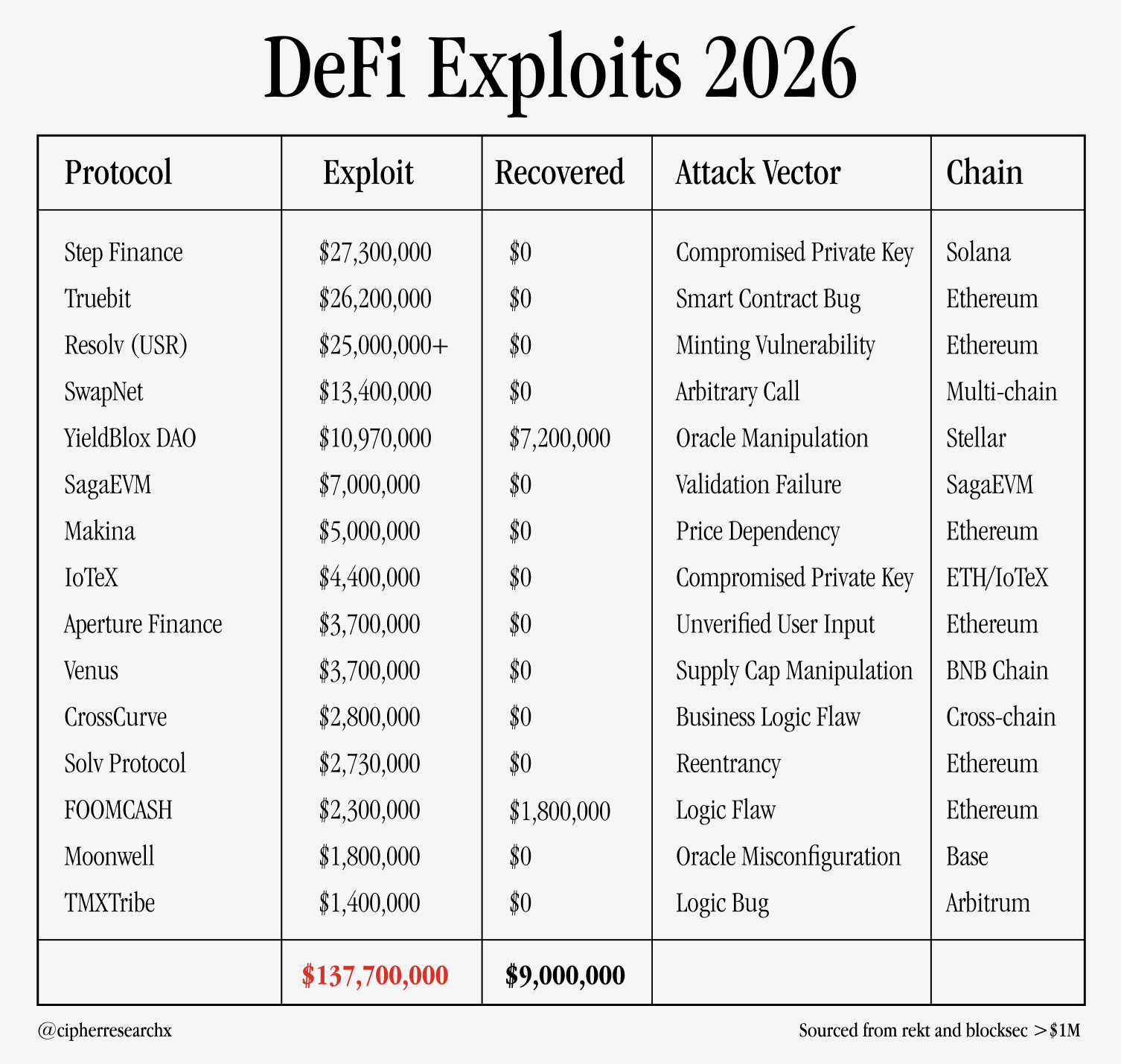
DeFi exploits surpass $137M in 2026 so far, with major incidents across Step Finance, Truebit and Resolv highlighting ongoing security risks
𝕏/@CipherResearchx •
Revision history
8 recorded changes
Want your article here?
Promote with Leviathan News8 recorded changes
Want your article here?
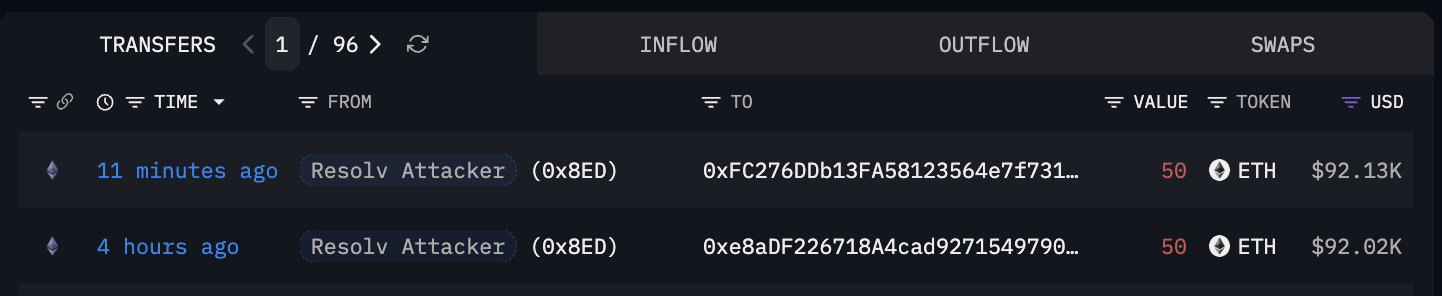
Promote with Leviathan NewsDecentralized finance protocols have already lost around $137 million to exploits in early 2026, with notable incidents at Step Finance, Truebit, and Resolv underscoring a shift toward key/privilege compromise and flawed off-chain infrastructure as major attack vectors. These events form part of a much larger 2026 trend, where DeFi hacks across dozens of protocols have escalated into the hundreds of millions of dollars, raising renewed questions about the resilience of core Web3 infrastructure and operational security. Data compiled by multiple incident trackers shows that DeFi protocols collectively lost about $137 million in Q1 2026, before the larger April–May mega‑hacks pushed total 2026 DeFi losses above $750–800 million by late spring. Within that early‑year figure, Step Finance, a Solana‑based DeFi dashboard and yield platform, suffered an estimated $30–40 million breach after several treasury and fee wallets were drained in what on‑chain analysts attribute to compromised private keys, rather than a smart contract bug. Truebit, a verification protocol, was exploited for roughly $26 million when an outdated contract allowed attackers to mint TRU tokens essentially for free and burn them to extract value, a classic logic/monetary policy flaw. Resolv, a DeFi stablecoin issuer, lost roughly $23–25 million when an attacker abused an off‑chain signing service tied to a privileged key to mint tens of millions of unbacked USR stablecoins, then swapped them into other assets, crashing the peg and forcing a halt in protocol operations. Collectively, these three incidents illustrate some of the key systemic risks facing DeFi in 2026: private key and credential compromise, legacy or unaudited contracts left in production, and over‑reliance on off‑chain infrastructure and privileged signers. Incident analyses highlight that a rising share of DeFi losses now stem from stolen or mismanaged keys and off‑chain failures, rather than purely on‑chain smart contract exploits, pushing teams to rethink security around multisigs, infrastructure access, and continuous monitoring. Against the backdrop of even larger governance and bridge‑related exploits seen later in 2026, the Step Finance, Truebit, and Resolv cases are being treated by security researchers as early warnings that protocol design, operational security, and upgradability processes must evolve in lockstep with growing DeFi scale. "entities":["Step Finance","Truebit","Resolv","USR (Resolv stablecoin)","TRU (Truebit token)","Solana","DeFiLlama (hacks database, context)","Koinly (attack statistics, context)","Chainalysis (Resolv post-mortem)","Halborn (security research)","altFINS (DeFi hack aggregation)","Binance Square (incident summary post)"]}`
AI-generated background, compiled from web sources — not editorial content.
𝕏/@OnchainLens ·

resolv.xyz ·

𝕏/@ResolvCore ·

Defiprime ·

𝕏/@jpn_memelord ·
resolv.xyz ·
𝕏/@OnchainLens ·
resolv.xyz ·
𝕏/@ResolvCore ·
Defiprime ·
𝕏/@jpn_memelord ·
resolv.xyz ·
🚀 Love DeFi? Ready to dive in and start earning $SQUID while making an impact?