Deutsche Bank calls Iran war petroyuan catalyst as Tehran demands yuan for Hormuz passage
CNBC •
Revision history
4 recorded changes
Want your article here?
Promote with Leviathan News4 recorded changes
Want your article here?
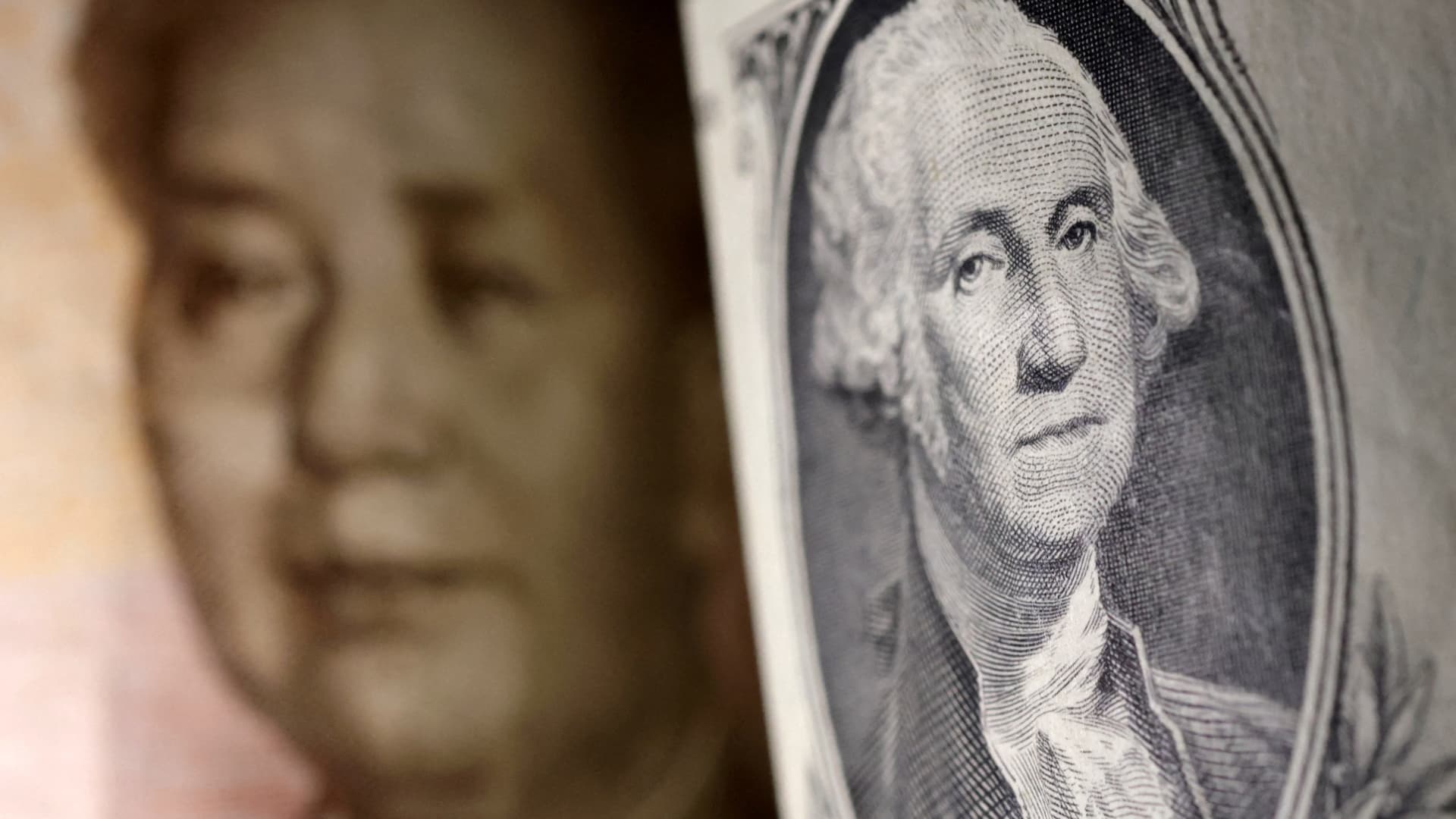
Promote with Leviathan NewsDeutsche Bank is warning that the ongoing US‑Israel conflict with Iran, and Tehran’s response in the Strait of Hormuz, could mark a pivotal moment for the decades‑old petrodollar system and accelerate the rise of a “petroyuan” order. According to a research note by Deutsche Bank strategist Mallika Sachdeva, Iran has reportedly been allowing or negotiating safe passage for oil tankers through the Strait of Hormuz only when oil payments are settled in Chinese yuan, leveraging China’s role as its largest crude buyer. The bank argues that this combination of military conflict, sanctions pressure and Iran’s control over a critical chokepoint for global oil flows is testing the dollar’s role as the default currency for energy trade in a way not seen since the petrodollar system was put in place in the 1970s. The traditional arrangement—under which key Gulf producers, especially Saudi Arabia, price oil in dollars and recycle surpluses into US assets in exchange for American security guarantees—is being questioned as Washington’s ability and willingness to secure Gulf shipping lanes is scrutinized during the Iran war. Iran’s push for yuan settlements dovetails with existing non‑dollar oil flows from sanctioned Russian and Iranian exports, much of which already trades in yuan or via China’s alternative payment rails, raising the prospect of a gradual, incremental erosion of dollar dominance rather than an abrupt regime change. Deutsche Bank stops short of predicting a collapse of the dollar’s reserve status, but frames the Iran conflict as a “catalyst” that could accelerate diversification of energy settlement into multiple currencies, with the yuan gaining share in Asia‑bound oil trade. Analysts highlight that if more oil revenues shift out of dollars, Gulf states could, over time, reduce dollar‑denominated savings and US asset purchases, with potential implications for US funding costs and global financial markets. For crypto and broader macro markets, the episode is being watched as an indicator of how geopolitical shocks can drive experiments in alternative settlement currencies and payment systems, including China’s CIPS network and, at the margin, digital currency rails. "entities":["Deutsche Bank","Mallika Sachdeva","Iran","Islamic Republic of Iran","Strait of Hormuz","United States","US-Israel war on Iran","China","Chinese yuan (CNY)","petrodollar","petroyuan","Saudi Arabia","Gulf states","Russia","CNPC (China National Petroleum Corporation)","CIPS (Cross-Border Interbank Payment System)","Bloomberg","Middle East Eye","CNBC"]}`
AI-generated background, compiled from web sources — not editorial content.
Loading related coverage…
The Block ·
elliptic.co ·

Coindesk ·
Coindesk ·
Financefeeds ·
Bloomberg ·
The Block ·
elliptic.co ·
Coindesk ·
Coindesk ·
Financefeeds ·
Bloomberg ·
🚀 Love DeFi? Ready to dive in and start earning $SQUID while making an impact?