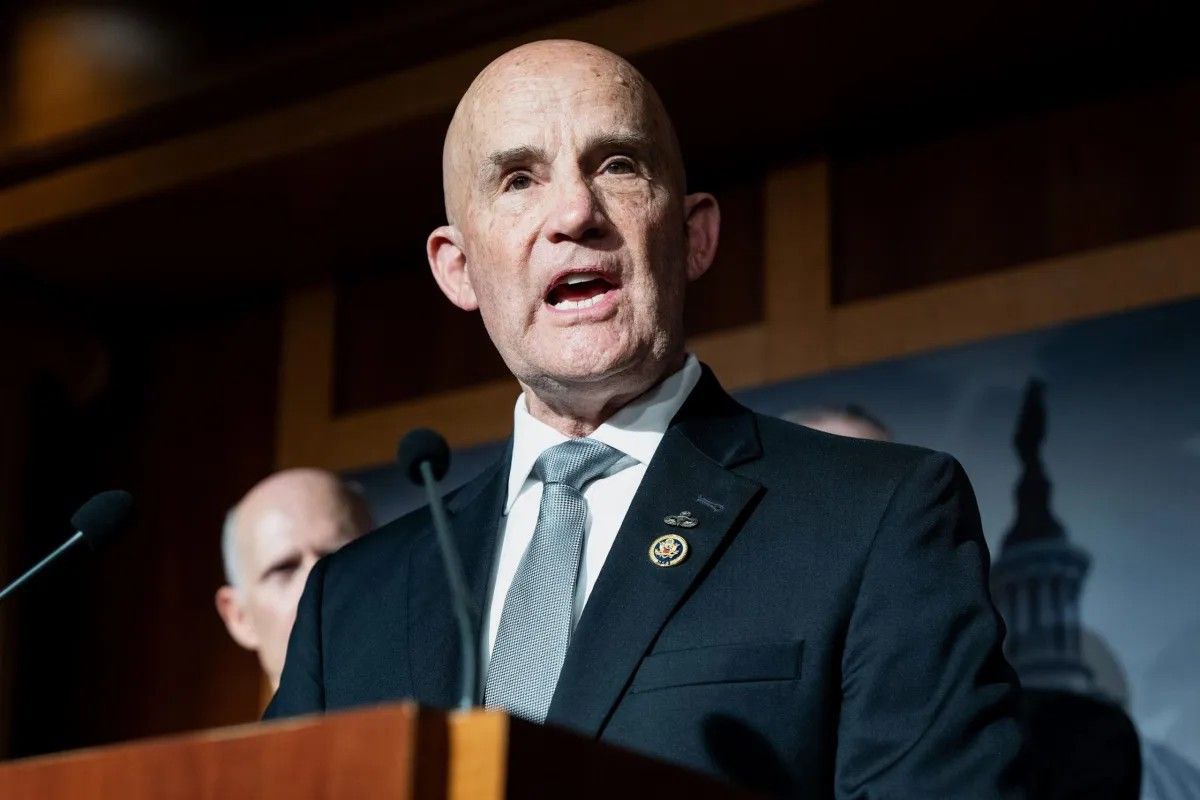
Representative Keith Self, a Republican from Texas, has moved to insert an explicit ban on a U.S. central bank digital currency (CBDC) into the Fiscal Year 2026 National Defense Authorization Act (NDAA), after conservative members were told such language would be included in the base bill but later found it missing. Self announced he had submitted an amendment titled the “Anti-CBDC Surveillance State” amendment, arguing that a Federal Reserve–issued digital dollar would threaten Americans’ financial privacy and enable government surveillance and control over lawful transactions. He framed the effort as correcting “broken promises” by GOP leadership and said the House Rules Committee would determine whether his proposal would receive a vote on the House floor. The move reflects a broader intra-Republican clash over CBDCs, as many conservatives and some libertarian-leaning lawmakers have positioned themselves firmly against a U.S. digital dollar on civil liberties grounds, warning it could be used to monitor or restrict spending, freeze accounts, or enforce political or social agendas. Advocacy against CBDCs has become a recurring theme in Republican policy debates and campaign rhetoric, with opponents claiming that a government-run digital currency would represent an “ultimate threat to financial privacy” and a step toward a “surveillance state.” By tying the issue to the NDAA—must-pass defense legislation—Self and allies are attempting to leverage national security and legislative urgency to force a vote on CBDC restrictions and to hold party leadership to prior commitments.

AI-generated background, compiled from web sources — not editorial content.

More coverage

Explore the topic

More on Privacy

Comments