Judge rebukes Tornado Cash prosecutor at Roman Storm hearing, weighs acquittal on all counts

DL News •
Revision history
4 recorded changes
Want your article here?
Promote with Leviathan News4 recorded changes
Want your article here?
Promote with Leviathan NewsA key post-trial hearing in the Tornado Cash criminal case focused on whether the government proved that co‑founder Roman Storm committed any crime by developing and maintaining the privacy protocol, and whether the case even belongs in a New York federal court. Judge Katherine Polk Failla repeatedly challenged the prosecution’s theories, rebuking the lead prosecutor over venue and evidentiary gaps as she considered Storm’s motion for acquittal on all counts following a mixed jury verdict last year. Storm was indicted in 2023 alongside fellow Tornado Cash co‑founder Roman Semenov for conspiracy to commit money laundering, conspiracy to violate U.S. sanctions, and conspiracy to operate an unlicensed money transmitting business, based on allegations that the non‑custodial mixer laundered over $1 billion in criminal proceeds, including funds tied to North Korea’s Lazarus Group. A Manhattan jury later convicted Storm only on the unlicensed money‑transmitting conspiracy, deadlocking on the more serious money‑laundering and sanctions‑evasion counts, leaving the court to decide whether that remaining conviction and the unresolved counts can stand. At the hearing, Storm’s lawyers argued there was no proof he controlled user funds or intended criminal use of Tornado Cash, framing his role as software development protected by existing FinCEN guidance on non‑custodial tools, while the government maintained that his ongoing operation and promotion of the service made him responsible for its use by sanctioned actors. The stakes extend beyond Storm’s individual liability to the broader question of when open‑source developers of non‑custodial protocols can be treated as operators of regulated financial services. Judge Failla’s skepticism—particularly about whether maintaining or upgrading smart contracts can constitute money transmission or sanctions conspiracy, and whether SDNY is the proper venue—raises the possibility of an across‑the‑board acquittal or a sharply narrowed case. Any ruling will help define the legal boundary between software publication and financial intermediation in U.S. law, with major implications for crypto privacy tools, DeFi developers, and future DOJ enforcement strategies.
AI-generated background, compiled from web sources — not editorial content.
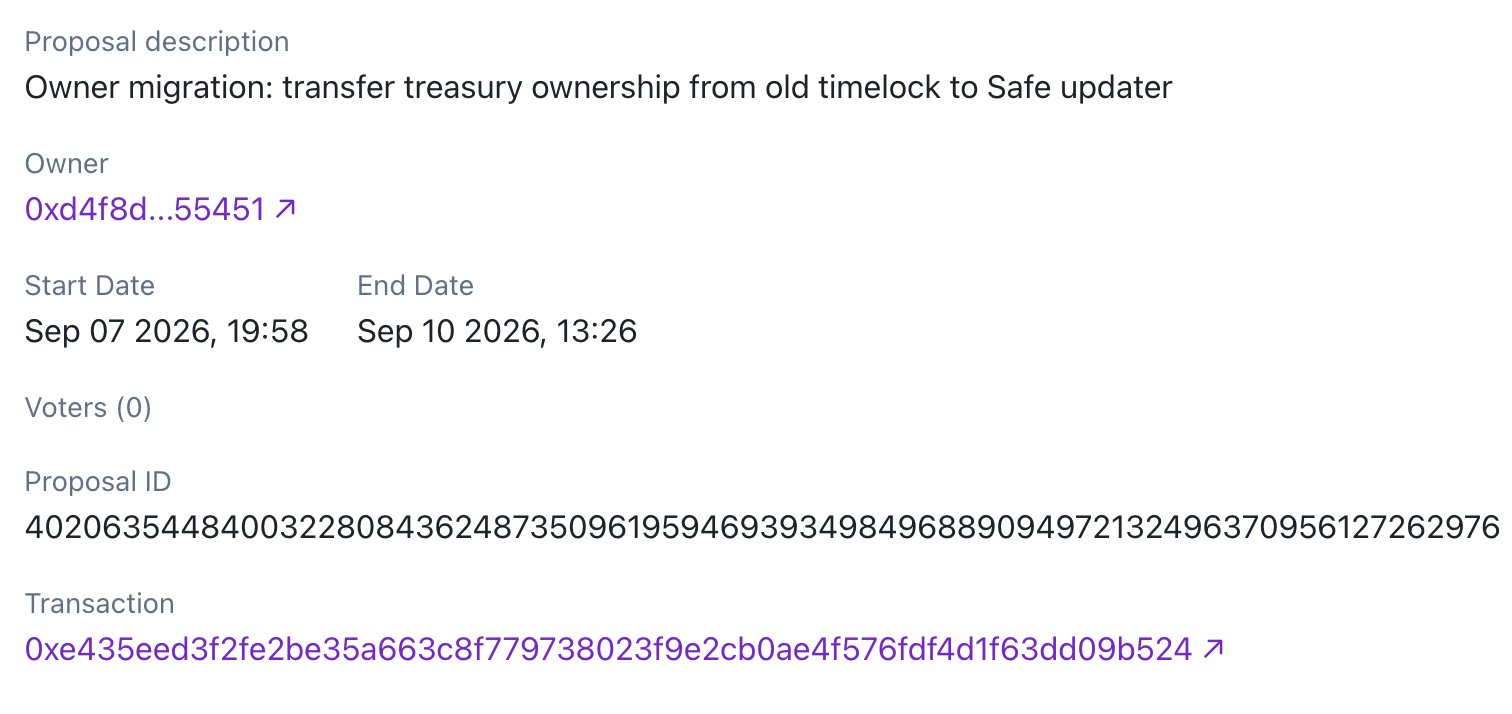
𝕏/@DefimonAlerts ·
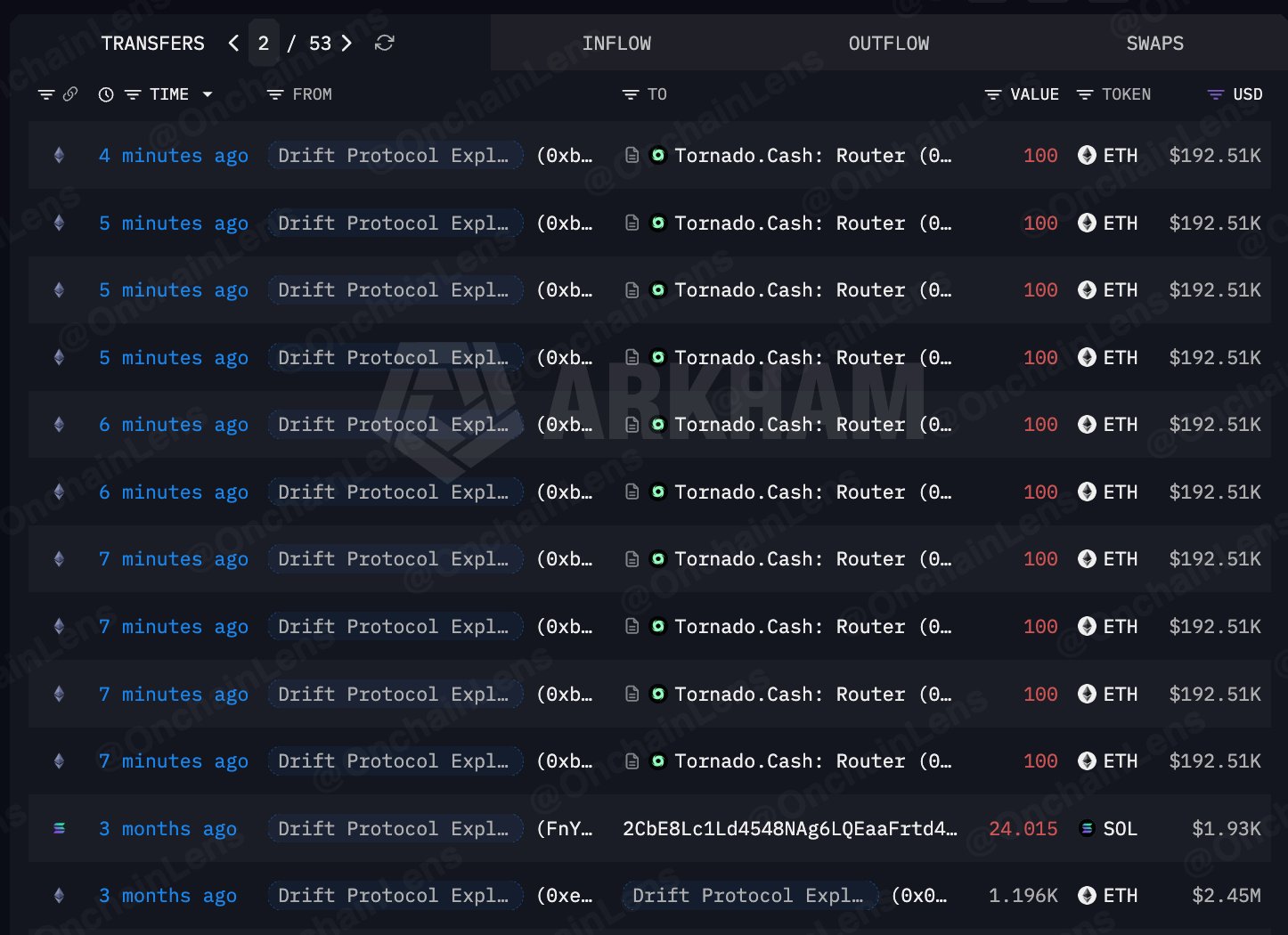
𝕏/@OnchainLens ·

𝕏/@officer_secret ·
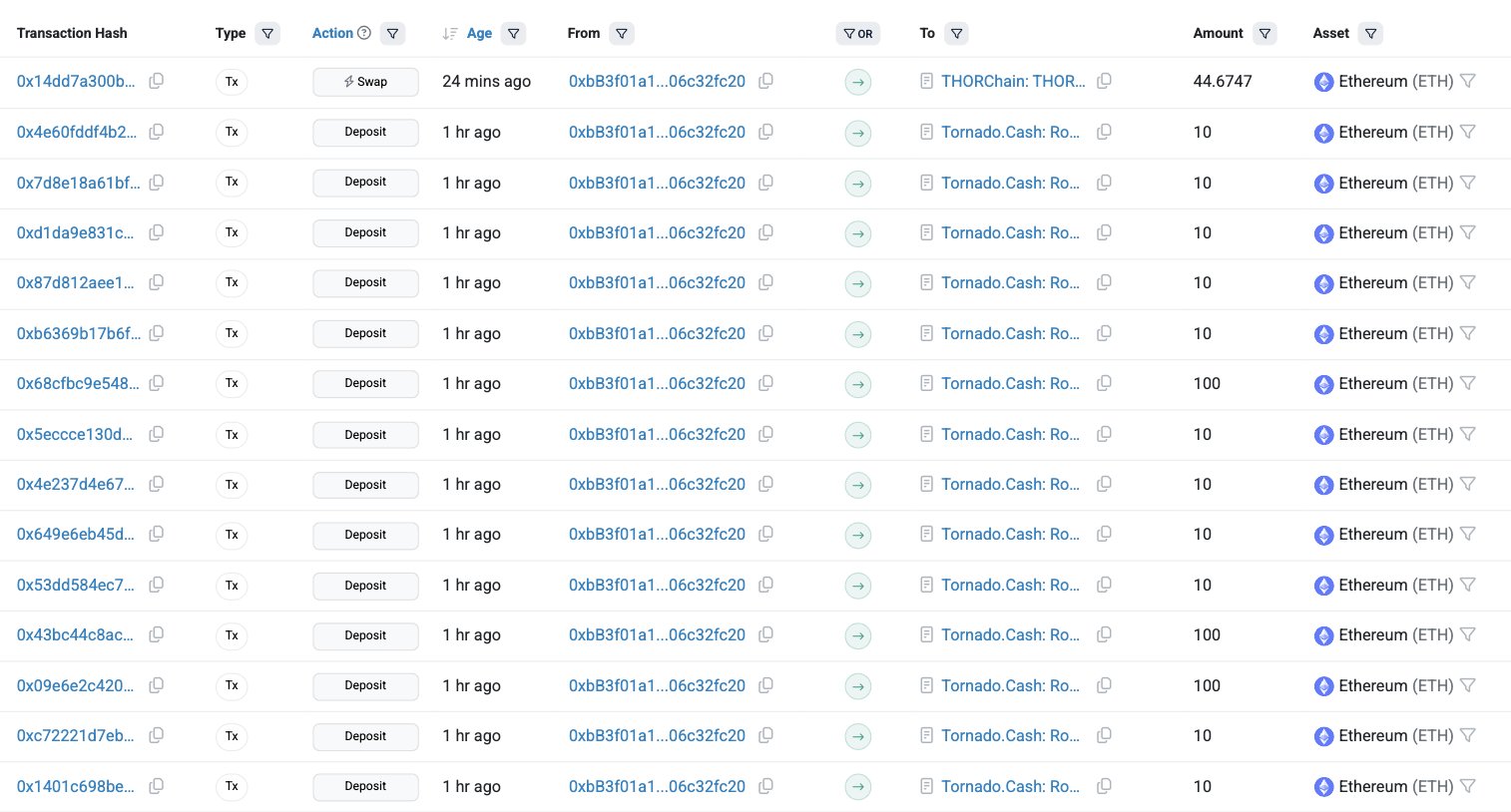
𝕏/@PeckShieldAlert ·
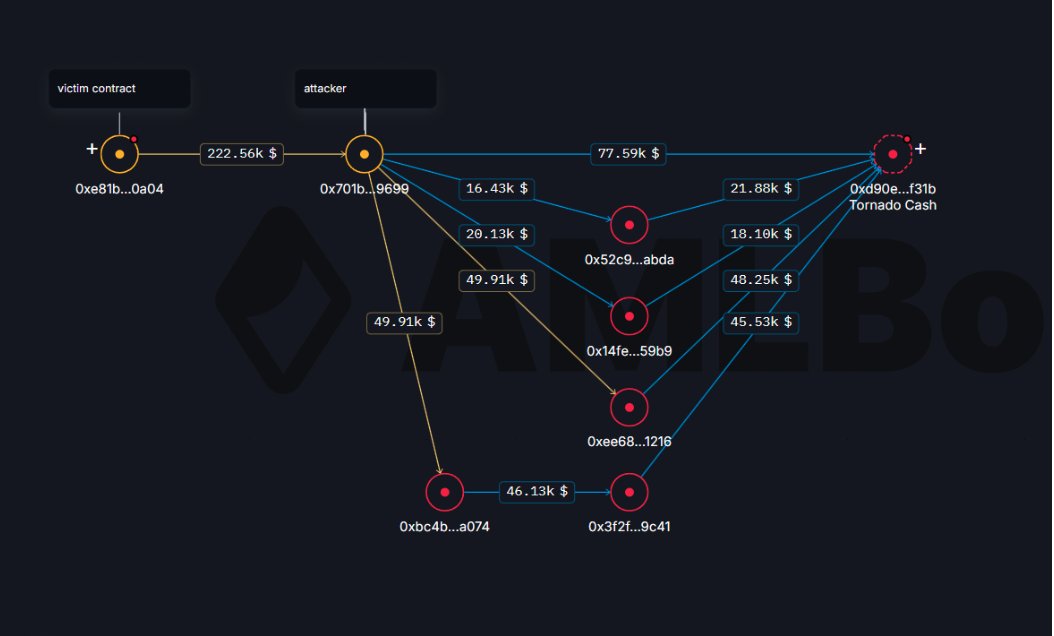
𝕏/@AMLBotHQ ·

𝕏/@PeckShieldAlert ·
𝕏/@DefimonAlerts ·
𝕏/@OnchainLens ·
𝕏/@officer_secret ·
𝕏/@PeckShieldAlert ·
𝕏/@AMLBotHQ ·
𝕏/@PeckShieldAlert ·
🚀 Love DeFi? Ready to dive in and start earning $SQUID while making an impact?