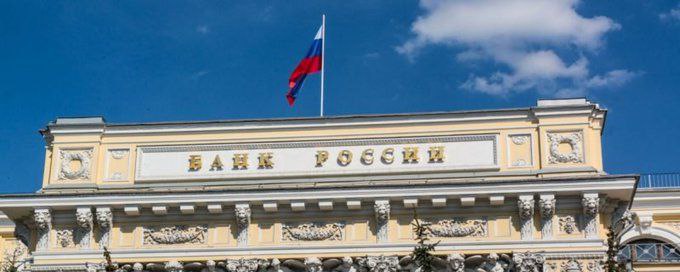
The Bank of Russia has proposed a new cryptocurrency framework that would legalize crypto trading for both qualified and non-qualified investors through licensed intermediaries, while keeping crypto banned for domestic payments and subject to tax reporting and oversight. Under the concept, non-qualified investors could buy only selected liquid cryptoassets after passing a test and within a yearly cap of 300,000 rubles per intermediary, while qualified investors would face fewer limits but still need to demonstrate risk awareness. The proposal marks another step in Russia’s shift from fragmented crypto rules toward a formal market structure. The central bank says the related legal amendments should be drafted by 1 July 2026, with broader liability rules for illicit intermediary activity planned from 1 July 2027; multiple reports indicate the framework would run through existing licensed infrastructure such as exchanges, brokers, trustees, and exchange offices. The issue matters because Russia is trying to open regulated access to crypto while preserving state control over payments, and because the rules could reshape how residents, institutions, and cross-border users access digital assets in the country.

AI-generated background, compiled from web sources — not editorial content.

More coverage

Explore the topic

More on Media

Comments