A looming Supreme Court ruling on Learning Resources v. Trump could overturn emergency tariffs that generated over $200B in duties, putting $100B+ in revenue and potential importer refunds at risk as markets turn cautious and crypto trades sideways.

A looming Supreme Court ruling on Learning Resources v. Trump could overturn emergency tariffs that generated over $200B in duties, putting $100B+ in revenue and potential importer refunds at risk as markets turn cautious and crypto trades sideways.
crypto.news
Revision history

3 recorded changes

Want your article here?

Promote with Leviathan News
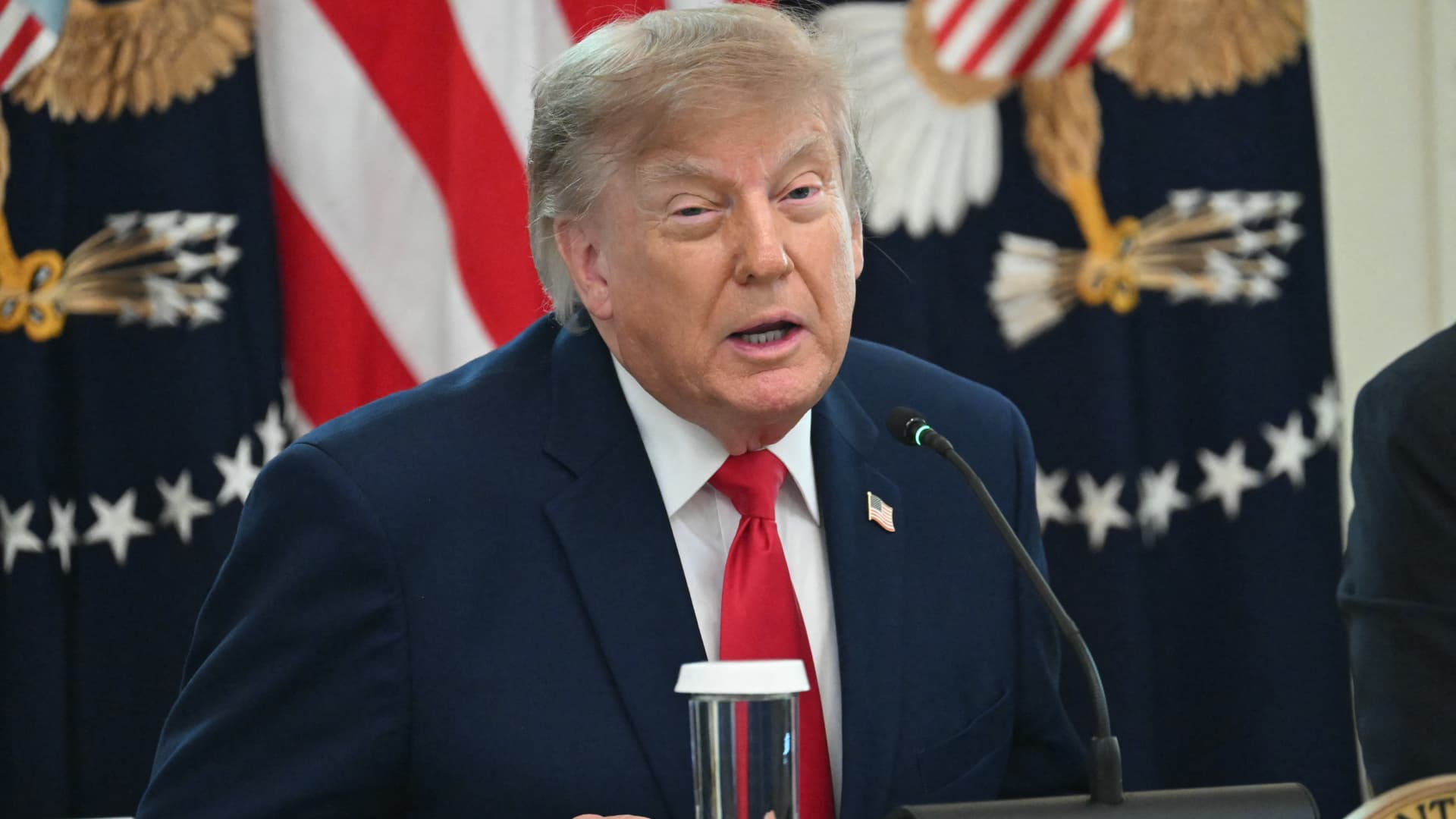

The story centers on the U.S. Supreme Court’s Learning Resources, Inc. v. Trump decision, which held that Donald Trump’s administration lacked authority under the International Emergency Economic Powers Act (IEEPA) to impose a suite of emergency tariffs, including so‑called fentanyl and reciprocal tariffs. The Court ruled 6–3 that IEEPA’s power to “regulate” importation during a national emergency does not extend to imposing tariffs—treated as a form of taxation—which the Constitution reserves to Congress absent a clear, explicit delegation. This ruling effectively invalidates a large block of IEEPA‑based duties imposed in 2025–26, creating exposure for more than $200 billion in total tariffs and an estimated $100–175 billion in potential importer refund claims, depending on how Customs and lower courts administer the decision. The dispute began when Learning Resources, Inc. and other import‑dependent firms challenged emergency tariffs introduced via Trump executive orders, arguing the measures would multiply their import costs and lacked statutory basis. Lower courts had already questioned the legality of these tariffs, and the Supreme Court ultimately agreed, using the major questions doctrine to emphasize that decisions of “vast economic and political significance” require clear congressional authorization before the executive can act. For traditional markets, the ruling injects uncertainty about future U.S. trade policy, corporate earnings, and global supply chains, as companies weigh refund strategies and the prospect of Congress having to design any replacement tariff regime. In crypto markets, commentators link the decision to a broader risk‑off mood: traders are watching how macro policy volatility, shifting trade flows, and potential knock‑on effects on growth and inflation could influence liquidity conditions and risk appetite, contributing to the current period of relatively sideways digital‑asset price action. ""Key entities""

AI-generated background, compiled from web sources — not editorial content.

More coverage

Explore the topic

More on Trump

Comments