Taiwan takes major step toward national Bitcoin reserve as legislator briefs top officials
prnewswire •
Revision history
9 recorded changes
Want your article here?
Promote with Leviathan News9 recorded changes
Want your article here?
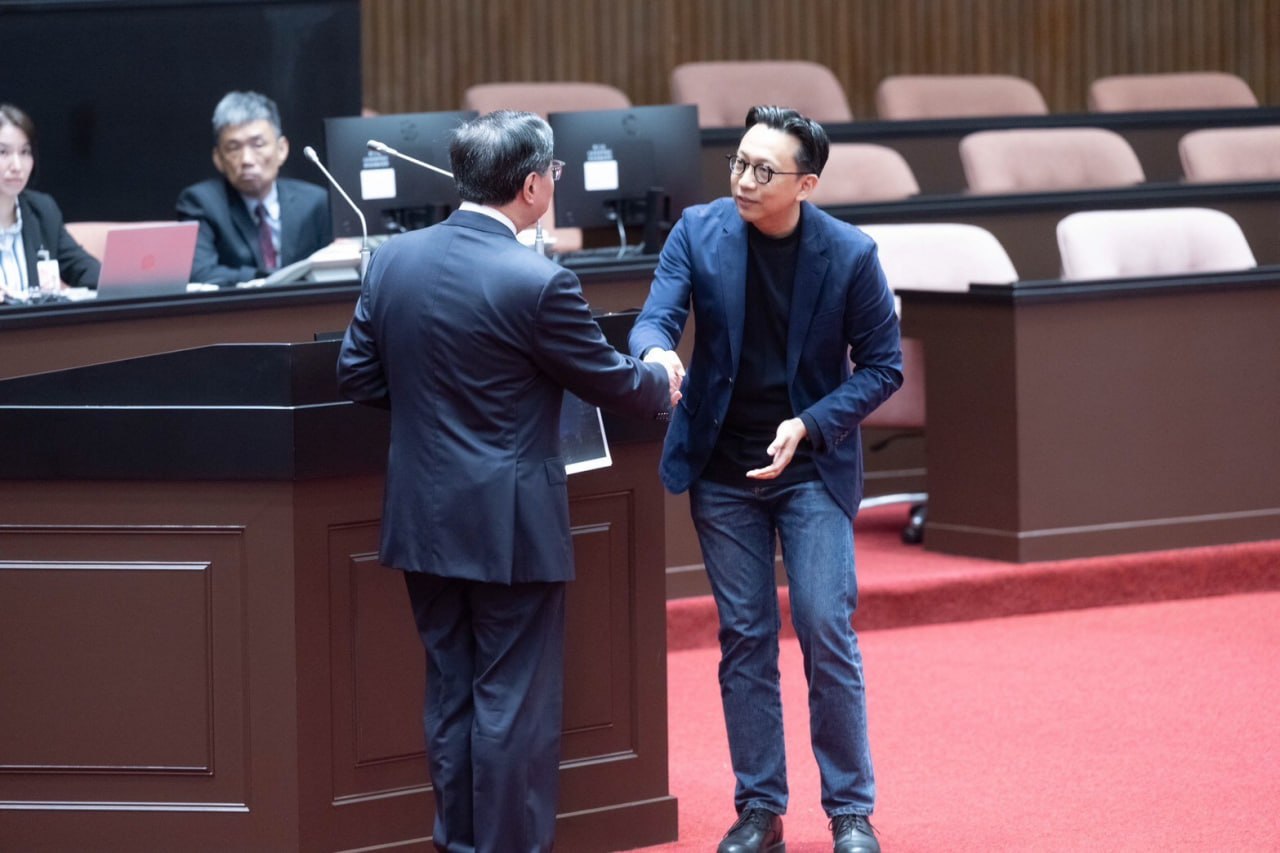
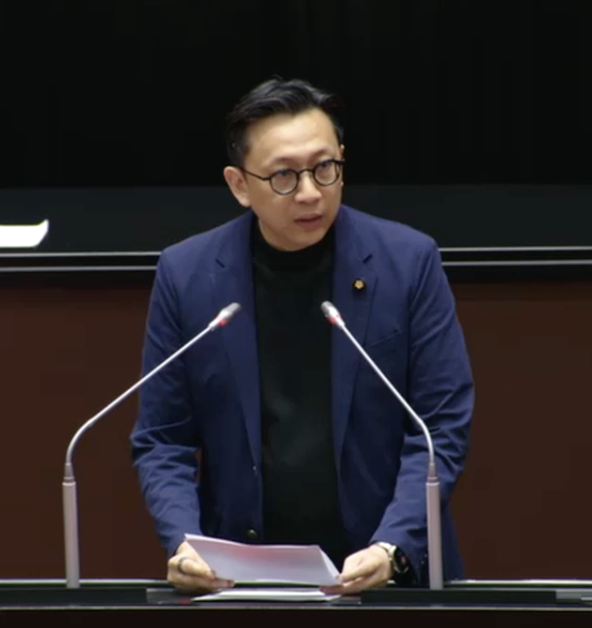
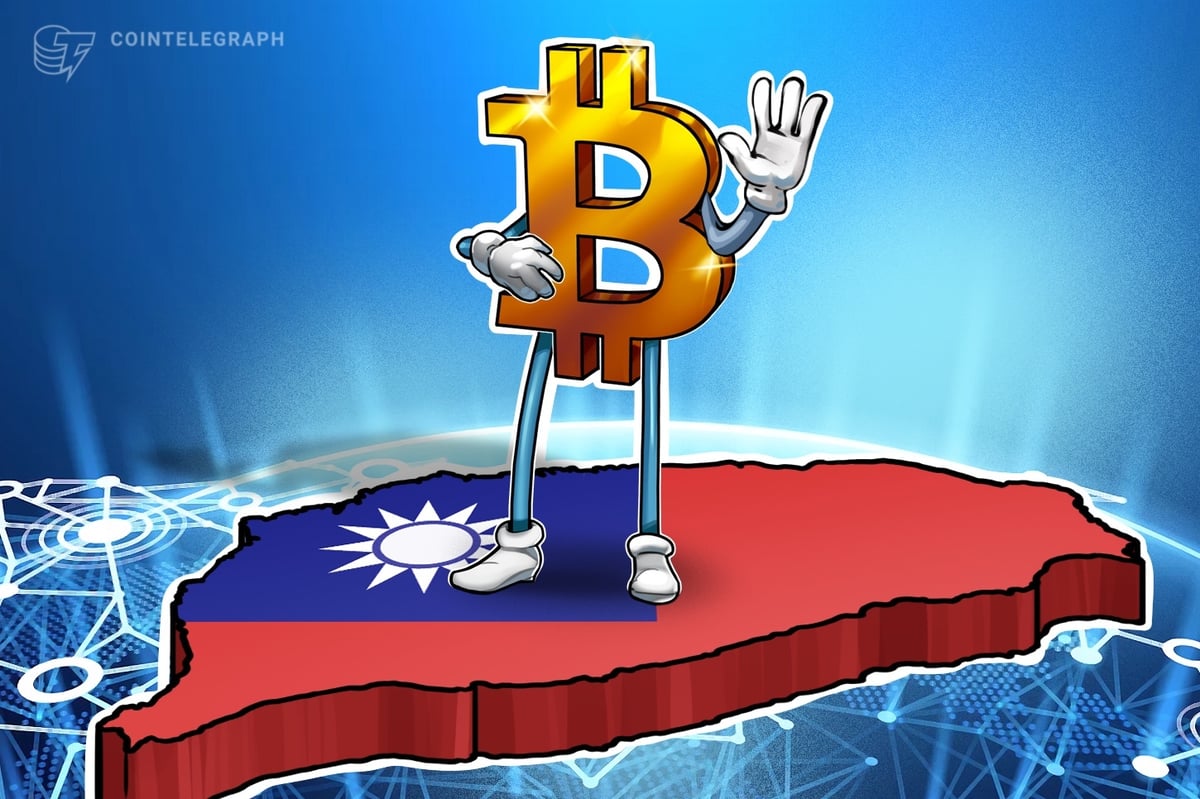
Promote with Leviathan NewsTaiwanese lawmaker Dr. Ko Ju‑Chun has formally pushed the idea of a national Bitcoin reserve into the center of Taiwan’s economic and security debate by delivering a detailed policy report to the country’s top executive and monetary authorities. During an April 29, 2026 interpellation session in the Legislative Yuan, Ko handed Premier Cho Jung‑tai and Central Bank of China (Taiwan) Governor Yang Chin‑long a Bitcoin Policy Institute (BPI) report recommending that Taiwan consider allocating part of its roughly $602 billion in foreign exchange reserves into Bitcoin as a strategic national asset. The move does not create a Bitcoin reserve yet, but it represents a significant procedural step: it is the first time such a proposal, backed by external research, has been formally presented to Taiwan’s head of government in a legislative setting. The BPI report, authored by BPI fellow Jacob Langenkamp and published in March 2026, argues that Taiwan’s reserve portfolio—over 80% of which is reportedly held in U.S. dollar–denominated assets—is overly concentrated and exposed to risks such as currency debasement, sanctions, or disruption in a geopolitical crisis. It contends that Bitcoin could complement traditional reserves by offering censorship resistance, seizure resistance in a potential blockade scenario, and independence from any single sovereign monetary authority. Ko used the session to urge the executive branch to study reallocating a portion of reserves into Bitcoin and separately requested that the central bank produce, within one month, a new report covering stablecoins and broader digital asset reserves, signaling a broader digital-asset policy push beyond just Bitcoin. This initiative follows earlier central bank analysis in late 2025 in which the Central Bank of China (Taiwan) examined Bitcoin as a reserve asset and concluded it was unsuitable, citing volatility, liquidity, and custody concerns. Nonetheless, the bank agreed to establish a digital asset sandbox and to use 210 BTC in seized Bitcoin—already in government custody—as part of its testing program, a small but symbolic acknowledgment that Bitcoin is now a policy-relevant asset. Taken together with Ko’s broader advocacy for clearer virtual asset regulation and a possible Virtual Asset Service Provider (VASP) law, the April 29 briefing marks an incremental but notable evolution in Taiwan’s stance: from treating Bitcoin as peripheral or speculative to considering it, at least at the policy-discussion level, as a potential component of national reserves in the context of cross‑Strait security and reserve diversification. "entities":["Taiwan","Legislative Yuan (Taiwan)","Dr. Ko Ju-Chun","Premier Cho Jung-tai","Central Bank of China (Taiwan)","Yang Chin-long","Bitcoin","Bitcoin Policy Institute (BPI)","Jacob Langenkamp","U.S. dollar (USD)","stablecoins","Virtual Asset Service Provider (VASP) law","Bitcoin reserve","foreign exchange reserves","TradingView / Coinpedia coverage","210 BTC seized assets"]}`
AI-generated background, compiled from web sources — not editorial content.

𝕏/@AppWorks ·
𝕏/@TheBlockCo ·

𝕏/@RayDalio ·

Globenewswire ·
CoinTelegraph ·

archive.is ·
𝕏/@AppWorks ·
𝕏/@TheBlockCo ·
𝕏/@RayDalio ·
Globenewswire ·
CoinTelegraph ·
archive.is ·
🚀 Love DeFi? Ready to dive in and start earning $SQUID while making an impact?