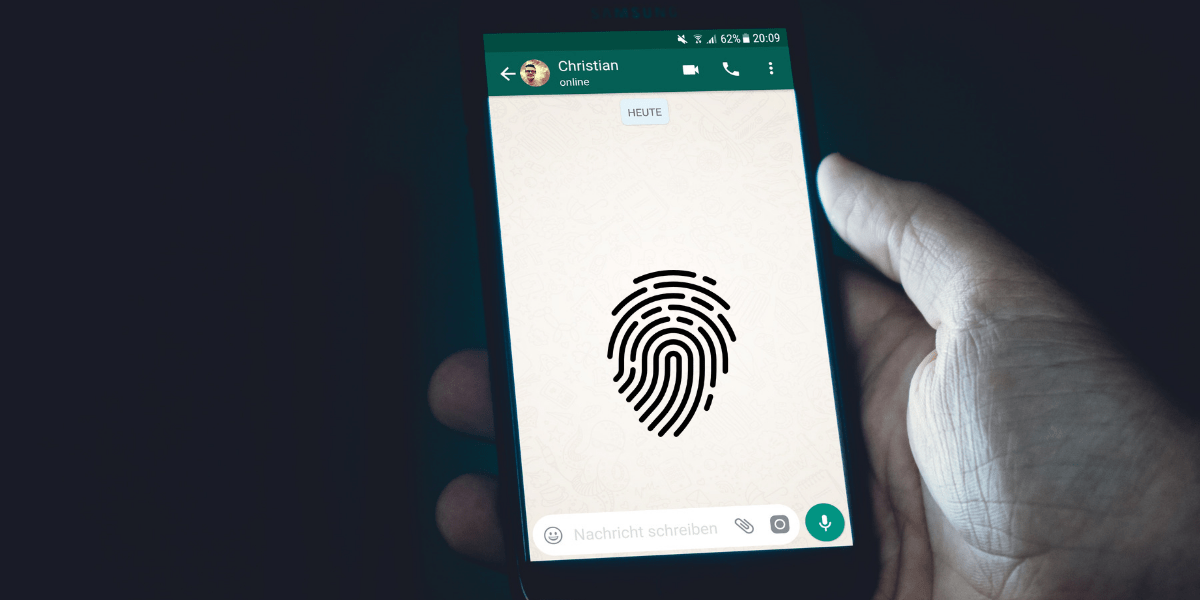
WhatsApp privacy concerns deepen as it leaks users' device and operating system details, increasing potential for targeted attacks.
Medium •
Revision history
3 recorded changes
Want your article here?
Promote with Leviathan News3 recorded changes
Want your article here?
Promote with Leviathan NewsSecurity researchers have disclosed that WhatsApp’s implementation of its messaging protocol leaks detailed information about users’ device type and operating system, raising concerns over user fingerprinting and targeted attacks. The issue, documented by cybersecurity researcher Tal Be’ery, stems from how WhatsApp embeds device- and OS-specific metadata into protocol messages, which can be inferred or directly observed by communication partners and, in some cases, by network observers. This goes beyond basic presence information and can include whether a user is on iOS or Android, the specific OS version, and device family, effectively acting as a stable fingerprint across sessions. The concern is not that WhatsApp’s end-to-end encryption is broken—the content of messages remains encrypted—but that this side-channel metadata can be exploited to profile users and improve the precision of attacks. Knowing a contact’s exact OS and version allows an attacker to tailor malware, phishing, or exploit chains to known vulnerabilities on that platform, increasing the likelihood of compromise. It also expands the broader privacy debate around WhatsApp and Meta: even when message content is protected, accumulated metadata (including device details, account discovery information, and profile data exposed in other flaws) can significantly erode user anonymity and security. Researchers argue that minimizing such extraneous metadata and standardizing or obfuscating client fingerprints would reduce these risks, and the disclosure adds to mounting scrutiny over how large messaging platforms handle non-content data.
AI-generated background, compiled from web sources — not editorial content.
𝕏/@PrivacyBoost ·
Aboutsignal ·

𝕏/@toma_adv ·

starknet.io ·

Defillama ·

decrypt.co ·
𝕏/@PrivacyBoost ·
Aboutsignal ·
𝕏/@toma_adv ·
starknet.io ·
Defillama ·
decrypt.co ·
🚀 Love DeFi? Ready to dive in and start earning $SQUID while making an impact?