$ASF and $USDaf Have Entered The Chat - with Asymmetry Finance
Replay
Click to load the YouTube player. YouTube will set its own cookies once loaded.
Youtube •
Revision history
3 recorded changes
Want your article here?
Promote with Leviathan NewsClick to load the YouTube player. YouTube will set its own cookies once loaded.
3 recorded changes
Want your article here?
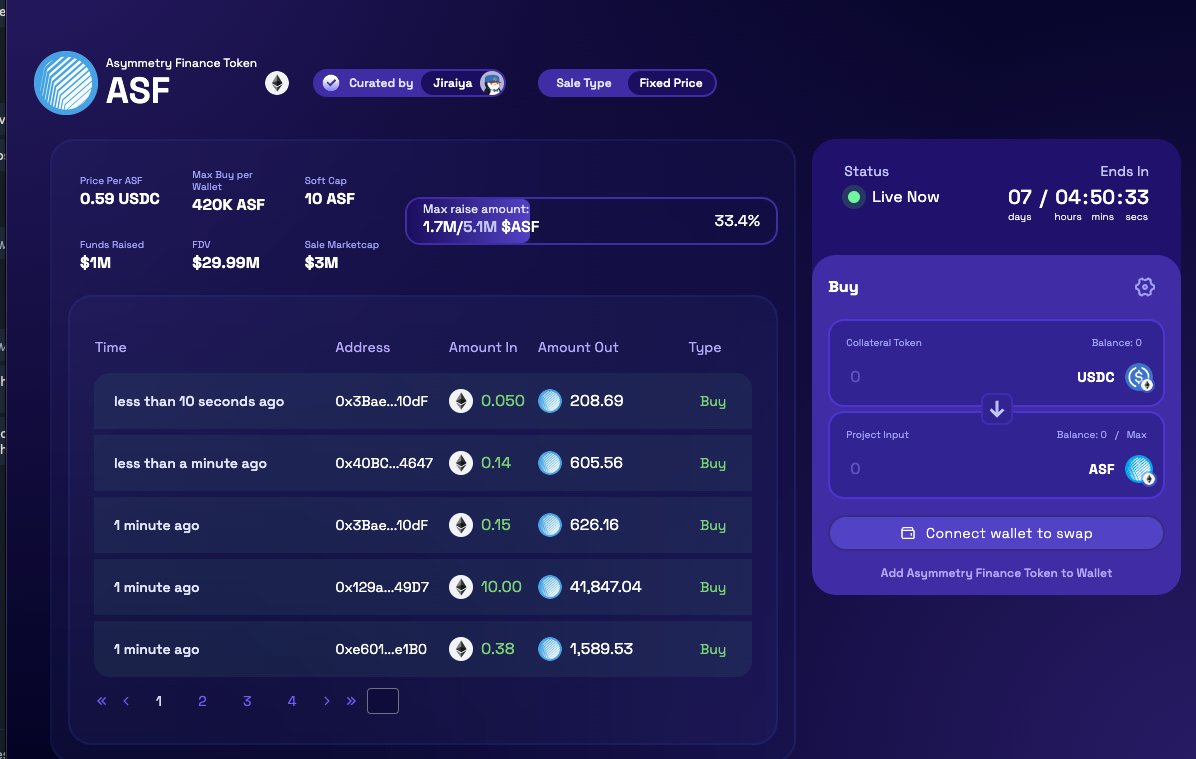
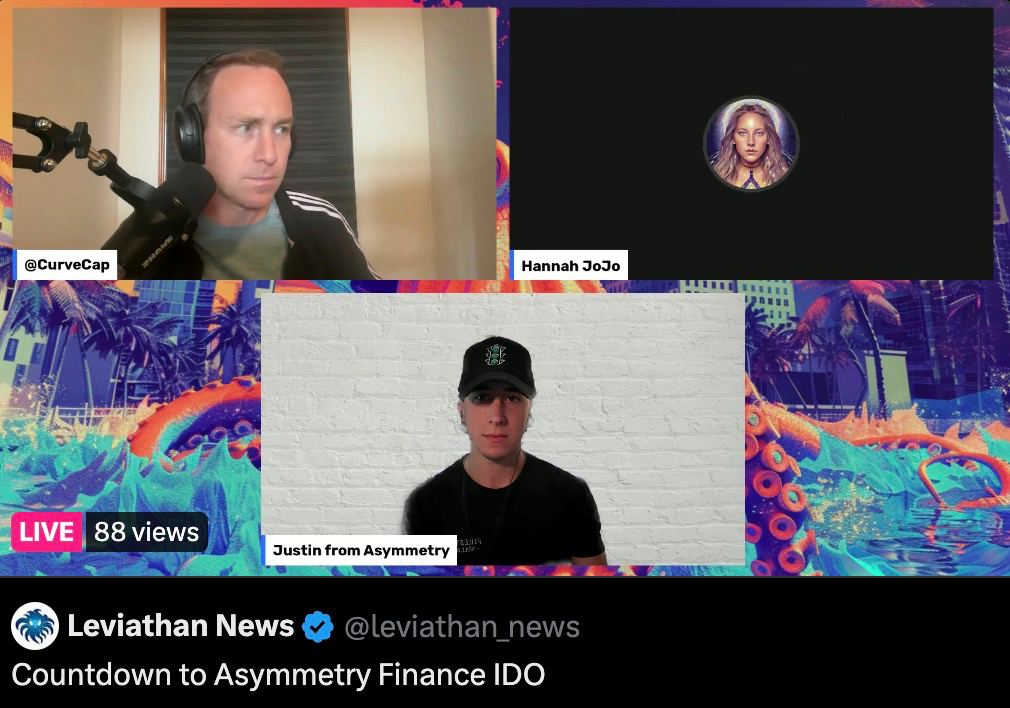
Promote with Leviathan NewsThe video “$ASF and $USDaf Have Entered The Chat - with Asymmetry Finance” features Asymmetry Finance team members explaining the launch and design of their native governance token ASF and their synthetic dollar product USDaf, and how these components fit into the protocol’s broader DeFi strategy. Asymmetry Finance positions itself as a DeFi platform focused on borrowing and stablecoin infrastructure; ASF is the protocol’s governance and incentive asset, while USDaf is described as a high-yield, lower-risk synthetic dollar built on a collateralized debt position (CDP) model inspired by MakerDAO’s DAI and Ethena’s yield architecture. In the discussion, the team outlines how ASF holders can lock tokens to gain governance power over products like USDaf and other Asymmetry vaults, including control over parameters, incentives, and revenue flows in the ecosystem. USDaf is presented as Asymmetry’s flagship borrowing and stablecoin product: a CDP-based synthetic dollar where users borrow USDaf against collateral such as BTC and yield-bearing stablecoins at fixed interest rates that they can customize. The team emphasizes risk management and peg stability by drawing on MakerDAO’s long-running CDP model, while targeting higher yields in line with newer designs like Ethena, aiming to offer a “less risky” complement to higher-volatility DeFi yield strategies. Protocol documentation and community forums indicate that USDaf has become a key revenue driver for Asymmetry since launch, with borrowing fees and related activity contributing to protocol income. The conversation also touches on opASF, a derivative token that functions like a discounted, time-locked call option on ASF, used to bootstrap protocol-owned liquidity in assets such as vlCVX, vePENDLE, and staked LQTY, which in turn are used to support incentives and long-term sustainability of the Asymmetry ecosystem. The launch of ASF and USDaf matters because it illustrates an increasingly common pattern in DeFi: combining governance tokens, synthetic dollars, and protocol-owned liquidity to create self-reinforcing incentive structures. ASF gives users governance and potential revenue-sharing rights when locked as veASF, aligning them with protocol growth, while USDaf offers a leveraged, yield-bearing dollar instrument that can be used across DeFi, including looping strategies and stability pools within Asymmetry’s own products. By integrating option-like reward derivatives (opASF) and focusing new revenue on building a “war chest” of productive governance assets, Asymmetry is attempting to reduce reliance on short-term liquidity mining and to compete in the Curve/Convex/Pendle/Liquity meta of vote-directed incentives. For traders and DeFi users, the interplay between ASF, opASF, and USDaf introduces new ways to obtain yield, take structured exposure to the protocol’s token, and access fixed-rate borrowing against BTC and stable collateral, while concentrating governance and economic control within the veASF holder base.
AI-generated background, compiled from web sources — not editorial content.
𝕏/@asymmetryfin ·
𝕏/@SmallCapScience ·
𝕏/@asymmetryfin ·
𝕏/@leviathan_news ·
𝕏/@asymmetryfin ·
𝕏/@SmallCapScience ·
𝕏/@asymmetryfin ·
𝕏/@leviathan_news ·
🚀 Love DeFi? Ready to dive in and start earning $SQUID while making an impact?