How El Salvador became Latin America’s comeback story: From BTC to Bonds.
Vaneck •
Revision history
1 recorded changes
Want your article here?
Promote with Leviathan News1 recorded changes
Want your article here?
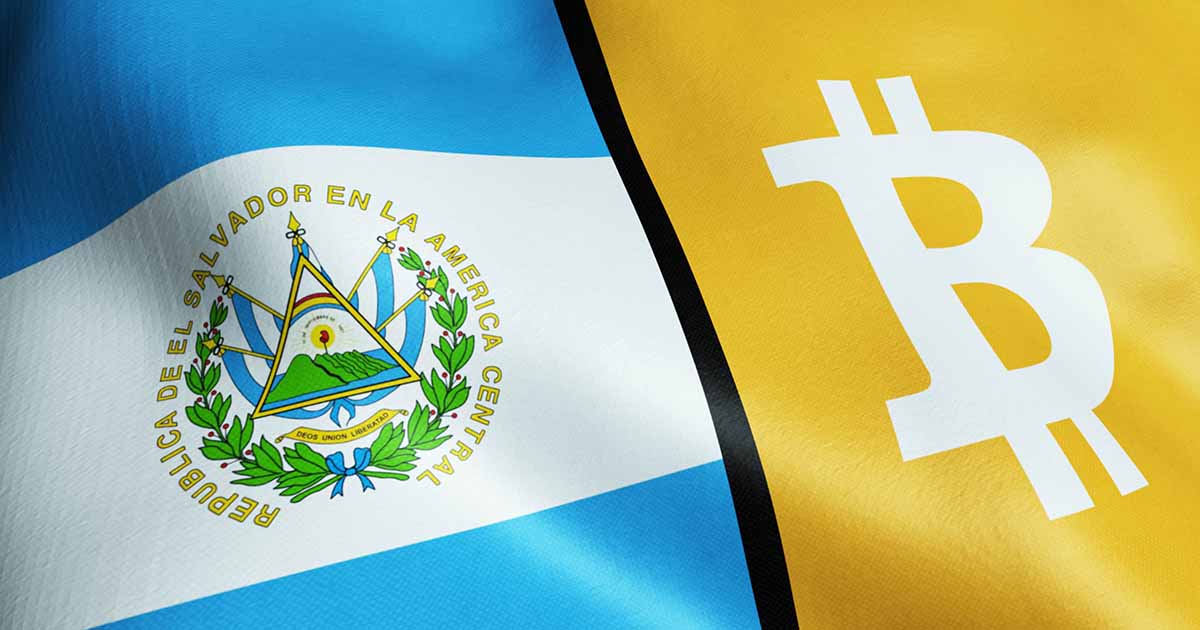
Promote with Leviathan NewsVanEck’s report frames El Salvador as a macro “comeback story,” arguing that since 2019 the country has shifted from fiscal distress and high violence to improved credit metrics, renewed market access, and a differentiated “Bitcoin + security” policy mix under President Nayib Bukele. It highlights how the combination of aggressive anti-gang measures, opportunistic debt management, and a high‑profile Bitcoin strategy has changed investor perceptions and enabled a series of new bond deals. The piece notes that after years of being viewed as a near‑default credit, El Salvador bought back deeply discounted Eurobonds in 2022–2023, paid a large 2023 bond on time, and then returned to markets with new issuances, including the country’s long‑discussed “Volcano Bond” (a Bitcoin‑linked, blockchain‑issued bond) following enabling legislation passed in early 2023. These moves, alongside a sharp drop in homicide rates under Bukele’s security crackdown and his landslide re‑election, have fed a narrative shift among some investors and crypto proponents who now see El Salvador as a test case for Bitcoin‑oriented economic policy and digital asset–based sovereign financing, even as human‑rights groups and democracy scholars continue to warn about authoritarian consolidation and the limited real‑economy impact of Bitcoin adoption so far.
AI-generated background, compiled from web sources — not editorial content.
Loading related coverage…

𝕏/@THORChain ·

wublockchain.xyz ·

Coindesk ·

𝕏/@citrea_xyz ·

𝕏/@CashApp ·

𝕏/@bitget ·
𝕏/@THORChain ·
wublockchain.xyz ·
Coindesk ·
𝕏/@citrea_xyz ·
𝕏/@CashApp ·
𝕏/@bitget ·
🚀 Love DeFi? Ready to dive in and start earning $SQUID while making an impact?