Experts call Trump’s crypto reserve “ridiculous” and “messed up,” criticizing the inclusion of centralized altcoins alongside Bitcoin and Ethereum.
Cryptonews •
Revision history
4 recorded changes
Want your article here?
Promote with Leviathan News4 recorded changes
Want your article here?
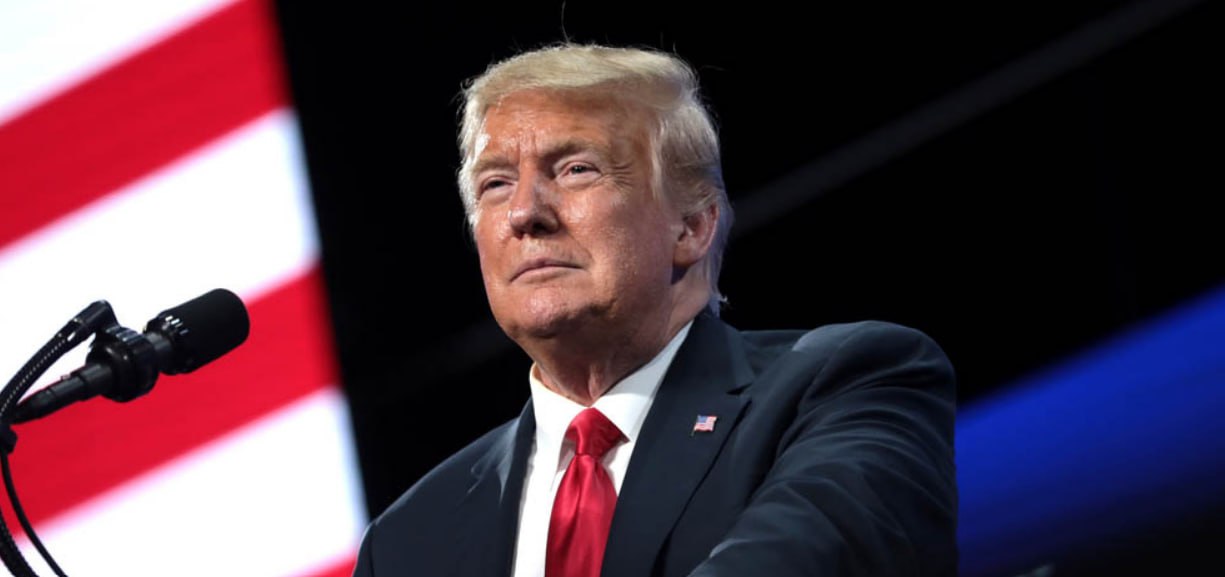
Promote with Leviathan NewsDonald Trump’s proposed U.S. “crypto strategic reserve” has drawn sharp criticism from economists and crypto specialists, who argue that both the concept and the specific asset mix are poorly designed and potentially dangerous from a policy and market-structure standpoint. The plan, outlined in a Truth Social post and followed by an executive order and policy framing around a “Strategic Bitcoin Reserve,” envisions the federal government treating certain cryptocurrencies as reserve-like assets, not only Bitcoin and Ethereum but also a small basket of more centralized altcoins. According to coverage and expert commentary, critics object on two main fronts. First, they challenge the basic rationale for any government-run crypto reserve, noting that Bitcoin and other tokens are highly volatile, lack clear intrinsic value or cash flows, and would expose taxpayers to speculative risk rather than serving a stabilizing, strategic function comparable to gold or foreign-exchange reserves. Second, they argue that including centralized altcoins alongside more decentralized assets such as Bitcoin and Ethereum is “messed up” and “ridiculous,” because it effectively has the U.S. government endorsing specific commercial-style crypto networks whose governance is often concentrated among foundations, insiders, or venture backers. That structure raises conflicts-of-interest concerns—particularly given the Trump administration’s close political and financial ties with parts of the crypto industry—and blurs the line between neutral public policy and picking corporate winners in a speculative market. The controversy matters beyond the immediate proposal because it highlights the broader policy debate over how far governments should go in holding or promoting crypto assets. Supporters see a strategic reserve as a way to position the U.S. as a leader in digital assets and potentially benefit from future price appreciation, while detractors warn it could distort markets, politicize protocol selection, and undermine the perceived neutrality of U.S. financial governance. The inclusion of smaller, more centralized tokens amplifies fears that public power could be used to subsidize specific private crypto ecosystems, complicating ongoing efforts to build coherent, technology‑neutral regulation for the sector. "entities":["Donald Trump","United States government","Strategic Bitcoin Reserve","crypto strategic reserve","Bitcoin (BTC)","Ethereum (ETH)","Solana (SOL)","Cardano (ADA)","centralized altcoins","Trump administration","Cato Institute","TIME"]}`
AI-generated background, compiled from web sources — not editorial content.

𝕏/@hantengri ·

𝕏/@ethena ·

𝕏/@turtledotxyz ·

𝕏/@eigenlabs ·

𝕏/@RevokeCash ·

𝕏/@TenorFinance ·
𝕏/@hantengri ·
𝕏/@ethena ·
𝕏/@turtledotxyz ·
𝕏/@eigenlabs ·
𝕏/@RevokeCash ·
𝕏/@TenorFinance ·
🚀 Love DeFi? Ready to dive in and start earning $SQUID while making an impact?