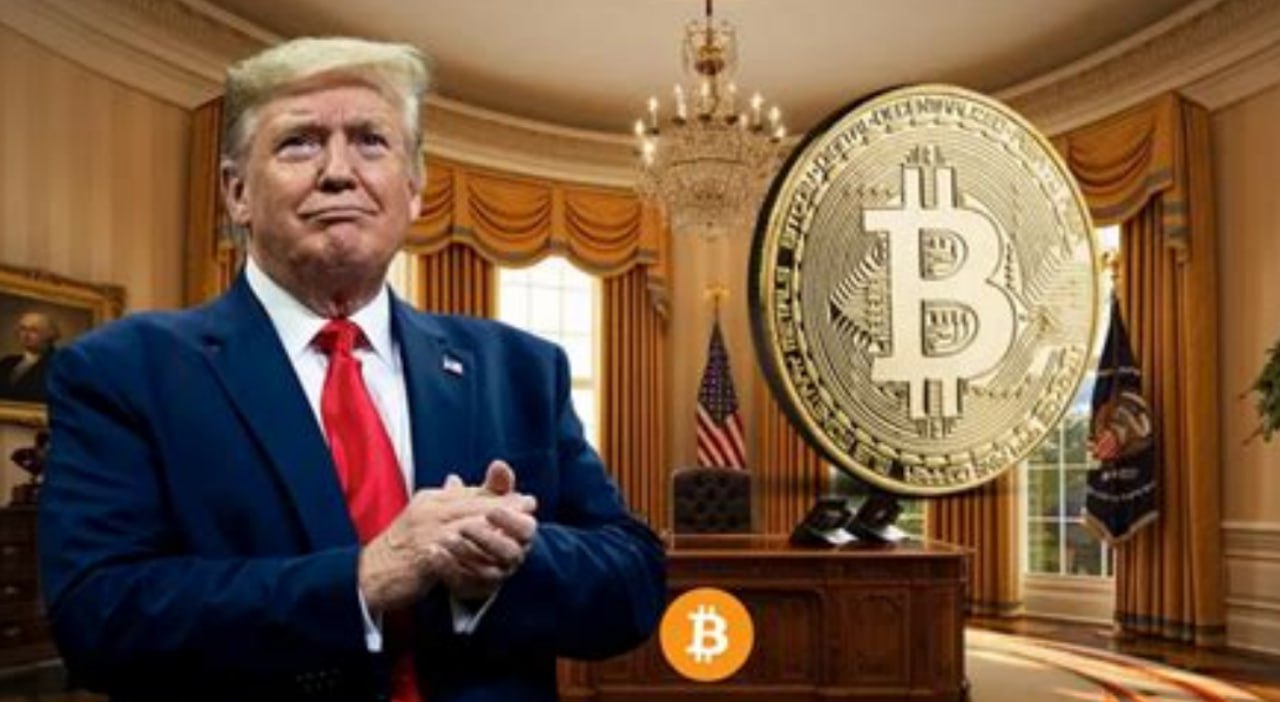
President Trump signed an executive order on March 6, 2025 creating a Strategic Bitcoin Reserve and a separate U.S. Digital Asset Stockpile. The White House said the Bitcoin reserve would be funded with bitcoin already forfeited to the Treasury in criminal or civil cases, and that deposited bitcoin would not be sold; the order also allowed Treasury and Commerce to explore budget-neutral ways to acquire more bitcoin without adding costs to taxpayers. The policy was framed as a shift in U.S. digital-asset strategy, with the administration describing bitcoin as a reserve asset and the reserve as a kind of “digital Fort Knox.” Public comments from crypto czar David Sacks emphasized that no taxpayer money would be used, a point echoed in the White House fact sheet. The move was significant because it marked direct federal recognition of bitcoin as a strategic reserve asset and signaled a broader, more structured approach to government-held crypto holdings. The market reaction was negative in the short term: reporting on the announcement noted bitcoin fell sharply, with commentary describing disappointment that the reserve did not involve immediate government purchases of bitcoin. Analysts cited by Cato and others said the price had already been elevated on expectations of more aggressive buying, so the absence of taxpayer-funded accumulation undercut bullish expectations.

AI-generated background, compiled from web sources — not editorial content.

More coverage

Explore the topic

More on Bitcoin

Comments