JP Morgan CEO Jamie Dimon admits he was wrong and crypto is “Real”
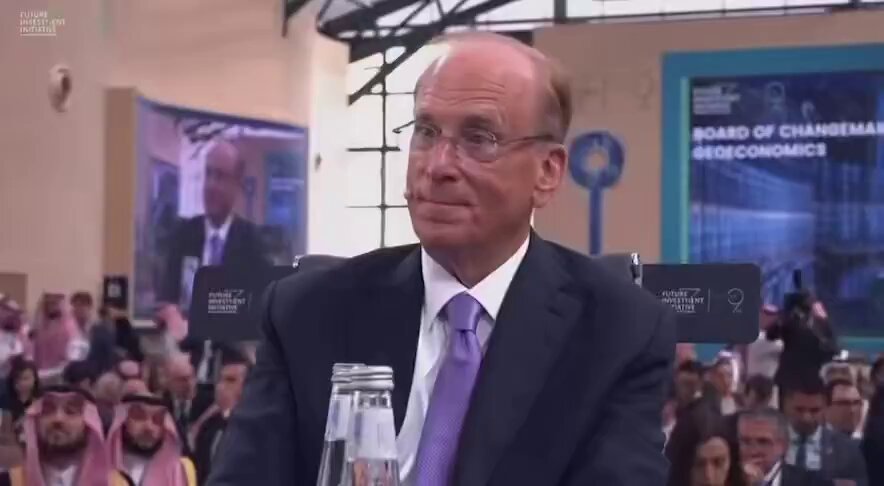
𝕏/@whaleinsider •
Revision history
11 recorded changes
Want your article here?
Promote with Leviathan News11 recorded changes
Want your article here?
Promote with Leviathan NewsA viral social media post claims that JPMorgan Chase CEO Jamie Dimon has now “admitted he was wrong” and declared crypto is “real,” but the underlying story is more nuanced: Dimon has not reversed his long‑standing criticism of speculative cryptocurrencies like bitcoin, yet he has increasingly acknowledged the reality and competitiveness of blockchain-based finance, stablecoins and tokenization, and is aggressively building JPMorgan’s own blockchain infrastructure. The post appears to conflate Dimon’s evolving stance on blockchain and regulated digital assets with a wholesale endorsement of crypto markets, which is not supported by his recent public comments. Over the past decade Dimon has been one of the most prominent Wall Street critics of bitcoin, calling it a “fraud” and a “pet rock” and threatening in 2017 to fire any JPMorgan trader dealing in the asset. In 2023–2024 interviews he continued to say his “personal advice is don’t get involved” with bitcoin and has supported strict regulation, warning that decentralized cryptocurrencies can facilitate crime and should be subject to robust oversight. At the same time, JPMorgan has quietly become a major user of blockchain, launching products such as its JPM Coin deposit token and the Onyx blockchain platform, and Dimon has publicly stated that blockchain is real and likely to replace parts of financial market infrastructure, particularly for cross‑border and 24/7 payments. By early 2026 Dimon’s shareholder letter explicitly framed a “whole new set of competitors” arising from blockchain, stablecoins, smart contracts and tokenization, and said JPMorgan “needs to roll out our own blockchain technology” to stay competitive. In public forums such as the Reagan National Economic Forum and Fox Business, he has stressed that stablecoins and crypto platforms that function like banks must meet the same AML, KYC, capital and liquidity standards as banks, and has sharply criticized a crypto‑friendly U.S. bill (the CLARITY Act) and Coinbase CEO Brian Armstrong over what he views as regulatory arbitrage. The net effect is that Dimon now clearly accepts that blockchain-based systems and regulated digital assets are a durable part of global finance and direct competitors to JPMorgan, but this falls short of a blanket mea culpa on “crypto” as an investment and remains coupled with a strong push for bank‑like regulation of the sector.
AI-generated background, compiled from web sources — not editorial content.
Loading related coverage…
Loading comments…

𝕏/@CoinbaseMarkets ·

𝕏/@coinbase ·
𝕏/@coinbureau ·

𝕏/@brian_armstrong ·

𝕏/@coinbase ·

𝕏/@Aave ·
𝕏/@CoinbaseMarkets ·
𝕏/@coinbase ·
𝕏/@coinbureau ·
𝕏/@brian_armstrong ·
𝕏/@coinbase ·
𝕏/@Aave ·
Restoring your session before loading comments…