Hyperliquid pauses Arbitrum bridge, deposits and withdrawals are unaffected
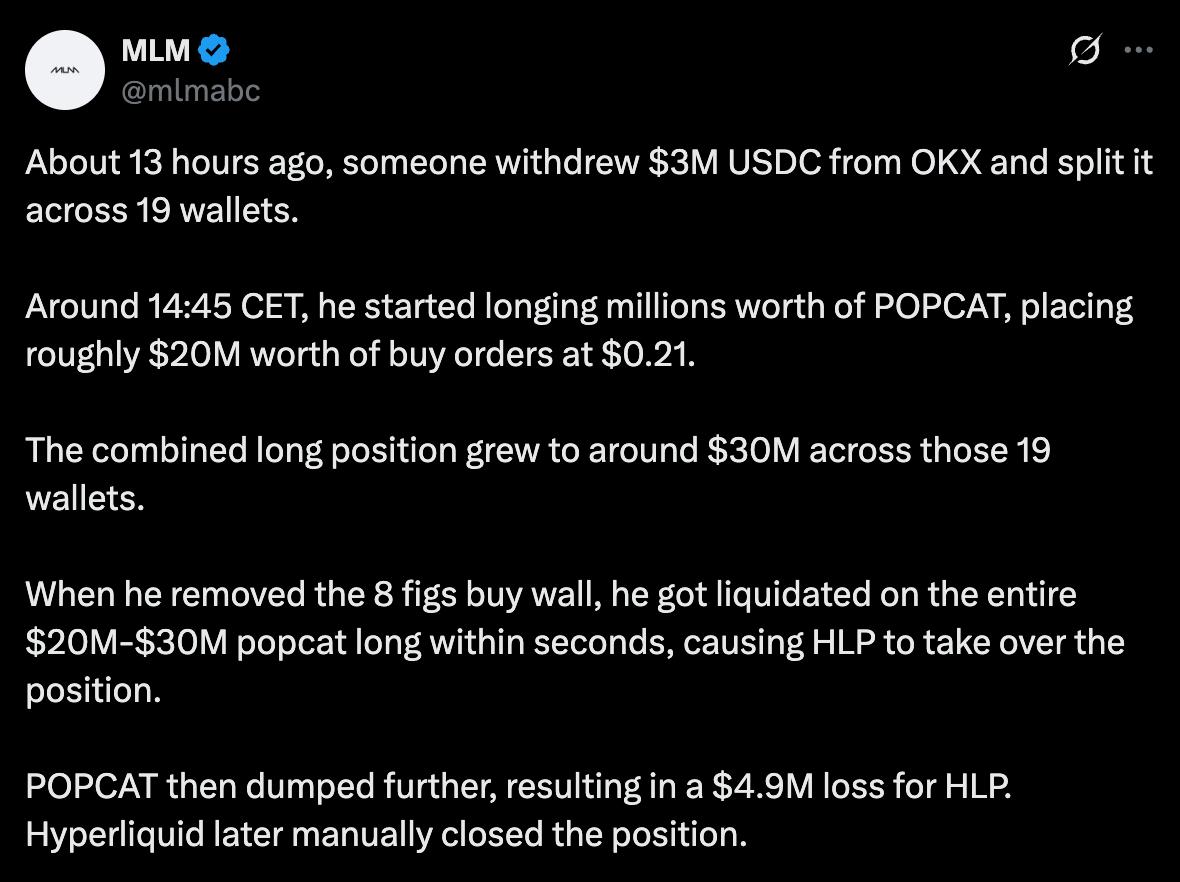
𝕏/@mlmabc •
Revision history
6 recorded changes
Want your article here?
Promote with Leviathan News6 recorded changes
Want your article here?
Promote with Leviathan NewsHyperliquid has temporarily paused its Arbitrum bridge while keeping overall deposits and withdrawals operational via alternative routes, as the protocol transitions away from relying on its legacy Arbitrum USDC bridge toward native USDC connectivity across its own chains. According to recent Hyperliquid communications, USDC is now linked natively between HyperCore (its main L1) and HyperEVM, and the team has stated that in the final state the Arbitrum bridge will be deprecated and all USDC will be natively minted rather than routed through the older Arbitrum bridge contract. This bridge has historically been critical infrastructure: it is the canonical route for getting USDC from Arbitrum One into Hyperliquid’s L1, and has been one of the largest drivers of stablecoin activity on Arbitrum, with billions of dollars in USDC historically locked in the bridge contract. The pause on the Arbitrum bridge therefore affects a key legacy pathway, but Hyperliquid has emphasized that users can still move funds using other supported mechanisms. Contextually, Hyperliquid began as a perp DEX on Arbitrum but later migrated to its own Layer 1 and broadened connectivity through cross‑chain routes and now native USDC minting. Deposits to Hyperliquid accounts can still be made using cross‑chain bridges and routes such as deBridge and other third‑party bridge aggregators that deliver native USDC to Arbitrum or directly into Hyperliquid’s supported environments. The Arbitrum bridge pause appears aligned with the longer‑term plan announced by Hyperliquid and Circle to phase out reliance on the Arbitrum bridge in favor of Circle’s CCTP (Cross‑Chain Transfer Protocol) and natively minted USDC on HyperCore/HyperEVM, reducing bridge risk while maintaining user access to deposits and withdrawals.
AI-generated background, compiled from web sources — not editorial content.
Loading related coverage…
Loading comments…
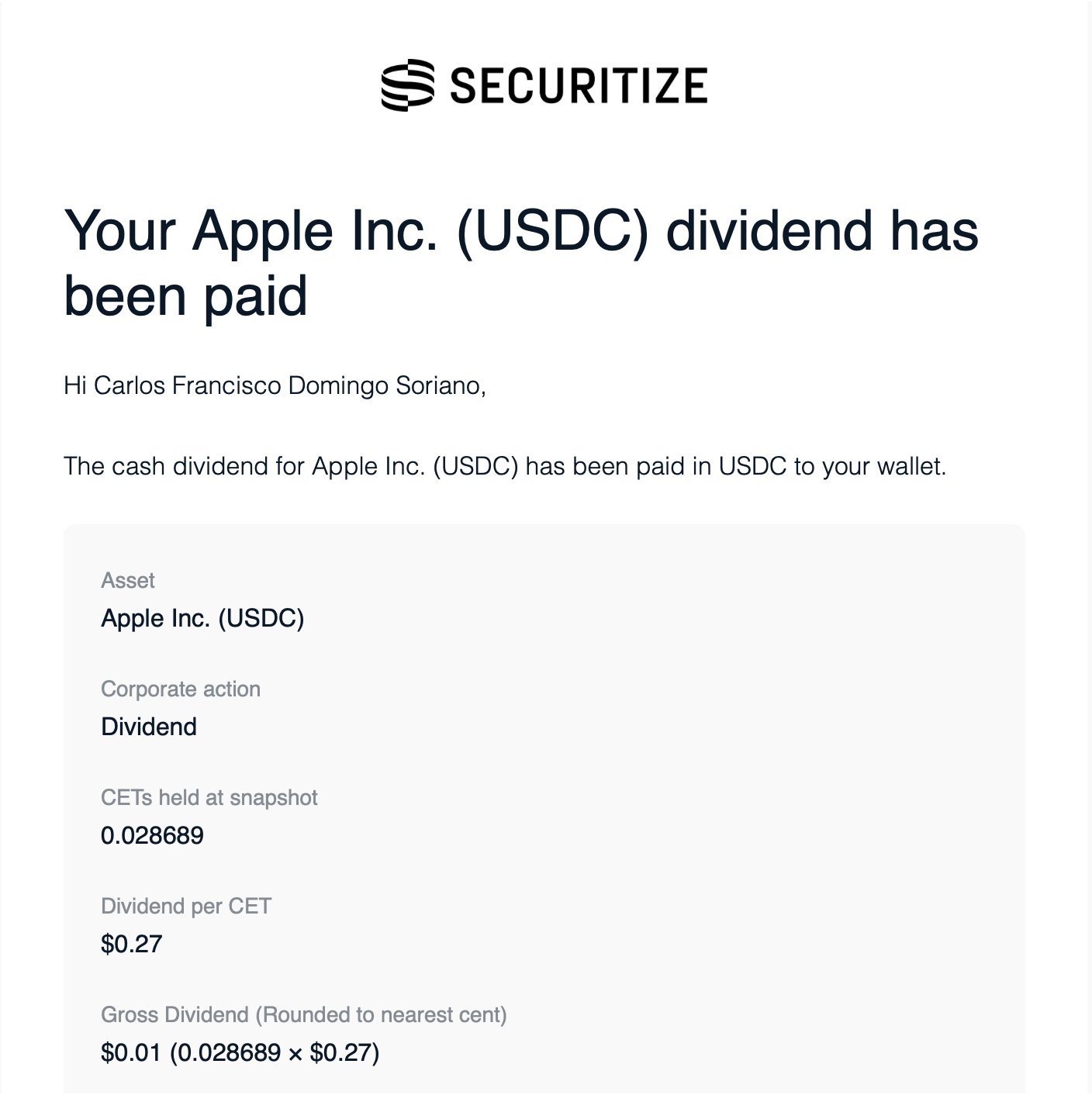
𝕏/@carlosdomingo ·
Financewire ·

𝕏/@Arch_Prime ·

𝕏/@BinanceWallet ·
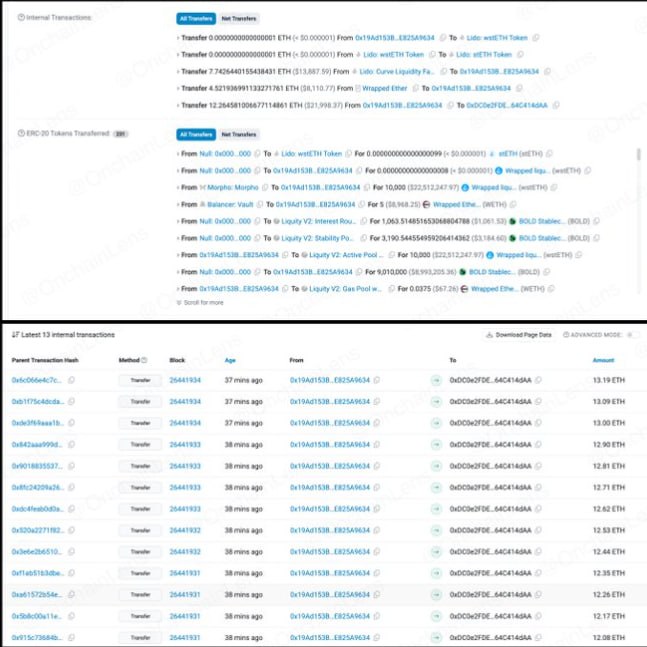
𝕏/@blockaid_ ·
The Block ·
𝕏/@carlosdomingo ·
Financewire ·
𝕏/@Arch_Prime ·
𝕏/@BinanceWallet ·
𝕏/@blockaid_ ·
The Block ·
🚀 Love DeFi? Ready to dive in and start earning $SQUID while making an impact?
HappyPsyduck
Didn't something like this happen before?
Spencer420
yeah, was it with Jelly? or something like that
Danicjade
Wth, see how monies are being washed away
HappyPsyduck
Didn't something like this happen before?
Spencer420
yeah, was it with Jelly? or something like that