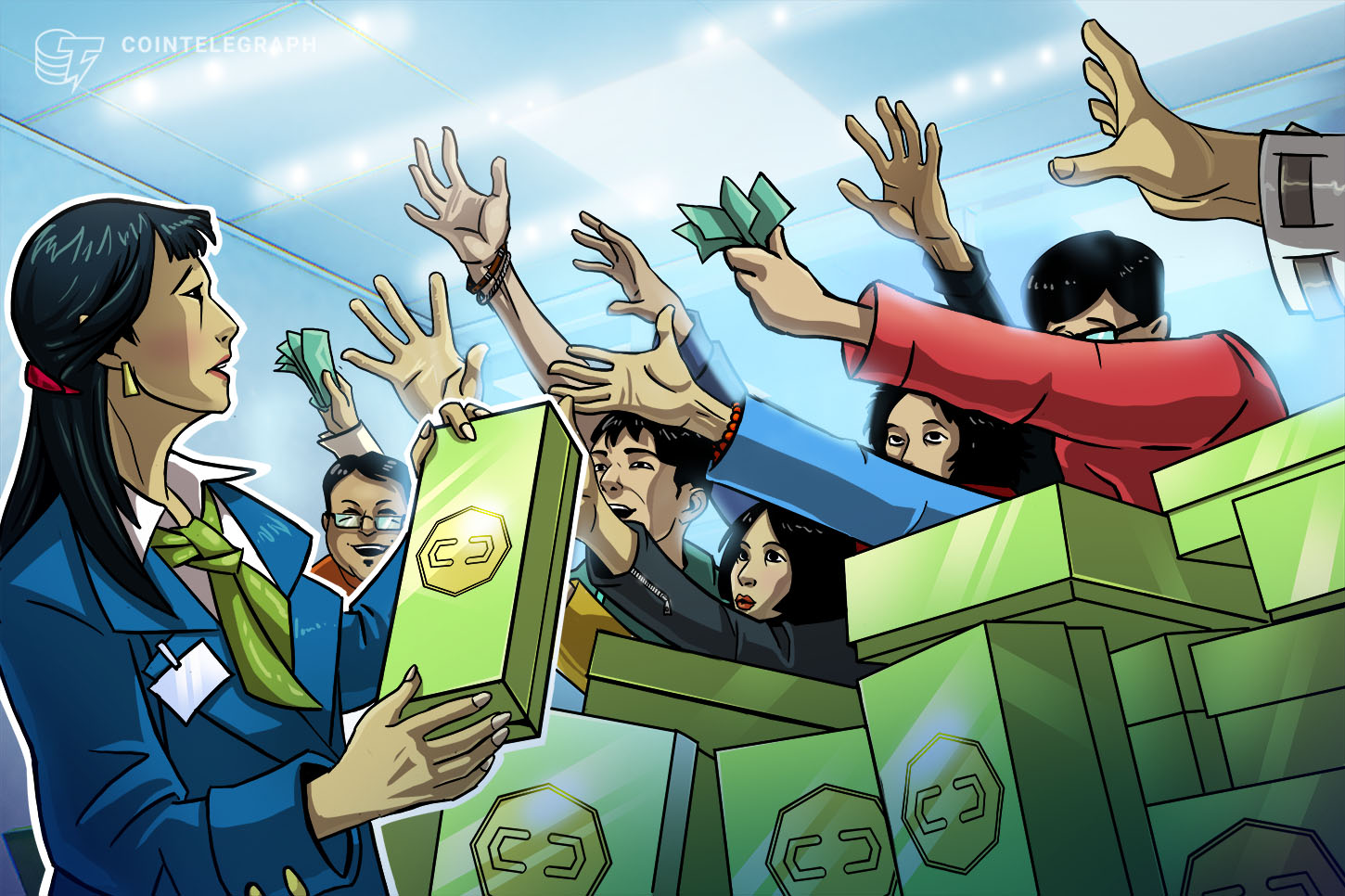
Crypto, once hailed as a tool for financial freedom, has devolved into a murky swamp of self-interest, far from its original vision of empowering small investors.

Crypto, once hailed as a tool for financial freedom, has devolved into a murky swamp of self-interest, far from its original vision of empowering small investors.
archive.md
Revision history

5 recorded changes

Want your article here?

Promote with Leviathan News


The archived article is a critical essay arguing that the cryptocurrency ecosystem has drifted far from its founding narrative of decentralization, open access, and financial empowerment for ordinary users. Instead of delivering broad-based financial freedom, the piece contends that today’s crypto markets function largely as a speculative arena dominated by insiders, venture funds, large exchanges, and well-capitalized traders who reap disproportionate gains. It frames this shift as a betrayal of early claims that crypto would “democratize finance” and help small investors escape the constraints of traditional banking and monetary systems. Drawing on recent market cycles, the author highlights how repeated boom‑and‑bust episodes, aggressive promotion of complex products, and widespread retail losses contrast sharply with the original promise of transparent, peer‑to‑peer, censorship‑resistant money. Regulatory actions, enforcement cases, and the prevalence of frauds and manipulative token schemes are used to illustrate how information asymmetries and conflicts of interest have turned much of the sector into what the article characterizes as a “murky swamp” of self‑interest rather than a public‑minded financial alternative. In this view, the central importance of crypto today lies less in its emancipatory potential and more in what it reveals about how an idealistic technological project can be reshaped by speculative incentives, power concentration, and the search for quick profits at the expense of the small investors it once promised to empower.

AI-generated background, compiled from web sources — not editorial content.

More coverage

Explore the topic

More on Freedom

Comments