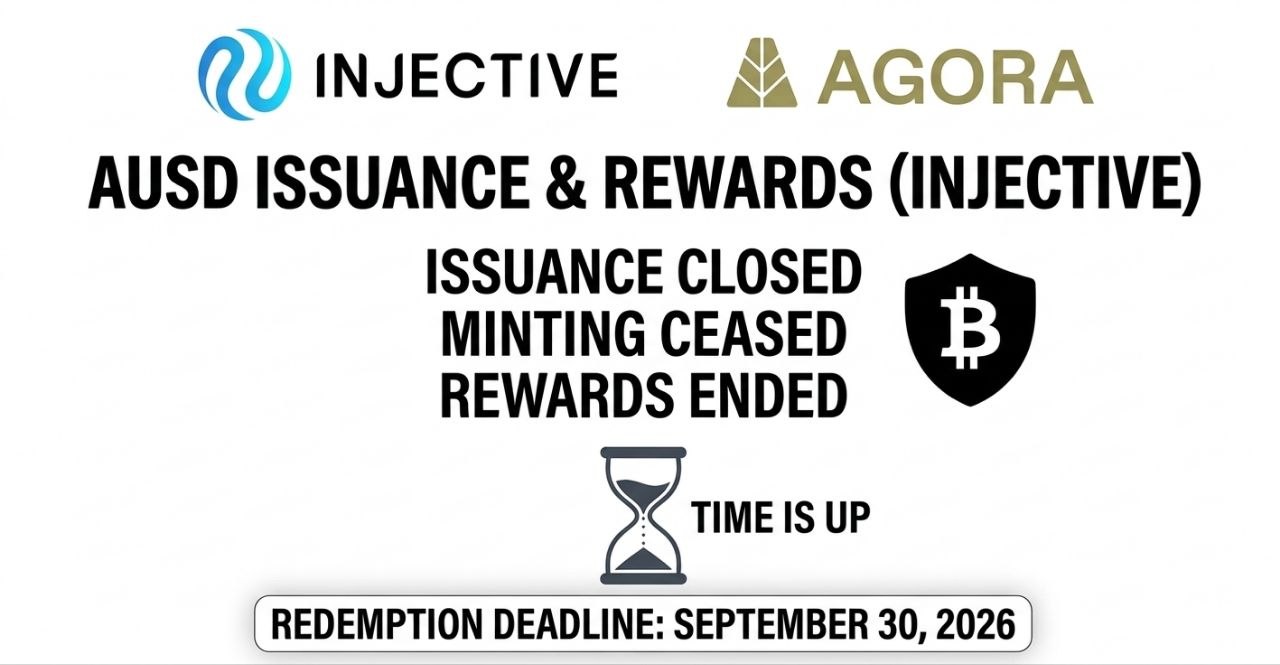
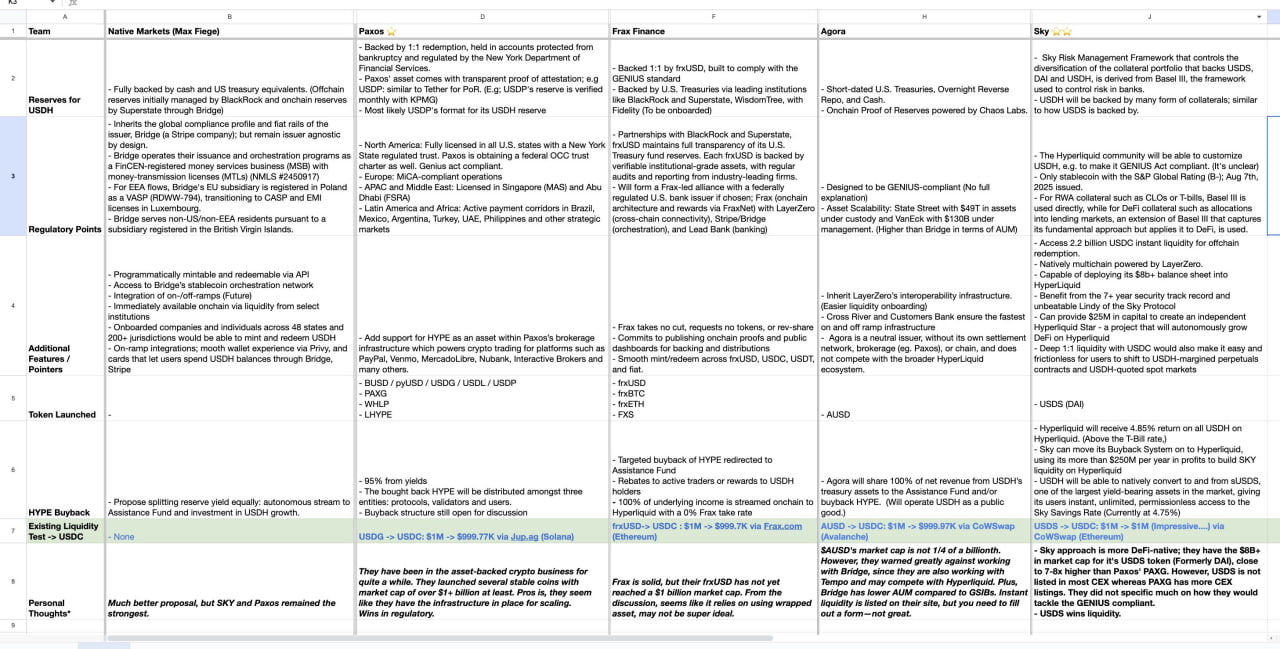
Anchorage Digital, a federally chartered crypto bank, is facing public criticism from stablecoin issuers and industry participants after publishing a new “Stablecoin Safety Matrix” and announcing it will phase out support for USDC, Agora USD (AUSD), and Usual USD (USD0) from its platform. Anchorage said the matrix evaluates fiat‑backed stablecoins on factors such as issuer regulatory status, reserve robustness, liquidity, depeg history, and concentration risk, and concluded that these three stablecoins no longer meet its internal criteria for “long-term resilience,” citing in particular “elevated concentration risks” in their issuer structures. The firm is encouraging institutional clients to convert into “safe” alternatives and has promoted Global Dollar (USDG), a Paxos-issued stablecoin backed by a consortium in which Anchorage is a founding member, as one of the preferred options.
The move has drawn a strong response from Nick van Eck, co‑founder and CEO of Agora, which issues AUSD, and from other industry figures associated with competing stablecoins. Van Eck publicly argued that Anchorage’s safety report contained “easily verifiable” factual inaccuracies about rival tokens and accused the firm of failing to disclose its financial and governance ties to Paxos and USDG, which stand to benefit from the delisting of USDC, AUSD, and USD0. He characterized the framework as a “hit piece” and “pay to play” exercise dressed up as risk analysis, saying he would have understood a straightforward commercial decision to prioritize stablecoins from which Anchorage profits but objected to what he sees as mischaracterizing competitors under the guise of safety. Viktor Bunin of Coinbase, which co‑launched USDC, likewise criticized the report as low quality, and Jan van Eck, CEO of asset manager VanEck, publicly mocked the matrix and suggested Anchorage might have to retract it.
The controversy matters because it highlights emerging tensions around stablecoin rankings and bank‑grade risk frameworks at a time when U.S. policymakers are debating stablecoin legislation such as the proposed GENIUS Act, which Anchorage explicitly references as a regulatory baseline for its matrix. As a regulated crypto bank positioning itself as an institutional gatekeeper for “safe” stablecoins, Anchorage’s classifications and delisting decisions can influence which digital dollars large clients view as compliant or acceptable, raising questions about conflicts of interest, transparency of methodologies, and the line between prudential risk management and competitive maneuvering. The episode also underscores how upcoming rules on reserve composition, issuer licensing, and secondary‑market obligations could reshape the stablecoin landscape, making control over safety narratives and ratings frameworks increasingly consequential for issuers and intermediaries alike.
"entities":["Anchorage Digital","Stablecoin Safety Matrix","USD Coin (USDC)","Agora USD (AUSD)","Usual USD (USD0)","Global Dollar (USDG)","Paxos","Agora","Nick van Eck","Jan van Eck","Viktor Bunin","Coinbase","VanEck","U.S. Department of the Treasury","GENIUS Act (Guiding and Establishing National Innovation for US Stablecoins)"]}`
✨ AI-generated background, compiled from web sources — not editorial content.