The U.S. Secret Service’s Global Investigative Operations Center is ramping up its efforts to combat crypto fraud worldwide.

Over the past decade, it has helped recover nearly $400 million in digital assets, largely held in cold storage. Notably, it successfully intercepted a “pig-butchering” scam involving $225 million in USDT.
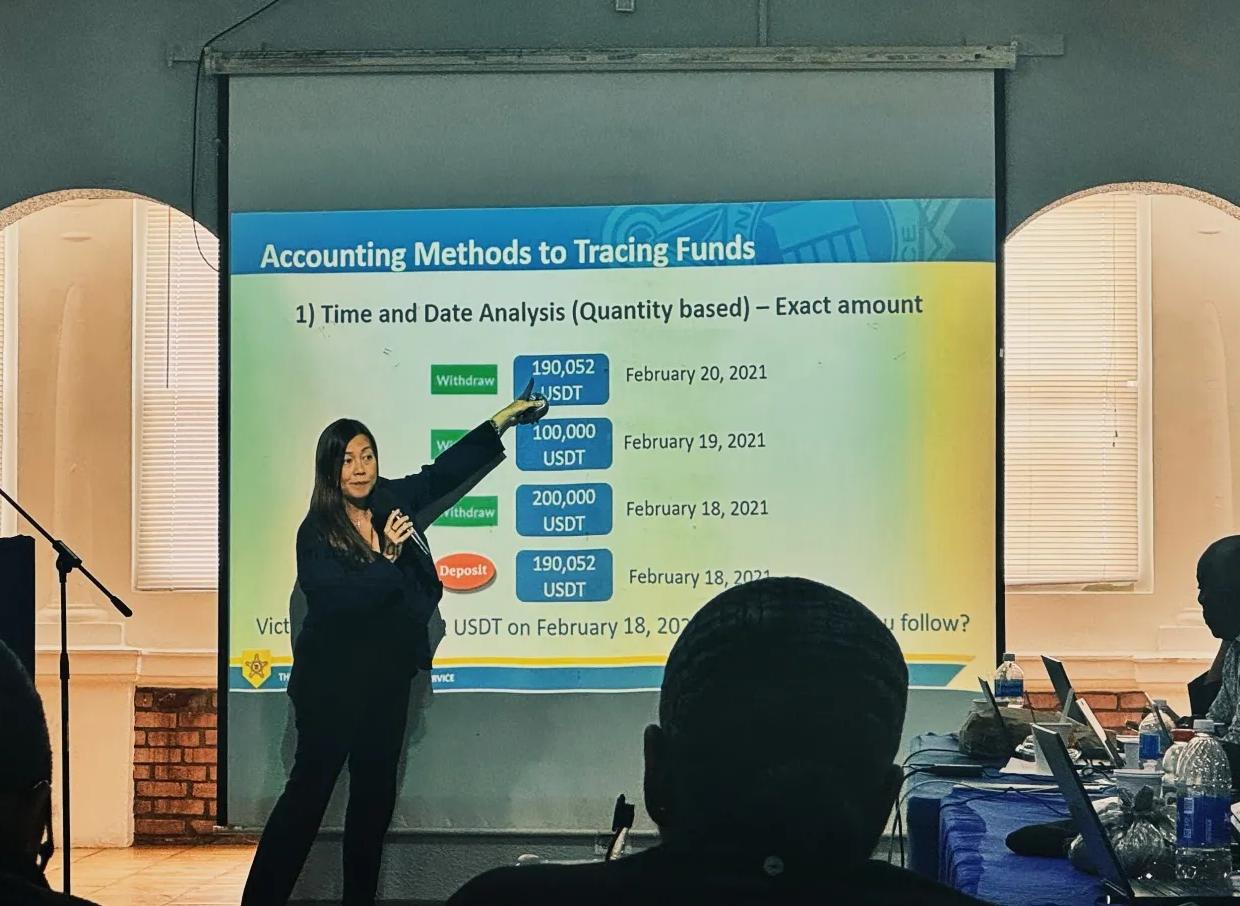
The U.S. Secret Service’s Global Investigative Operations Center is ramping up its efforts to combat crypto fraud worldwide.

Over the past decade, it has helped recover nearly $400 million in digital assets, largely held in cold storage. Notably, it successfully intercepted a “pig-butchering” scam involving $225 million in USDT.
Bloomberg (no paywall)
Revision history

18 recorded changes

Want your article here?

Promote with Leviathan News

The U.S. Secret Service’s Global Investigative Operations Center (GIOC) has significantly expanded its role in tracing and seizing illicit cryptocurrency as part of a broader federal push against online investment fraud, including so‑called “pig‑butchering” schemes that rely on social engineering and crypto rails. According to agency materials, the GIOC has helped recover more than $400 million in stolen digital assets, which are typically moved to cold storage wallets controlled by law enforcement while courts determine final forfeiture and restitution. These operations form part of interagency initiatives such as the Department of Justice’s Scam Center Strike Force, which reports more than $580 million in crypto frozen or seized from Chinese transnational criminal organizations running cryptocurrency investment fraud and other confidence scams targeting U.S. victims. A notable recent case highlighted by Bloomberg involves the Secret Service intercepting a large‑scale pig‑butchering scam that used Tether (USDT) and allegedly controlled about $225 million in tokens before authorities moved to freeze them, underscoring how scammers increasingly favor stablecoins for high‑volume fraud flows. Pig‑butchering schemes blend long‑term relationship or trust‑building with fake investment platforms, and have been identified by U.S. law enforcement as a rapidly growing threat driven in part by scam compounds in Southeast Asia and Chinese organized crime groups. The GIOC’s work—combined with public education efforts and partnerships with analytics firms—illustrates how blockchain tracing, rapid seizure warrants, and cross‑border coordination are becoming central tools for U.S. agencies attempting to claw back victim funds and disrupt industrial‑scale crypto fraud operations.

AI-generated background, compiled from web sources — not editorial content.

More coverage

Explore the topic

More on Secret Service

Comments