The ‘hedge-and-expand’ strategy by Circle in the United States, has placed them on defense in market shake-up, tests oversight vs privacy, exciting!
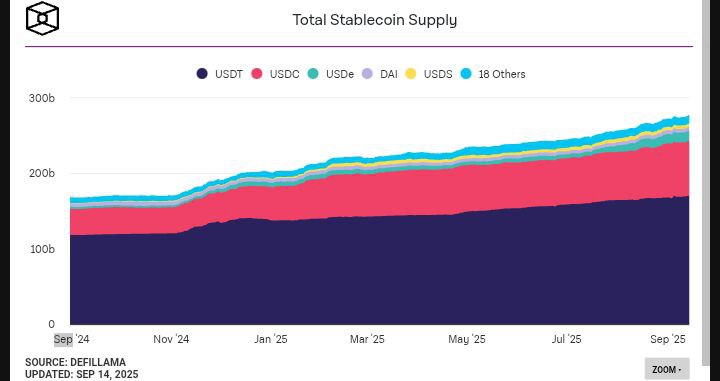
The Block •
Revision history
8 recorded changes
Want your article here?
Promote with Leviathan News8 recorded changes
Want your article here?
Promote with Leviathan NewsTether is pursuing a “hedge-and-expand” strategy centered on making its dollar-pegged stablecoin USDT less dependent on the United States and its regulators, a move that is reshaping competitive dynamics with U.S.-based rival Circle and raising broader policy questions over financial oversight versus user privacy. According to reporting, Tether is increasingly positioning itself as an offshore, high-privacy alternative while Circle is tightening regulatory alignment with U.S. authorities, leaving Circle more exposed to Washington’s policy and enforcement swings as the stablecoin market structure evolves. The strategy involves Tether diversifying away from the U.S. by leveraging jurisdictions with lighter-touch regulation, emphasizing minimal KYC/AML frictions for users, and maintaining operational opacity around reserves and counterparties relative to U.S. standards. At the same time, Circle has sought U.S. regulatory clarity by working closely with lawmakers and agencies, restructuring its business to fit prospective stablecoin rules, and promoting USDC as a fully compliant, transparent instrument suitable for banks, fintechs, and institutional users. This contrast has become sharper as U.S. regulators and legislators debate stablecoin bills, enforcement priorities, and how far on‑chain dollar systems should go in collecting identity data and transaction information. For the broader market, this divergence highlights a key tension between oversight and privacy in global dollar stablecoins: U.S.-centric models like Circle’s prioritize regulatory integration and surveillance-compatible infrastructure, while offshore models like Tether’s prioritize access and transactional anonymity, particularly for users in emerging markets or under capital controls. The result is a fragmented regulatory and competitive landscape where users, exchanges, and DeFi protocols must choose between more tightly supervised, potentially more censorable stablecoins and looser, higher-privacy options that may face future policy backlash or de-banking risk. The outcome of this strategic split is likely to influence which stablecoins dominate cross-border payments, crypto trading liquidity, and on‑chain finance in the coming years.
AI-generated background, compiled from web sources — not editorial content.
Loading related coverage…
𝕏/@saylor ·

𝕏/@saylor ·

𝕏/@Lukewearechange ·

news.bitcoin ·

Coindesk ·

The Block ·
𝕏/@saylor ·
𝕏/@saylor ·
𝕏/@Lukewearechange ·
news.bitcoin ·
Coindesk ·
The Block ·
🚀 Love DeFi? Ready to dive in and start earning $SQUID while making an impact?