Circle has launched native USDC and its Cross-Chain Transfer Protocol v2 (CCTP v2) on Hyperliquid’s HyperEVM network, while also taking an equity-style position in the ecosystem by acquiring HYPE tokens and considering becoming a validator. The move deepens USDC’s role as core dollar liquidity for one of the fastest‑growing derivatives platforms in crypto and is framed by Circle as an infrastructure play to make cross‑chain stablecoin flows and developer integration on Hyperliquid more seamless.
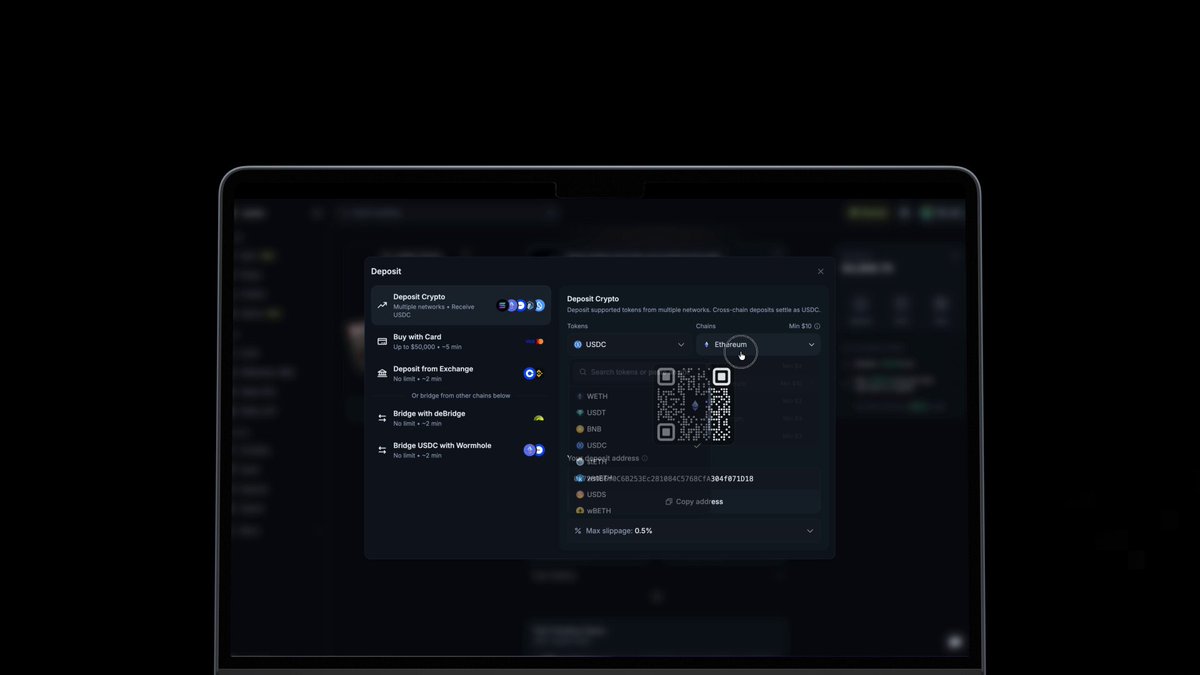
The integration brings fully reserved, regulated USDC—redeemable 1:1 for U.S. dollars and already live on more than a dozen networks—directly onto HyperEVM, enabling developers, traders, and institutions to move USDC cross‑chain into the Hyperliquid ecosystem using CCTP v2. According to Circle and third‑party coverage, this is the first step toward allowing USDC deposits into Hyperliquid’s spot and perpetuals exchange on HyperCore, with a roadmap for seamless transfers between HyperEVM, HyperCore, and 14+ other chains via CCTP. Circle is also preparing incentive programs, SDKs, and tooling to make USDC easier to embed in Hyperliquid‑based apps, positioning USDC as the default “digital dollar” for builders and users on the platform.
Strategically, the expansion comes as Hyperliquid has grown into a major decentralized derivatives venue, handling volume equivalent to roughly 14% of Binance’s trades, generating about $30 million in weekly fees, and executing around $100 million in HYPE buybacks since August. DeFi data cited in coverage indicates that roughly 7% of all USDC supply already sits on Hyperliquid, making Circle’s deeper integration and direct token exposure a way to secure and formalize its position before rival stablecoins gain share on the network. The collaboration illustrates a broader competitive trend: leading stablecoin issuers are aligning more tightly with high‑volume DeFi platforms, while those platforms increasingly rely on externally issued, regulated stablecoins—rather than purely native ones—for settlement, liquidity, and cross‑chain interoperability.
✨ AI-generated background, compiled from web sources — not editorial content.