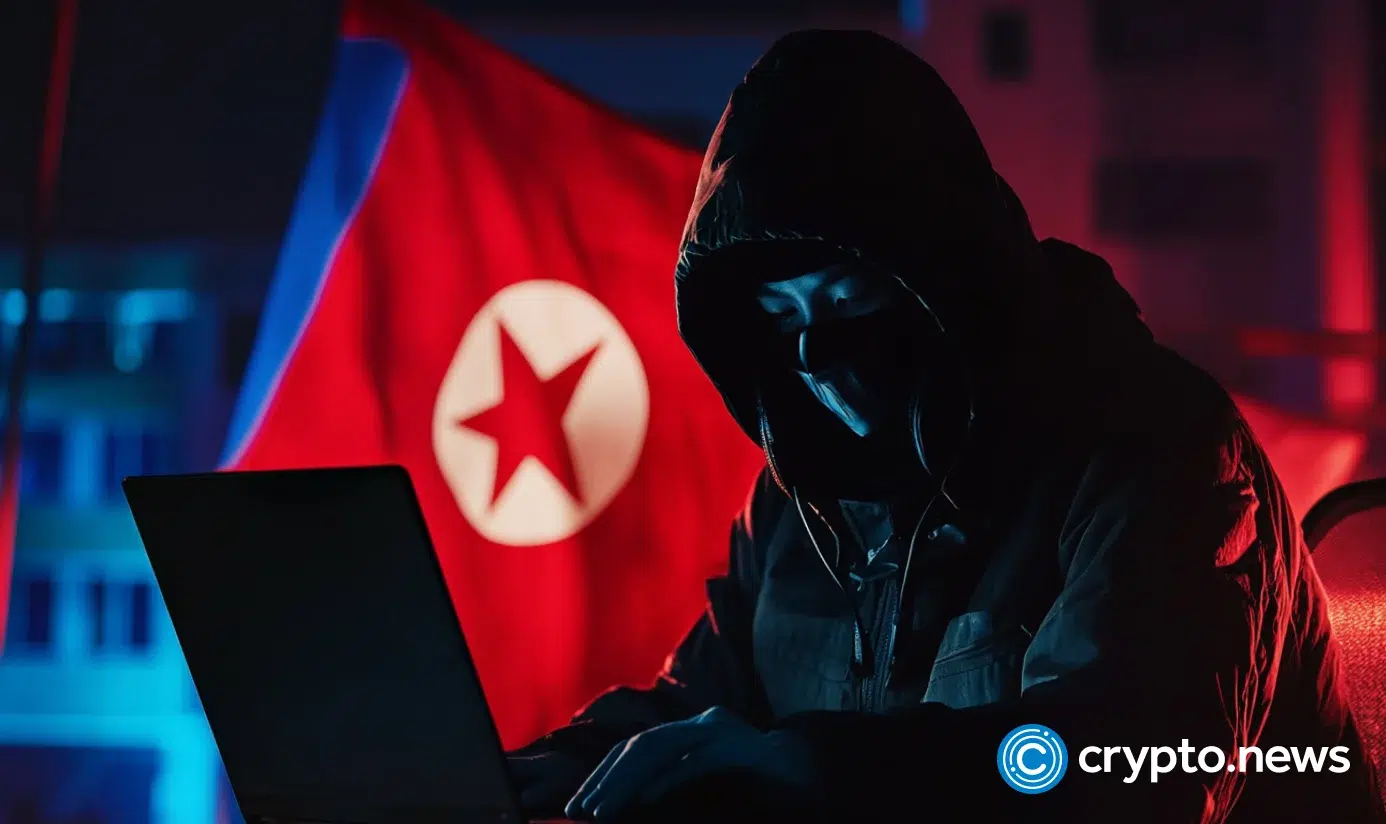
Cybersecurity experts are warning that North Korean IT operatives may already be embedded across a significant slice of the crypto industry, using legitimate-looking remote jobs to generate sanctions‑busting revenue and enable large‑scale crypto theft that helps fund Pyongyang’s weapons programs. At a recent Devconnect event in Bangkok, security specialist Ben Wilcox estimated that up to 20% of crypto companies could unknowingly employ North Korean workers posing as ordinary remote developers or engineers, and that 30–40% of applicants for some roles show markers consistent with DPRK jobs programs.
This threat builds on a well‑documented global campaign in which North Korean operatives use stolen or borrowed identities, fake LinkedIn profiles, Western “front” collaborators, and AI‑assisted interviews to secure high‑paying remote tech roles, often in the U.S. and other advanced markets. U.S. agencies including the FBI, State Department, and Treasury have repeatedly warned that these workers are part of organized schemes designed to evade sanctions and funnel hundreds of millions of dollars annually back to Pyongyang, both through salaries and by abusing access to company systems, intellectual property, and crypto infrastructure. Treasury sanctions and threat‑intel reports describe a mature ecosystem of recruiters, facilitators, shell companies, and payment converters that move salaries into cryptocurrency and then on to the regime.
For crypto firms, the concern is that once embedded, such operatives are uniquely positioned to assist state‑backed hacking groups in laundering stolen funds, weakening internal controls, or directly facilitating exchange and DeFi exploits—activity that U.S. and UN investigators have linked to North Korea’s ballistic missile and nuclear programs. Law enforcement and security researchers are urging Web3 companies to tighten remote hiring and KYC processes: scrutinizing IDs and resumes, requiring robust video or in‑person verification, monitoring payment details, and paying close attention to anomalous remote‑access behavior and unexplained links to known North Korean IT worker networks. The scale estimates cited by Wilcox suggest this is not a fringe issue but a systemic risk for the crypto sector, with both regulatory and national‑security implications.
✨ AI-generated background, compiled from web sources — not editorial content.