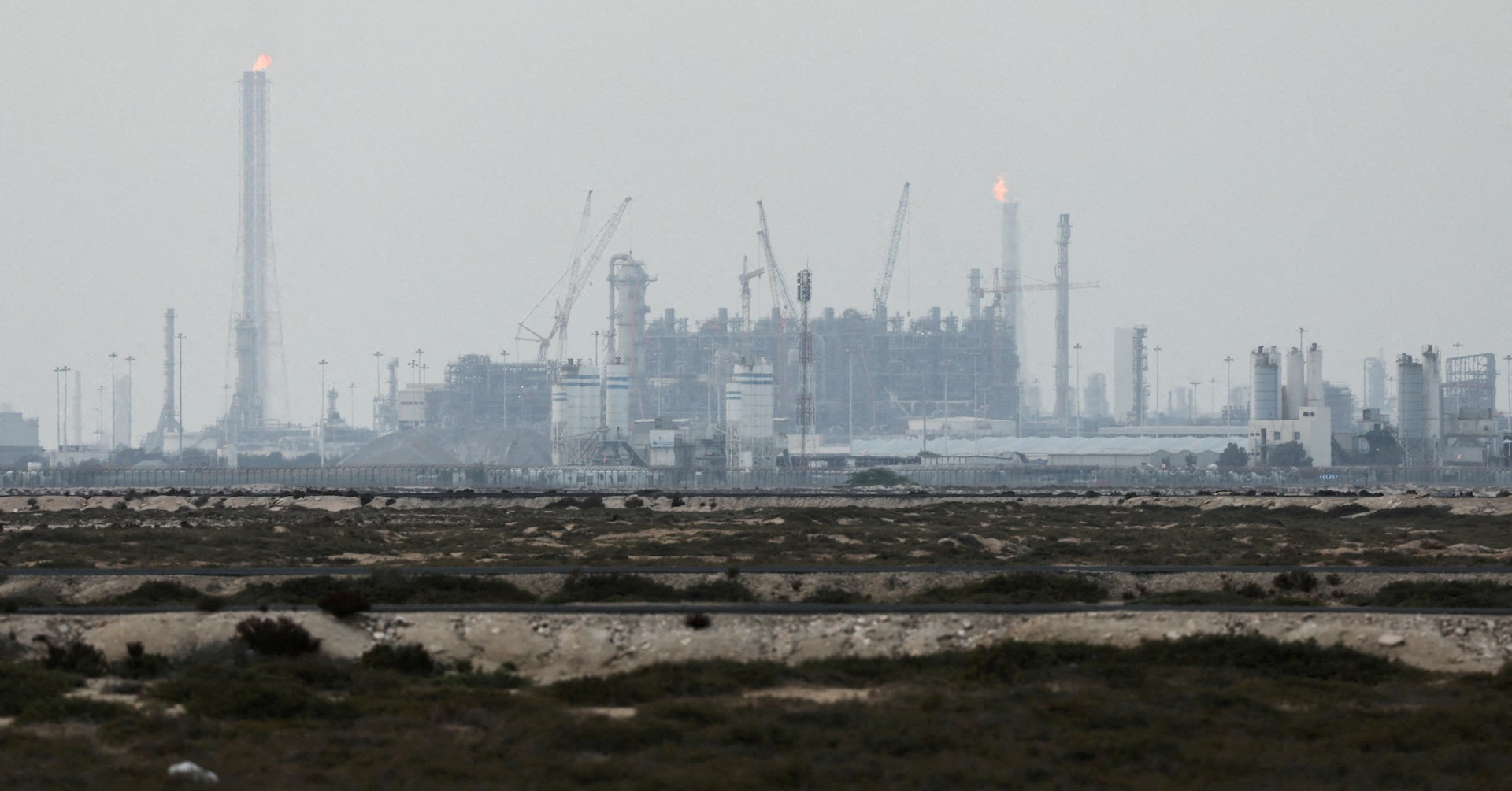
Iran strikes cripple Qatar, knocking out 17% of its LNG export capacity for 3–5 years and threatening key gas supplies to Europe and Asia.
Reuters •
Revision history
3 recorded changes
Want your article here?
Promote with Leviathan News3 recorded changes
Want your article here?
Promote with Leviathan NewsIran’s missile strikes on Qatar’s Ras Laffan gas hub have disabled a major portion of the country’s liquefied natural gas (LNG) export infrastructure, knocking out about 17% of Qatar’s LNG export capacity for an estimated three to five years, according to QatarEnergy CEO and energy minister Saad al-Kaabi in comments to Reuters. The attacks damaged two of Qatar’s 14 LNG trains and one of its two gas‑to‑liquids (GTL) plants, sidelining roughly 12.8 million tonnes per year of LNG output and causing an estimated $20 billion in lost annual revenue. Ras Laffan Industrial City, which processes gas from the North Field/South Pars reservoir, is central to Qatar’s role as one of the world’s top LNG exporters. The strikes were part of an Iranian retaliation wave across the Gulf following earlier regional escalations, and represent an unprecedented direct hit on critical Qatari energy infrastructure. Analysts note that the damage affects not only LNG but also associated exports including condensate, LPG and helium, and has led QatarEnergy to declare force majeure on some long‑term supply contracts with buyers in Europe and Asia. Because Qatar supplies roughly 20% of global LNG exports, the loss of 17% of its capacity intensifies concerns over medium‑term gas availability for European states that pivoted to LNG after cutting Russian pipeline imports, as well as for Asian importers such as Japan, South Korea and China that rely heavily on Qatari cargoes for power generation and industry. Energy-market commentators describe the situation as a structural rather than temporary disruption, given the engineering complexity of repairing large-scale liquefaction trains, potential ongoing security risks, and supply‑chain lead times for specialized equipment. In the immediate aftermath, oil and gas prices rose and global equity markets weakened as traders priced in the prospect of tighter LNG balances for several years. The attack has also heightened geopolitical tensions around Gulf energy infrastructure and sea routes, reinforcing the vulnerability of globally critical gas and oil supply chains to regional conflict shocks.
AI-generated background, compiled from web sources — not editorial content.
Loading related coverage…
Loading comments…
🚀 Love DeFi? Ready to dive in and start earning $SQUID while making an impact?
Danicjade
Just when will this war end?, this is sad

Techfundingnews ·
𝕏/@RD_Technologies ·
𝕏/@AssetoFinance ·
Techinasia ·
Reuters ·

Anthropic ·
Techfundingnews ·
𝕏/@RD_Technologies ·
𝕏/@AssetoFinance ·
Techinasia ·
Reuters ·
Anthropic ·