Aave sails clear of Resolv USR storm. Resolv's supplied assets hold steady in the protocol's hold; backing intact, graceful exit underway with debt repayments begun. No turbulence for Aave liquidity providers or protocol.
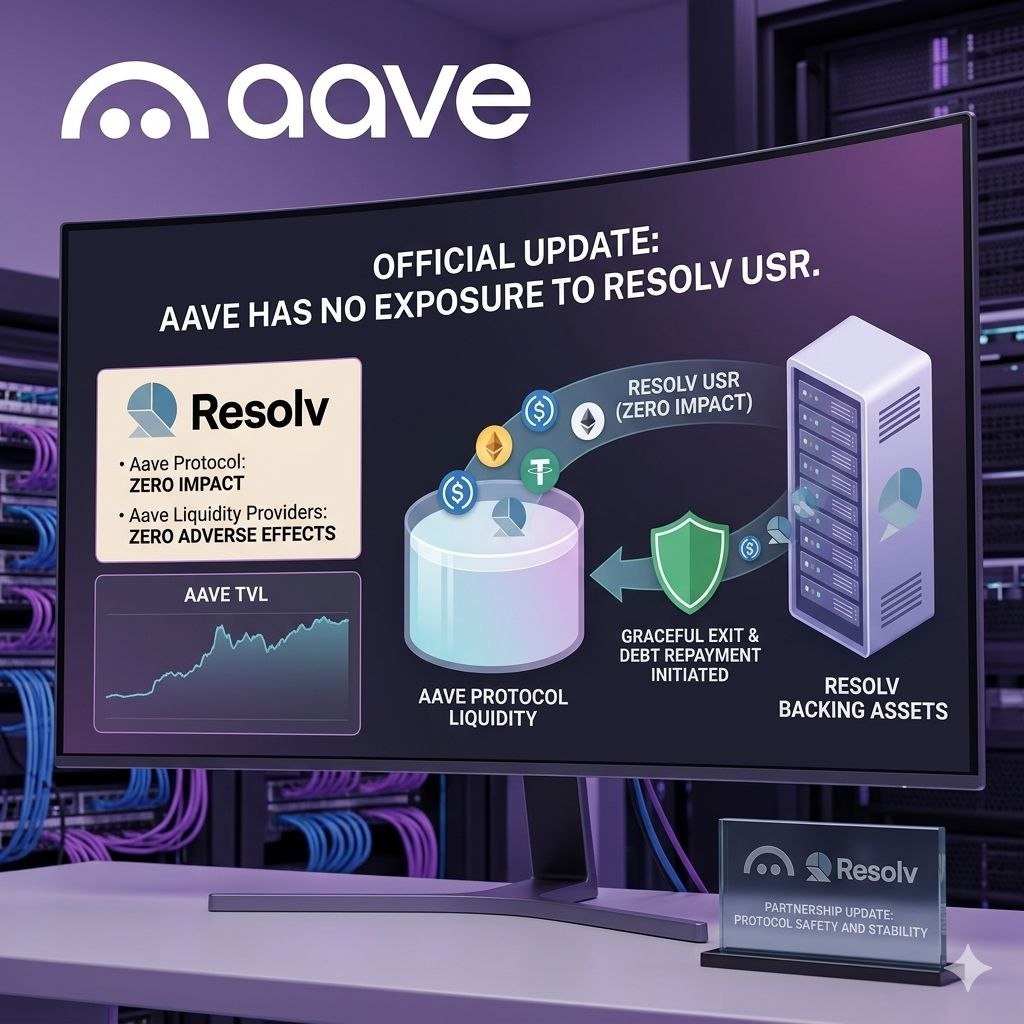
Aave sails clear of Resolv USR storm. Resolv's supplied assets hold steady in the protocol's hold; backing intact, graceful exit underway with debt repayments begun. No turbulence for Aave liquidity providers or protocol.
𝕏/@StaniKulechov
Revision history

8 recorded changes

Want your article here?

Promote with Leviathan News
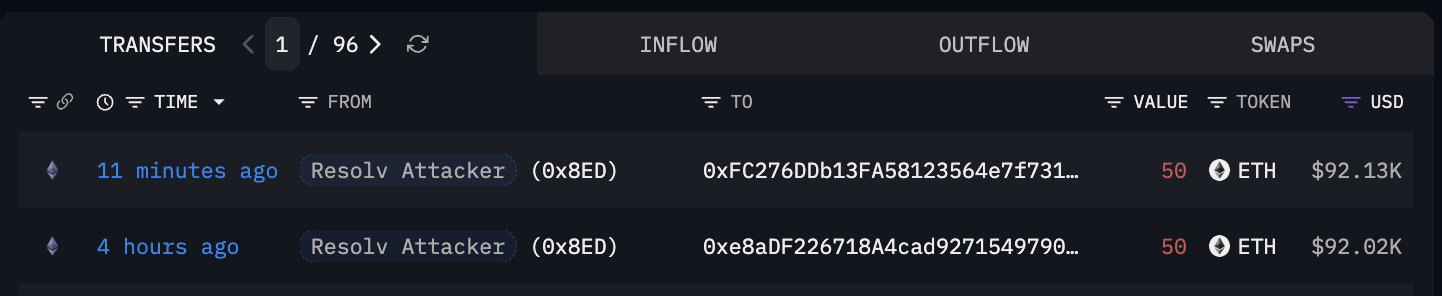

A recent incident involving the Resolv USR stablecoin on Aave has prompted a coordinated wind-down of the position, with Aave governance and contributors confirming that Aave liquidity providers and the protocol itself are not facing losses from the event. Resolv’s supplied assets on Aave remain fully backed, and Resolv has begun repaying its debt and unwinding its position in an orderly manner rather than through a disorderly liquidation. The issue stems from Resolv USR, a yield-bearing stable asset integrated with Aave, which experienced problems at the Resolv protocol level that raised questions about its backing and usage as collateral. After the incident emerged, Aave stakeholders evaluated the exposure and determined that Aave’s risk protections and collateralization mechanisms were sufficient to prevent bad debt or systemic impact to Aave’s liquidity providers. Resolv, in coordination with Aave, is executing a “graceful exit” of its positions by repaying outstanding borrows and withdrawing supplied assets, allowing the position to be resolved without triggering cascading liquidations or loss of principal for Aave users. This matters for DeFi risk management because it highlights how large third‑party stable or yield-bearing assets can be onboarded to lending protocols without necessarily endangering core liquidity pools when problems arise at the asset or issuer level. The handling of the Resolv USR episode shows Aave’s emphasis on segregation of risk, overcollateralization, and structured offboarding when an integrated asset encounters trouble, and it underscores to market participants that protocol‑level solvency and user deposits can remain intact even as an external asset is unwound.

AI-generated background, compiled from web sources — not editorial content.

More coverage

Explore the topic

More on Resolv

Comments