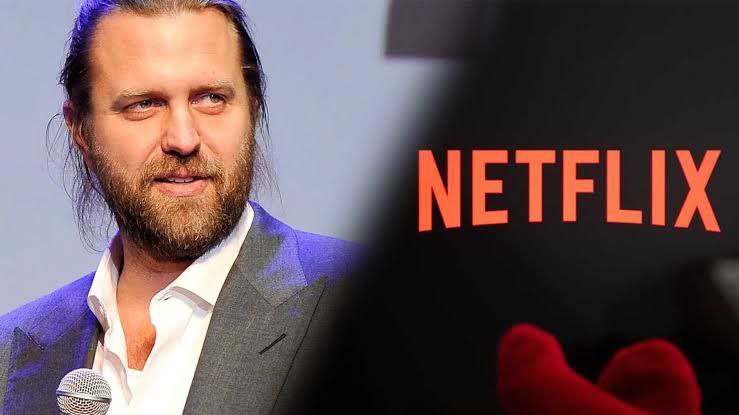
Carl Erik Rinsch, the commercials director best known for the 2013 film “47 Ronin,” was convicted in U.S. federal court of orchestrating an $11 million fraud against Netflix in connection with a stalled science-fiction series titled “White Horse.” Prosecutors said that after Netflix (described in charging documents as “Streaming Company-1”) advanced him an additional $11 million on top of tens of millions already paid for the project, Rinsch diverted the funds into speculative stock options and cryptocurrency trades rather than using them to complete the show. He was found guilty in December 2025 on seven counts, including wire fraud, money laundering, and multiple counts of engaging in monetary transactions using criminally derived property, exposing him to a theoretical maximum of 90 years in prison, though federal guidelines suggest a significantly shorter term.
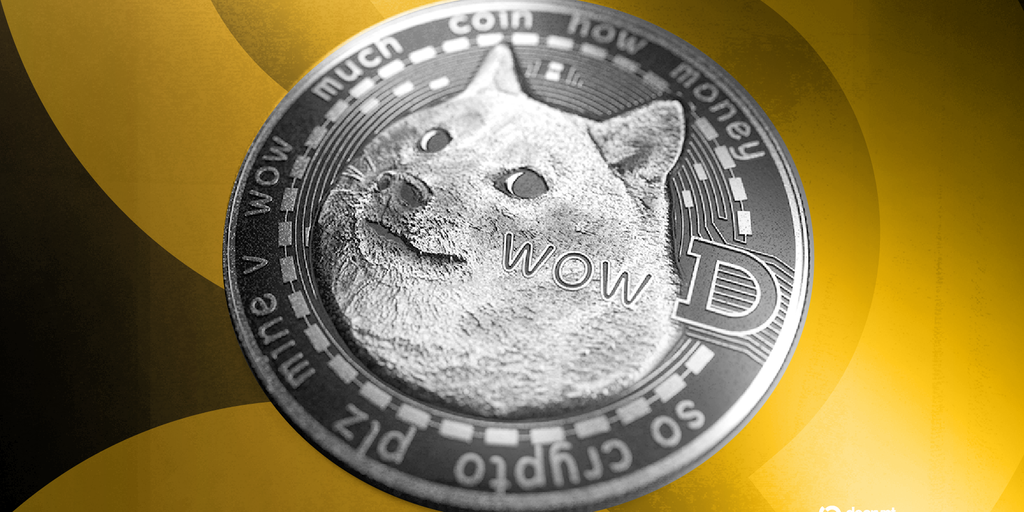
According to the U.S. Attorney’s Office for the Southern District of New York, Rinsch quickly transferred the $11 million into personal brokerage and crypto accounts, where he made high‑risk bets on stock options and later on digital assets. After losing roughly half of the funds in options trading, he moved the remainder into cryptocurrencies, at one point turning the balance into tens of millions of dollars before withdrawing the gains into personal bank accounts. Prosecutors detailed how, instead of reinvesting in production, he allegedly spent the money on luxury cars (including at least five Rolls‑Royces and a Ferrari), a $387,000 Swiss watch, more than $3 million on furniture, antiques, and high‑end mattresses and bedding (including individual mattresses costing hundreds of thousands of dollars), and about $1.7–1.8 million to pay off credit card bills. The “White Horse” series was never completed or delivered to Netflix.
The case highlights how large content advances in the streaming era can be misused and how speculative trading in cryptocurrency and other high‑risk assets is increasingly appearing in white‑collar crime prosecutions. Netflix is seeking at least $11 million in restitution through the criminal case and has also pursued additional legal fees in related civil proceedings. Rinsch’s conviction has drawn wider attention in Hollywood not only because of his past work on “47 Ronin” but also because actor Keanu Reeves submitted a letter to the court asking for leniency at sentencing, underscoring the contrast between industry support for the director and the severity of the fraud as described by prosecutors.
"entities":["Carl Erik Rinsch","Netflix","Streaming Company-1","White Horse","Conquest","47 Ronin","U.S. Attorney’s Office for the Southern District of New York","Jay Clayton","Keanu Reeves","Rolls-Royce","Ferrari","Dogecoin (and other cryptocurrencies)"]}`
✨ AI-generated background, compiled from web sources — not editorial content.