Address poisoning attacks exploit look-alike wallet addresses to trick users into misdirected transfers. Staying safe requires careful address verification, avoiding transaction-history copying, and using tools like whitelists, ENS, and hardware wallets.

Address poisoning attacks exploit look-alike wallet addresses to trick users into misdirected transfers. Staying safe requires careful address verification, avoiding transaction-history copying, and using tools like whitelists, ENS, and hardware wallets.
𝕏/@officer_secret
Revision history

11 recorded changes

Want your article here?

Promote with Leviathan News
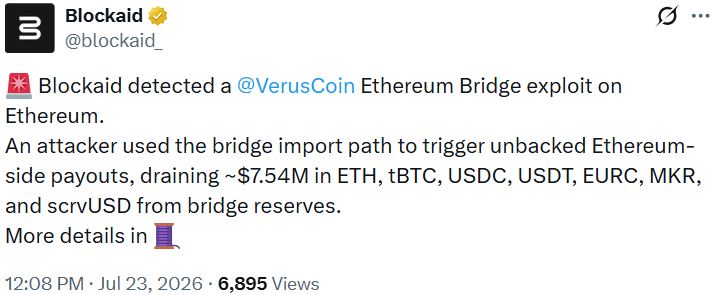
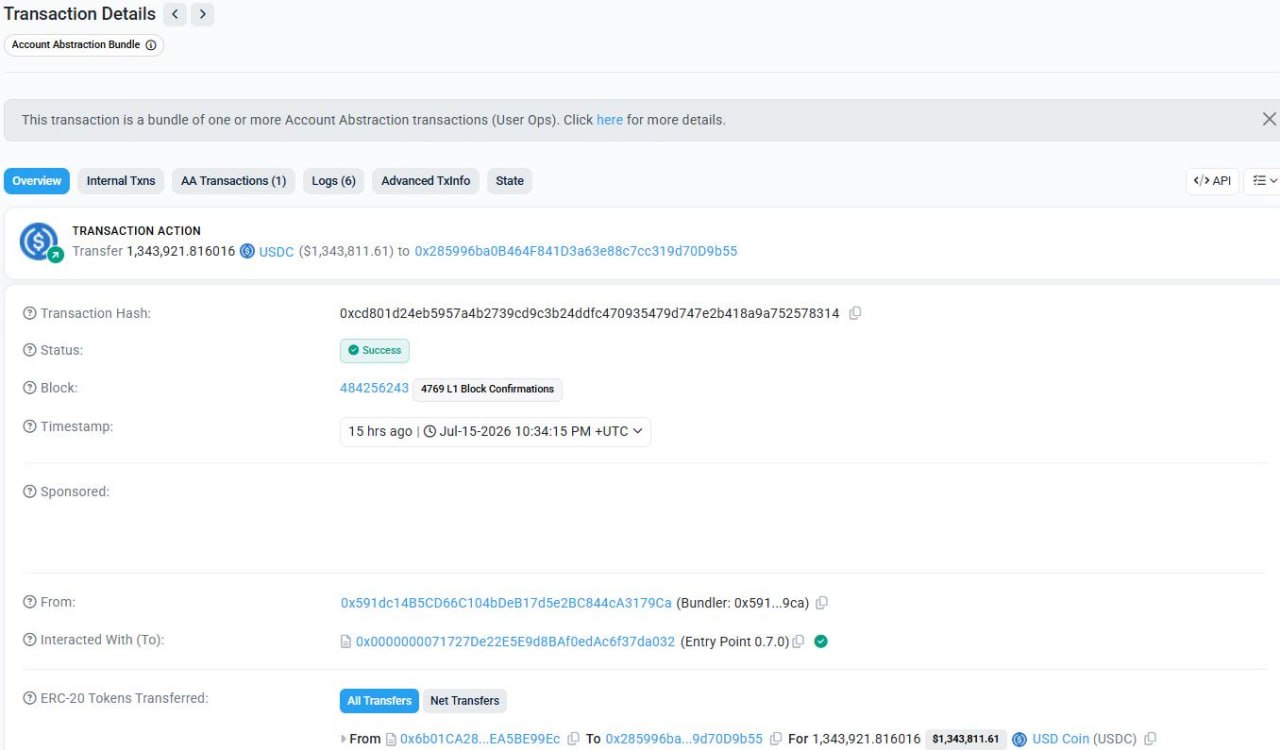
Address poisoning is a crypto scam in which attackers create look-alike wallet addresses and send tiny transactions to a victim so the fake address appears in the victim’s history, increasing the chance it gets copied in a later transfer. Security research and wallet providers describe the same basic pattern: attackers study a target’s common counterparties, generate vanity addresses that match the first and last characters of a real address, and then “poison” transaction history with negligible-value transfers. The story matters because the attack exploits a common user workflow rather than a protocol flaw: people often copy addresses from recent transactions, and blockchain transfers are irreversible once sent. Recommended defenses are consistent across sources: verify the full address character-by-character, do not copy from transaction history, use address books/whitelists, confirm addresses on hardware wallets, and consider a small test transaction for large transfers. MetaMask, Trezor, Binance, and Blockaid all frame the risk as a user-experience and operational-security problem that can affect many wallets and tokens, especially when users move funds quickly or rely on partial address matching.

AI-generated background, compiled from web sources — not editorial content.

More coverage

Explore the topic

More on Exploit

Comments