Does DeFi even matter anymore?

𝕏/@blocmates •
Revision history
5 recorded changes
Want your article here?
Promote with Leviathan News5 recorded changes
Want your article here?
Promote with Leviathan NewsBlocmates’ post “Does DeFi even matter anymore?” taps into a broader industry debate about whether decentralized finance still has relevance now that speculative yields have faded and large institutions are rolling out their own on‑chain finance rails. Commentators point to falling “pure DeFi” TVL versus 2021 highs and the rapid rise of permissioned, institution-led systems as reasons some market participants feel that open, permissionless DeFi has lost momentum. At the same time, traditional finance giants such as BlackRock and JPMorgan are increasingly using private or permissioned blockchains and tokenized funds, leading some analysts to argue that Wall Street is effectively building a more controlled “TradFi 2.0” rather than adopting the original, fully open DeFi vision. In parallel, a counter‑narrative is emerging that DeFi has simply entered a quieter, more infrastructure‑driven phase where protocols focus on reliability, risk management, and integration with real‑world assets instead of “fireworks APYs” and yield‑farming hype. According to this view, lending, stablecoin, and liquidity protocols are becoming core financial plumbing—often abstracted away from end users—while regulation (for example, under frameworks like the EU’s MiCA) and better wallet UX push DeFi toward more compliant, user‑friendly, and institutionally compatible models. The question “Does DeFi even matter anymore?” is therefore less about raw TVL or hype cycles and more about whether the future of on‑chain finance will remain credibly decentralized and permissionless, or converge toward regulated, semi‑centralized infrastructure dominated by large institutions.
AI-generated background, compiled from web sources — not editorial content.
Loading related coverage…
🚀 Love DeFi? Ready to dive in and start earning $SQUID while making an impact?
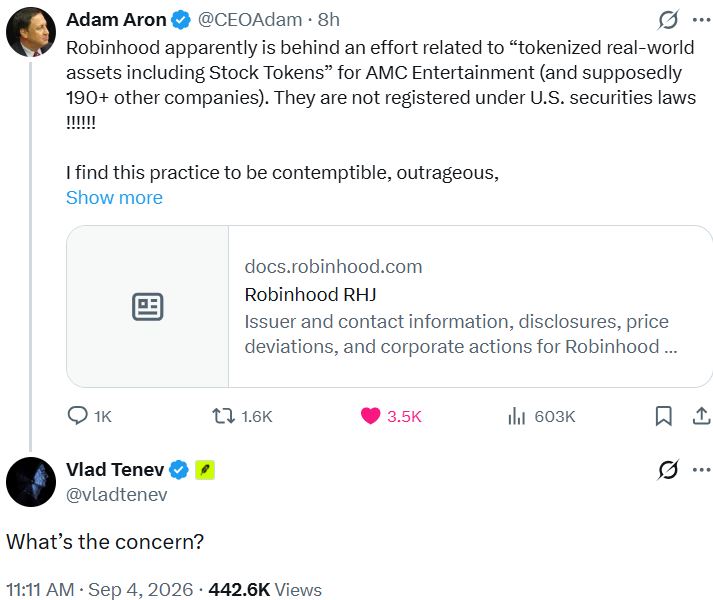
𝕏/@CEOAdam ·
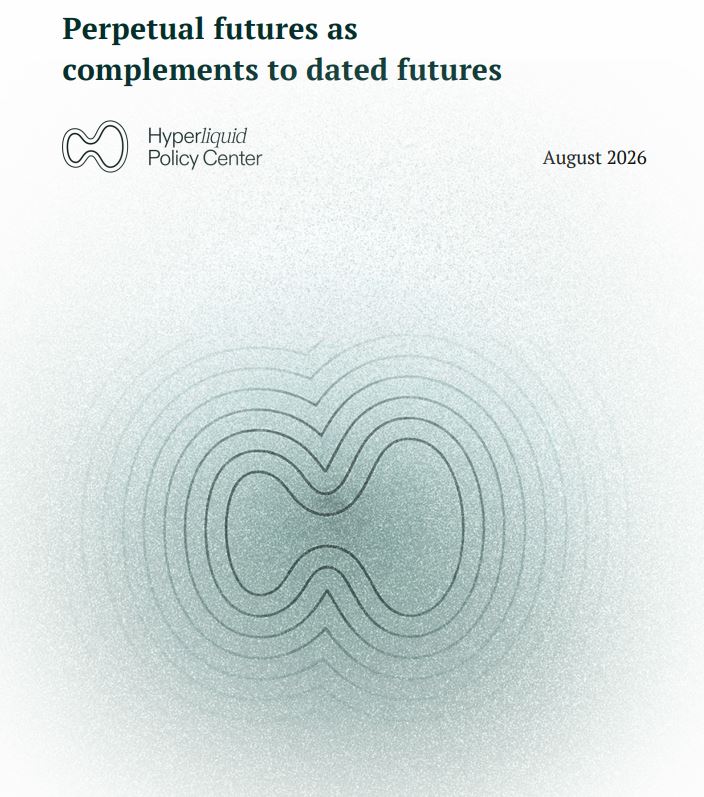
𝕏/@HyperliquidPC ·

Youtube ·

archive.ph ·

𝕏/@simonthekid_ ·
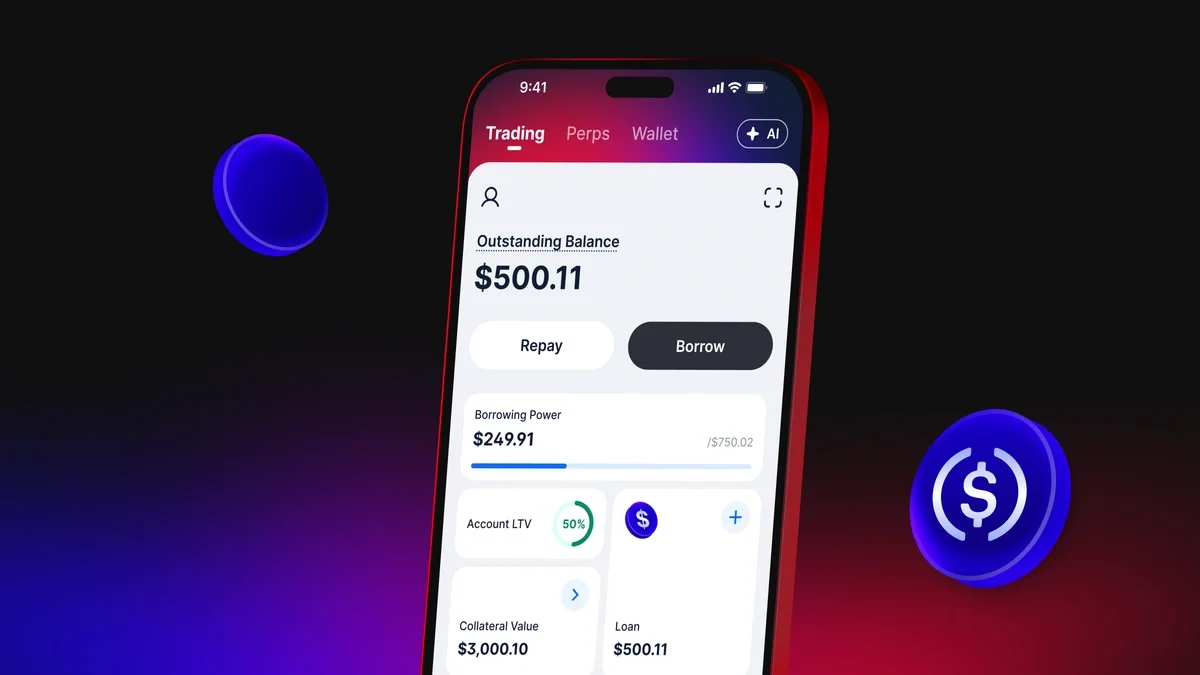
Blockchain ·
𝕏/@CEOAdam ·
𝕏/@HyperliquidPC ·
Youtube ·
archive.ph ·
𝕏/@simonthekid_ ·
Blockchain ·