The “Trustless Force” segment is a panel discussion featuring representatives from Liquity, f(x) Protocol, and Curve Finance that explores how fully on‑chain, non‑custodial designs can provide alternatives to centralized stablecoins and support diversification across different decentralized dollar models. It focuses on the design choices behind their respective stablecoins (LUSD, fxUSD, and crvUSD), how they manage collateral, peg stability, and liquidations, and why these mechanisms matter for building a more resilient stablecoin and DeFi infrastructure.
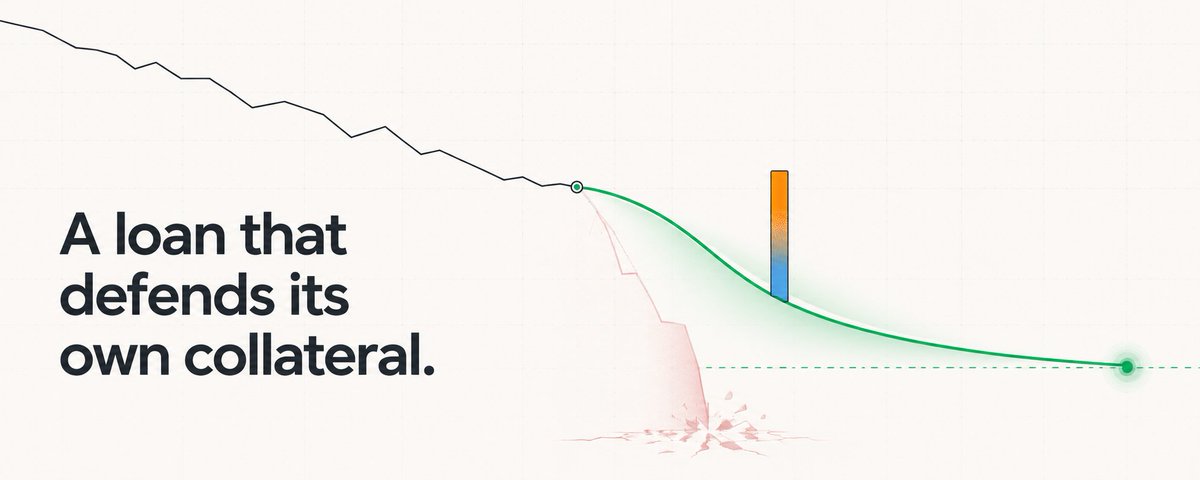
The context for this discussion is the growing concern in DeFi that the largest stablecoins (such as USDT and USDC) rely on traditional financial intermediaries and are exposed to regulatory or banking‑system risk, as highlighted by events like banking stress episodes and the Terra/UST collapse, which have pushed many protocols toward more centralized, custodial stablecoins. In response, projects such as Liquity and f(x) Protocol are building over‑collateralized, crypto‑backed stablecoins that operate via smart contracts and collateralized debt positions (CDPs), keeping issuance and risk management on‑chain. f(x) Protocol, for example, issues fxUSD, a decentralized stablecoin backed by leveraged positions in BTC and ETH, with a stability pool (fxSAVE) that automatically arbitrages its Curve pool against USDC to defend its peg and distributes protocol fees to liquidity providers. Curve Finance, originally a specialized automated market maker for stablecoin swaps, has also expanded to offer its own over‑collateralized stablecoin crvUSD and lending tools with a soft, band‑style liquidation mechanism (LLAMMA), positioning Curve as a “full stack” on‑chain market and stablecoin infrastructure provider.
The panel’s framing as the “Trustless Force” underlines a shared emphasis on trust-minimized, smart‑contract‑governed systems rather than reliance on centralized issuers or custodians. By presenting LUSD, fxUSD, and crvUSD side by side, the discussion highlights different design trade‑offs in collateral composition, liquidation mechanics (hard liquidations vs gradual zones), incentive structures, and integration with major DeFi primitives like Curve’s stablecoin liquidity pools. This matters because stablecoin design directly affects systemic risk in DeFi: the deeper and more resilient the liquidity for decentralized stablecoins, the less the ecosystem depends on a small set of centralized dollars, and the more options protocols and users have for hedging, payments, and leveraged strategies without introducing new single points of failure.
"entities":["Liquity","LUSD","f(x) Protocol","fxUSD","fxSAVE","Curve Finance","Curve DAO","crvUSD","LLAMMA","Michael Svoboda","Cyrille Briere","Martin Krung"]}
✨ AI-generated background, compiled from web sources — not editorial content.