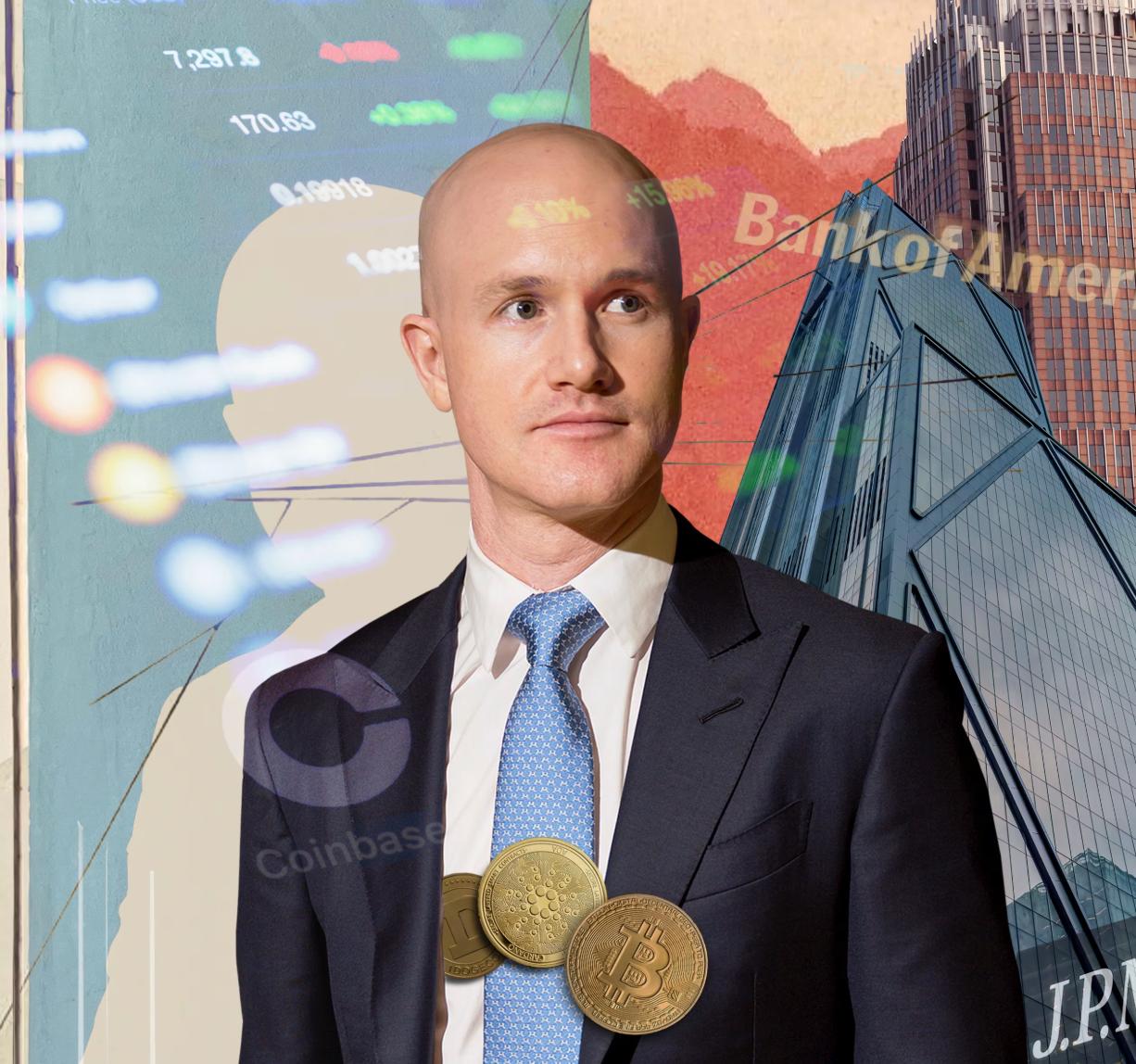
Delaware judge lets shareholder insider-trading suit proceed against Coinbase directors including Marc Andreessen and Brian Armstrong, rejecting a special litigation committee’s dismissal bid over concerns about a member’s independence despite a 10‑month internal probe clearing the board of allegedly unloading $2.9 billion in overvalued stock before the 2021 direct listing. (
Delaware judge lets shareholder insider-trading suit proceed against Coinbase directors including Marc Andreessen and Brian Armstrong, rejecting a special litigation committee’s dismissal bid over concerns about a member’s independence despite a 10‑month internal probe clearing the board of allegedly unloading $2.9 billion in overvalued stock before the 2021 direct listing. (
news.bloomberglaw
Revision history

2 recorded changes

Want your article here?

Promote with Leviathan News


A Delaware Chancery Court judge has allowed a shareholder insider‑trading lawsuit against Coinbase Global Inc. directors and officers—including CEO Brian Armstrong and board member Marc Andreessen—to proceed, despite Coinbase’s attempt to end the case based on the findings of a special litigation committee (SLC) that had recommended dismissal after a roughly 10‑month internal investigation. The derivative suit, brought in 2023 by shareholder Adam Grabski, alleges that nine insiders collectively sold about $2.9 billion of Coinbase stock in connection with the company’s April 2021 direct listing while in possession of material non‑public information about weakening business conditions, thereby avoiding an estimated $1.09 billion in losses when the stock later fell following disappointing earnings and a notes offering. According to the complaint and the court’s opinion, the alleged insider sales include approximately $291.8 million sold by Armstrong and about $118.7 million sold by Andreessen (through Andreessen Horowitz), as well as sales by other directors and senior executives. The Coinbase board responded to the 2023 derivative demand by forming an SLC, which conducted an internal probe and concluded the directors and officers had not engaged in actionable insider trading and that the company should not pursue the claims. Vice Chancellor Kathaleen St. J. McCormick, however, declined to grant dismissal, finding that questions about the independence of at least one SLC member were substantial enough that the court could not, at this stage, simply defer to the committee’s decision. The ruling does not decide the merits of the insider‑trading allegations but keeps them alive for further litigation, preserving a potentially significant test of Delaware fiduciary‑duty law as applied to high‑profile tech and crypto listings and to the use of SLCs to shut down shareholder suits.

AI-generated background, compiled from web sources — not editorial content.

More coverage

Explore the topic

More on Brian Armstrong

Comments