Solana's Transaction v1 upgrade triples transaction size to 4,096 bytes, easing limits for complex trades but requiring wallet and app updates

Coindesk •
Revision history
7 recorded changes
Want your article here?
Promote with Leviathan News7 recorded changes
Want your article here?
Promote with Leviathan NewsThe main burden falls on software reading Solana: block- and transaction-fetching services must recognize v1 or requests can fail. Priority-fee data moves to a new location, so outdated software may display a zero fee even when one was paid, propagating bad data to wallets, explorers, and trading apps. Larger transactions use more bandwidth, and developers expect higher priority fees as they compete for space, though no per-byte fee is added. The old 1,232-byte cap stemmed from a roughly 1,280-byte packet design, dropped after 2022; 4,096 bytes matches validator memory-page size, keeping processing costs down.
AI summary of the linked source — not editorial content.
Loading related coverage…
Loading comments…
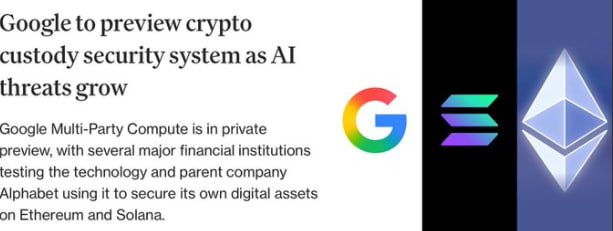
Coindesk ·

𝕏/@solflare ·
Coindesk ·
𝕏/@BloomTrading ·

𝕏/@solana ·
𝕏/@BloomTrading ·
Coindesk ·
𝕏/@solflare ·
Coindesk ·
𝕏/@BloomTrading ·
𝕏/@solana ·
𝕏/@BloomTrading ·
🚀 Love DeFi? Ready to dive in and start earning $SQUID while making an impact?
Restoring your session before loading comments…