Proposal to Recompensate Users Affected by Curve.fi DNS Hijack
gov.curve.finance •
Revision history
4 recorded changes
Want your article here?
Promote with Leviathan News4 recorded changes
Want your article here?
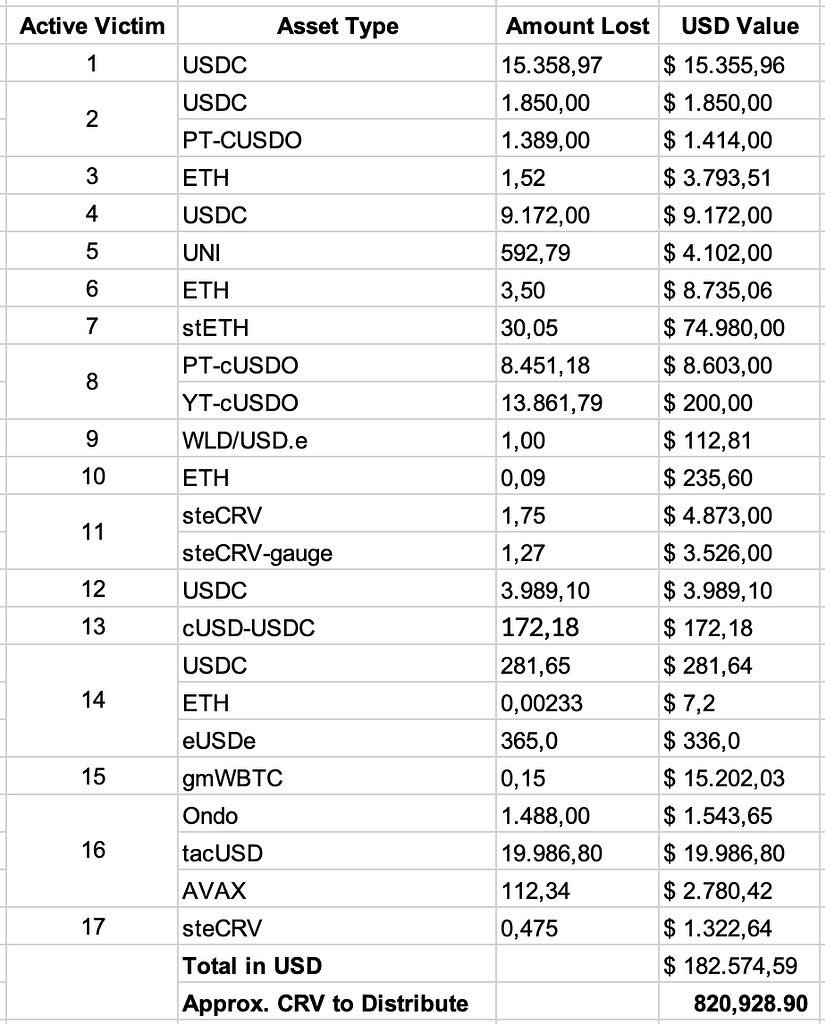
Promote with Leviathan NewsCurve Finance governance is considering a proposal to set up a formal process to compensate small users who lost funds in the May 12, 2025 DNS hijack of the curve.fi domain, a front-end attack that redirected visitors to a malicious clone site and tricked them into signing transactions that drained their wallets. The proposal does not itself guarantee payouts but asks the DAO to approve a framework, third‑party coordinator, and funding source (in CRV tokens) for verifying victims’ claims and organizing potential reimbursements from the treasury. On May 12, 2025, attackers compromised Curve’s DNS records for curve.fi, sending users to a counterfeit interface that injected malicious scripts to obtain token approvals and move assets to attacker-controlled addresses, while Curve’s smart contracts and core protocol remained intact. Curve subsequently migrated its official front end to curve.finance, warned users not to interact with the old domain, and began working with security partners and its registrar to secure its web infrastructure. Internal assessments later indicated roughly 21 wallets were affected, with one “substantial victim” and around 20 smaller users collectively losing an estimated ~$300,000 at then-current prices, of which 17 victims have actively organized and documented roughly $182,575 in losses across USDC, ETH, and other tokens. The governance proposal focuses on these smaller victims and aims to balance user protection, legal recovery, and DAO financial prudence. It suggests appointing Swiss Stake AG as a coordination entity (subject to DAO approval) to perform KYC and wallet-ownership checks, verify that losses stemmed specifically from the May 12 DNS hijack, compile a public registry of verified claims, and coordinate reimbursement logistics. Approved recompensation would be paid in unlocked CRV from the DAO treasury (or another governance-designated pool), valuing each claim in USD at the time of the incident and translating that value to CRV at the time of payout to manage token price volatility. In exchange, victims would assign their recovery and restitution rights to the substantial victim, enabling consolidated legal action and reducing the risk of double recovery.
AI-generated background, compiled from web sources — not editorial content.
𝕏/@gnosischain ·

𝕏/@centrifuge ·

𝕏/@HyperliquidPC ·
𝕏/@Bankless ·
𝕏/@ConvexFinance ·
Coindesk ·
𝕏/@gnosischain ·
𝕏/@centrifuge ·
𝕏/@HyperliquidPC ·
𝕏/@Bankless ·
𝕏/@ConvexFinance ·
Coindesk ·
🚀 Love DeFi? Ready to dive in and start earning $SQUID while making an impact?