ORA is bringing onchain AI oracles to Ethereum

Blockworks •
Revision history
2 recorded changes
Want your article here?
Promote with Leviathan News2 recorded changes
Want your article here?
Promote with Leviathan NewsORA, a verifiable oracle protocol focused on “trustless AI” for Ethereum, has launched its Onchain AI Oracle (OAO) on the Ethereum mainnet, enabling smart contracts to call and verify machine learning models directly on-chain. The system is powered by optimistic machine learning (opML), which uses a challenge-based “verification game” similar to optimistic rollups to make AI inference results verifiable and fraud-resistant on Ethereum. Blockworks reports that although the first deployment is on Ethereum, ORA plans to extend OAO to additional networks including Optimism, Base, Polygon, and Manta in the coming weeks, positioning the oracle as a multi-chain AI infrastructure layer. Through OAO, developers can already access models such as Grok (a generative AI chatbot), Stable Diffusion (text-to-image), and Llama 2 (open-source LLM) directly from smart contracts, meaning on-chain applications can request natural language, image generation, or other AI outputs without relying on centralized off-chain services. According to ORA’s technical documentation and open-source implementation, the architecture relies on an opML node to perform AI inference off-chain, submit results on-chain, and then allow a time-limited challenge period during which validators can dispute incorrect outputs before they are finalized and dispatched back to user contracts. This launch sits at the intersection of oracles and AI, extending the traditional role of oracles beyond price feeds and real-world data into verifiable AI computation. ORA positions OAO as a way to break smart contracts’ deterministic limitations by offering on-chain, provable access to complex AI models, which could underpin use cases such as fully on-chain games, AI-driven DeFi strategies, autonomous agents, and privacy-preserving or zero-knowledge machine learning systems. The move also contributes to a broader industry trend where oracle and infrastructure projects are exploring how to safely integrate AI systems with blockchains, emphasizing verifiability and decentralization as key differentiators from conventional cloud-based AI services. "entities":["ORA","Onchain AI Oracle (OAO)","optimistic machine learning (opML)","Ethereum","Optimism","Base","Polygon","Manta","Grok","Stable Diffusion","Llama 2","ORA Protocol","Ethereum Foundation","Compound","Uniswap"]}'}Note: The above JSON is correctly structured for the response` format. If you would like, I can reformat or expand any section.
AI-generated background, compiled from web sources — not editorial content.

𝕏/@Formachain ·
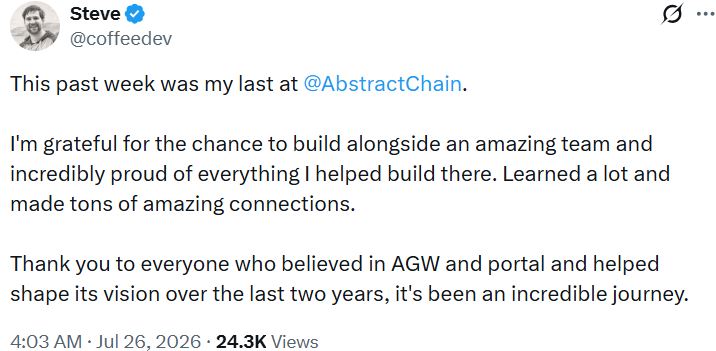
𝕏/@coffeedev ·
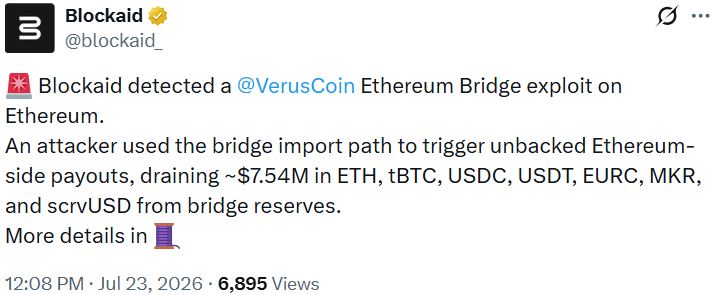
𝕏/@blockaid_ ·
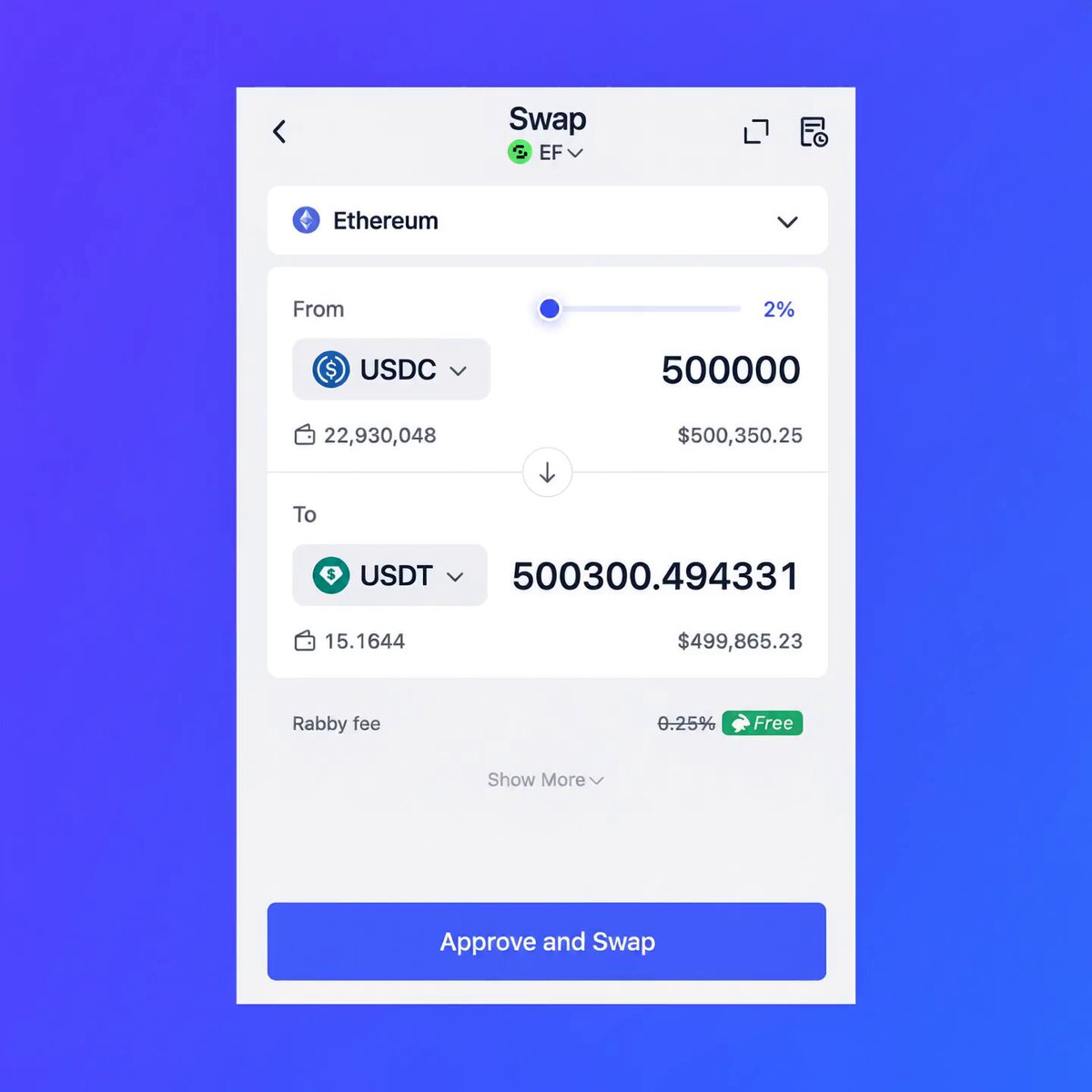
𝕏/@Rabby_io ·
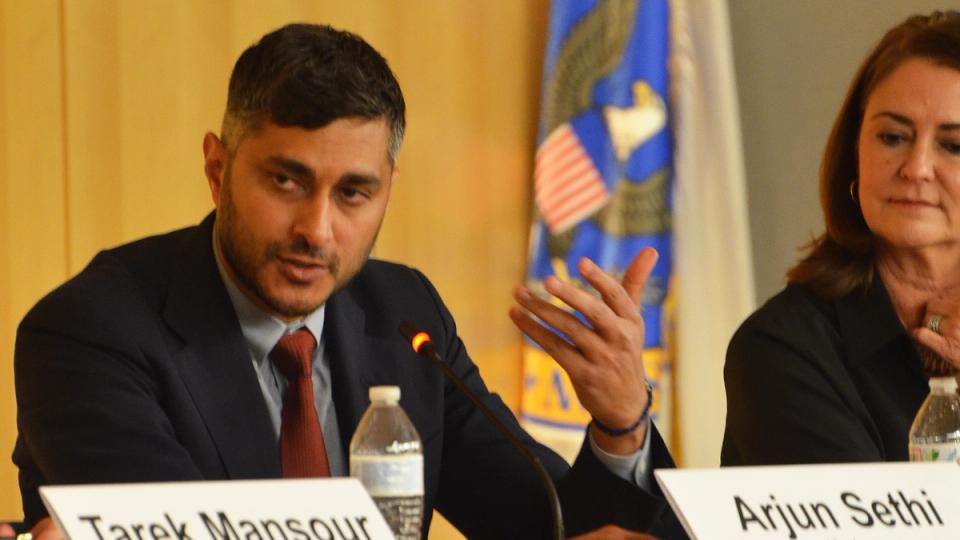
Coindesk ·
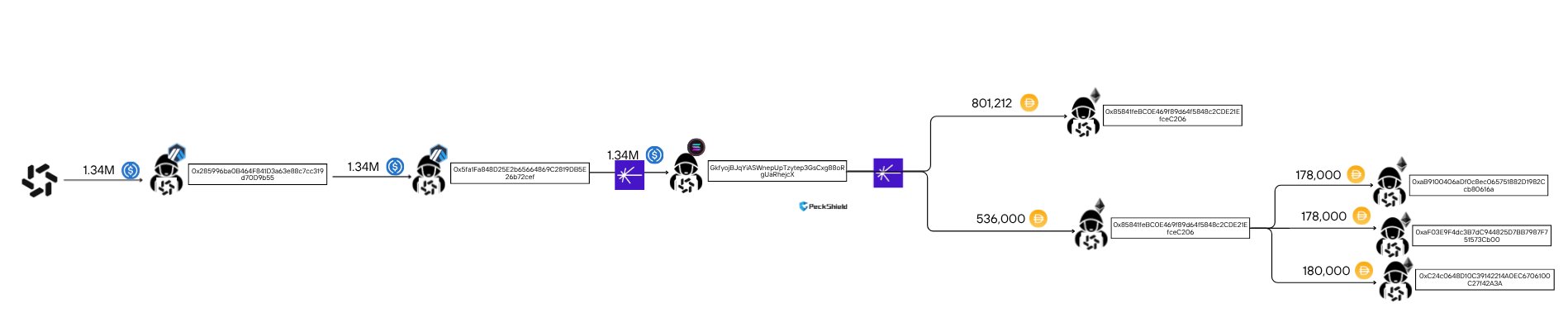
𝕏/@PeckShieldAlert ·
𝕏/@Formachain ·
𝕏/@coffeedev ·
𝕏/@blockaid_ ·
𝕏/@Rabby_io ·
Coindesk ·
𝕏/@PeckShieldAlert ·
🚀 Love DeFi? Ready to dive in and start earning $SQUID while making an impact?