Jump Crypto would often ask for over 5% of token supplies in exchange for market making a token, according to sources

Fortune •
Revision history
6 recorded changes
Want your article here?
Promote with Leviathan News6 recorded changes
Want your article here?
Promote with Leviathan NewsFortune reports that Jump Crypto, the digital asset arm of trading firm Jump Trading, routinely negotiated for more than 5% of a project’s total token supply in exchange for providing market-making services for new crypto tokens, according to multiple people familiar with the firm’s practices. These arrangements were typically structured so Jump would receive large tranches of tokens at a steep discount or via long vesting schedules, in return for supplying liquidity, tightening spreads, and supporting trading on centralized and decentralized exchanges. Sources told Fortune that this approach was common across a range of Jump Crypto deals during the peak of the bull market, when projects were eager to secure deep liquidity and the endorsement of a top-tier trading firm. The article situates these claims within a broader examination of Jump Crypto’s role in the digital asset ecosystem, including its high-profile involvement in the Terra ecosystem and the subsequent collapse of TerraUSD (UST). It notes that Jump’s combination of market-making, proprietary trading, and strategic token allocations left the firm with substantial exposure to some of the sector’s biggest blowups, while also raising questions about conflicts of interest and the concentration of token ownership among a small set of trading firms. For token projects, the reported 5%+ allocations underscore the cost of securing professional liquidity provision; for regulators and market participants, they highlight how large, opaque side deals between issuers and market makers can shape price discovery, token distribution, and perceived decentralization. The story also comes amid leadership changes and legal scrutiny around Jump’s crypto operations, including the departure of Jump Crypto president Kanav Kariya and regulatory actions related to Terra and other activities, which have prompted closer attention to how major market makers structure their token deals. In that context, the reported practice of requesting sizable token allocations is presented as part of a wider pattern in which leading trading firms wield outsized influence over early token markets, often operating through private contracts that are only partially visible to outside investors and users.
AI-generated background, compiled from web sources — not editorial content.
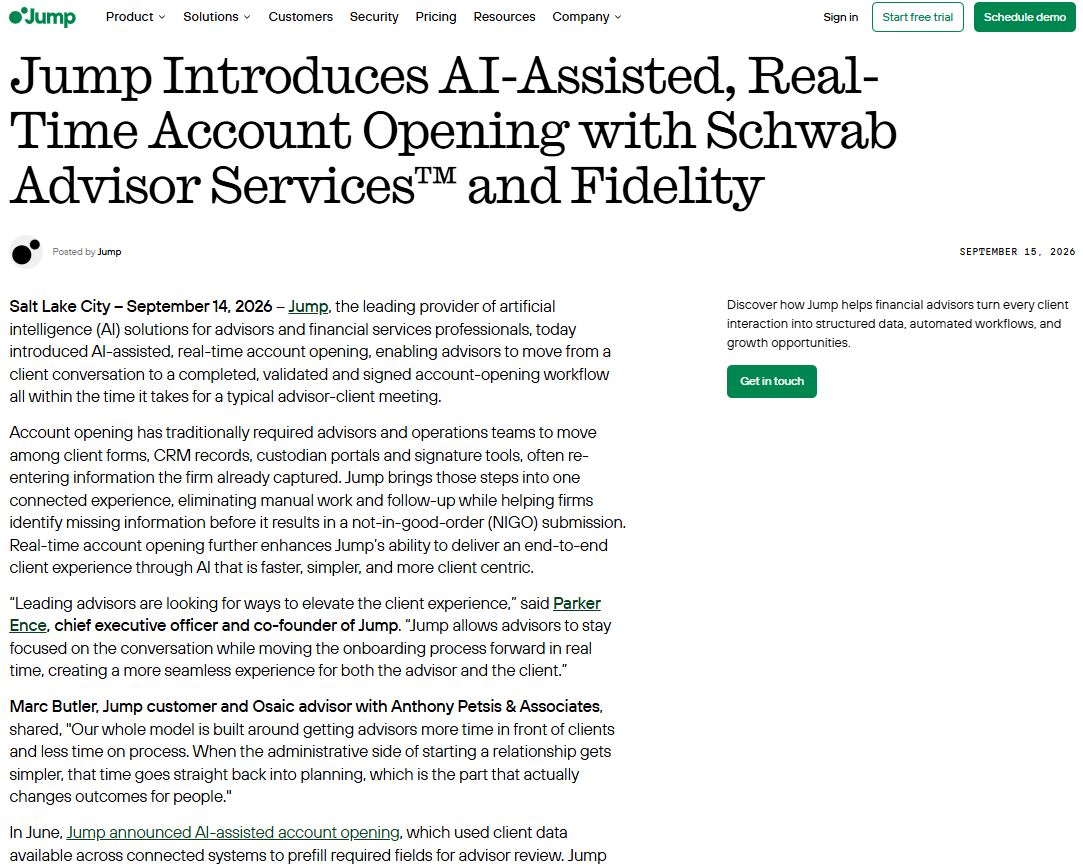
jump.ai ·

𝕏/@yrschrade ·

Coindesk ·

𝕏/@Securitize ·

DL News ·
archive.ph ·
jump.ai ·
𝕏/@yrschrade ·
Coindesk ·
𝕏/@Securitize ·
DL News ·
archive.ph ·
🚀 Love DeFi? Ready to dive in and start earning $SQUID while making an impact?