OP Foundation gave Kraken 25 million OP tokens to choose the superchain for its recently announced L2

Coindesk •
Revision history
8 recorded changes
Want your article here?
Promote with Leviathan News8 recorded changes
Want your article here?
Promote with Leviathan NewsThe Optimism Foundation has struck a major incentive deal with US crypto exchange Kraken, agreeing to provide 25 million OP tokens to secure Kraken’s new Layer 2 network, Ink, as part of the Optimism Superchain and built on the OP Stack. Coindesk reporting cited in industry summaries indicates the agreement was made earlier in 2024, with the tokens worth about $100 million at signing and roughly $42–43 million at the time of the public disclosure in late October, depending on OP’s market price. Under the deal, Kraken will use Optimism’s modular OP Stack to build a custom L2, integrating Ink into the Superchain alongside other OP Stack–based chains like Base, Unichain (Uniswap), and Sony’s Soneium. The grant is structured as a performance-based incentive rather than an upfront subsidy: according to Optimism’s growth lead Ryan Wyatt, 5 million OP is earmarked to support Kraken’s protocol engineering work on OP Stack, while the remaining 20 million OP is tied to “massive transaction milestones,” meaning Kraken unlocks more tokens only as Ink reaches specific activity and fee-generation thresholds that benefit the Optimism Collective. Reporting notes that the OP will vest or unlock over time in batches, rather than all at once. Strategically, this positions Kraken as another large, brand‑name participant committing to Optimism’s Superchain vision at a time when competition among Ethereum L2 stacks—particularly Optimism, Arbitrum Orbit, ZK Stack, and in‑house frameworks by exchanges—is intensifying. By incentivizing a major exchange to standardize on the OP Stack, the Optimism Foundation aims to deepen network effects, drive transaction and fee flow back to OP-aligned infrastructure, and counterbalance setbacks such as Coinbase’s later decision to move Base toward its own in‑house code and end revenue sharing with the Optimism Collective. For Kraken, the deal subsidizes engineering and provides token incentives to help bootstrap usage of Ink, which is intended to bridge its centralized user base into DeFi while remaining within Ethereum’s security model.
AI-generated background, compiled from web sources — not editorial content.
𝕏/@Kinetiq_xyz ·
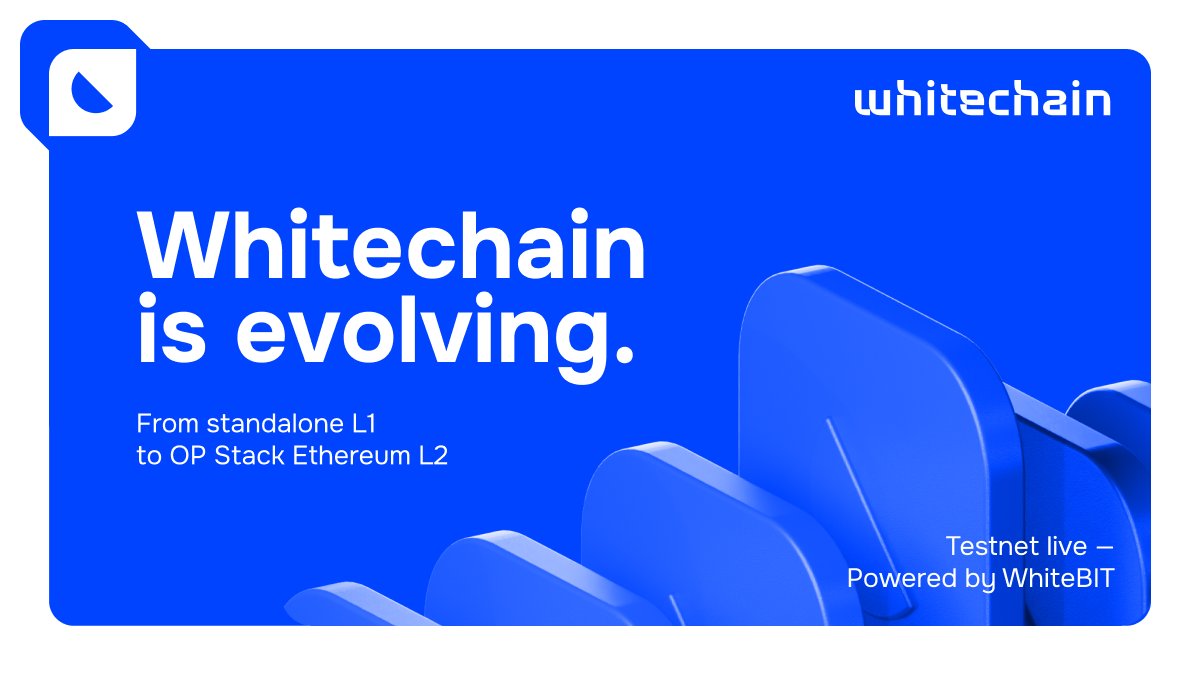
𝕏/@Whitechain_io ·

𝕏/@Metal_L2 ·

𝕏/@ryanberckmans ·
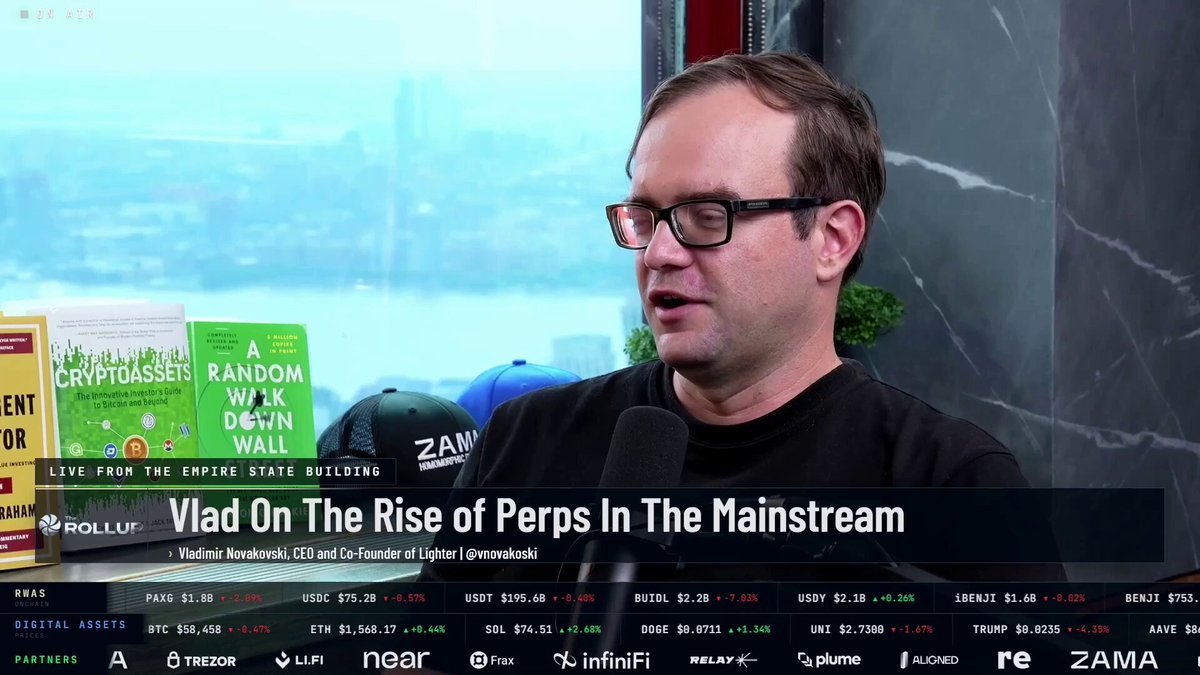
𝕏/@Etherealize_io ·

𝕏/@Sophon ·
𝕏/@Kinetiq_xyz ·
𝕏/@Whitechain_io ·
𝕏/@Metal_L2 ·
𝕏/@ryanberckmans ·
𝕏/@Etherealize_io ·
𝕏/@Sophon ·
🚀 Love DeFi? Ready to dive in and start earning $SQUID while making an impact?